Learning how to audition for acting means mastering three separate skills: picking material that shows your range in under two minutes, taping yourself cleanly at home, and walking into a callback as a collaborator rather than a contestant. Most actors fail not because they cannot act, but because they treat the audition as a performance instead of a conversation. Fix that, and the room changes.
The stakes are real. An audition is usually the only thing a casting team sees before deciding whether you exist. That is why the mechanics matter as much as the talent — and why the process deserves the same seriousness performers give to choreography or script analysis.
What Should Your Audition Monologue Actually Do?
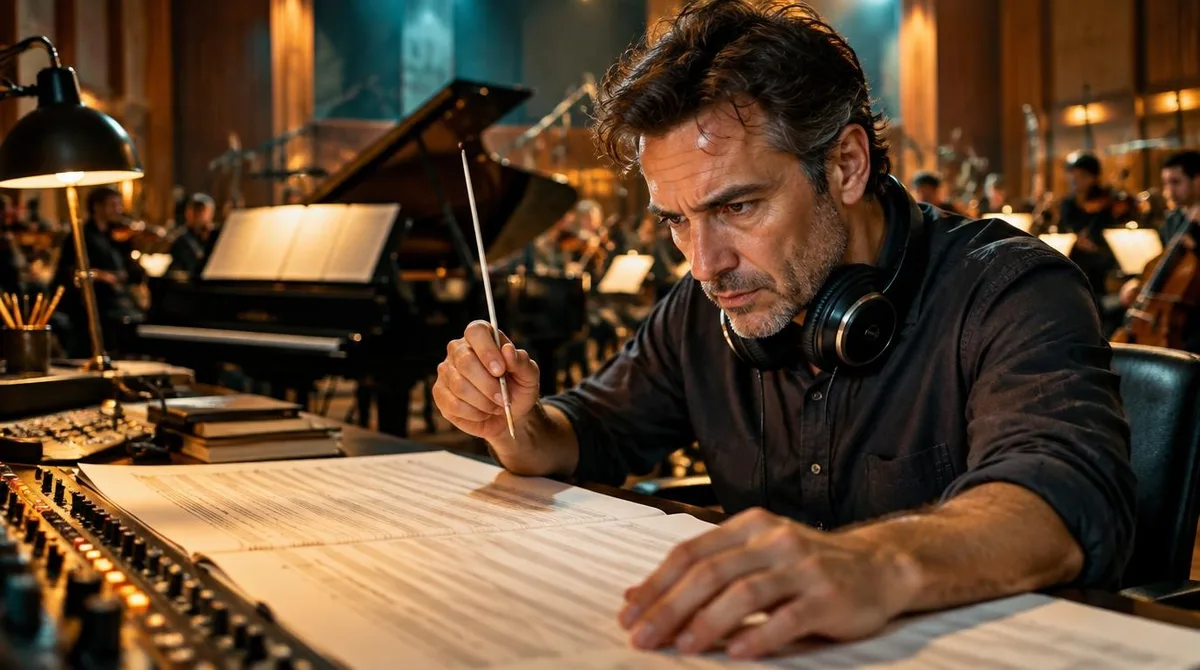
A monologue has one job: make a casting director want to see more of you. It is a trailer, not the film. Pick a piece that sits inside your casting — the age, energy and type a decision-maker would already believe — and then push one step past it. A piece that requires you to play twenty years older or a different profession entirely asks the panel to imagine too much.
Length matters more than most beginners think. Casting teams see many people in a session, and attention runs short. A tight 60-to-90-second piece, fully inhabited, beats a sprawling four-minute speech every time. Cut to the emotional turn of the scene. Enter late, leave early.
Avoid the obvious traps. Do not choose a piece from the project you are auditioning for. Do not pick something so famous that the panel hears the original performance in their head while you speak. And do not choose material that exists only to show off crying, screaming or an accent. Range reads through restraint as much as volume.
Rehearse it until the words are muscle memory, then rehearse it one more way: as if someone just handed it to you that morning. Panels often redirect actors with a quick adjustment. The actor who can take a note and genuinely change — not just nod and repeat — is the one who gets remembered.
How Do You Make a Self-Tape That Gets Watched?
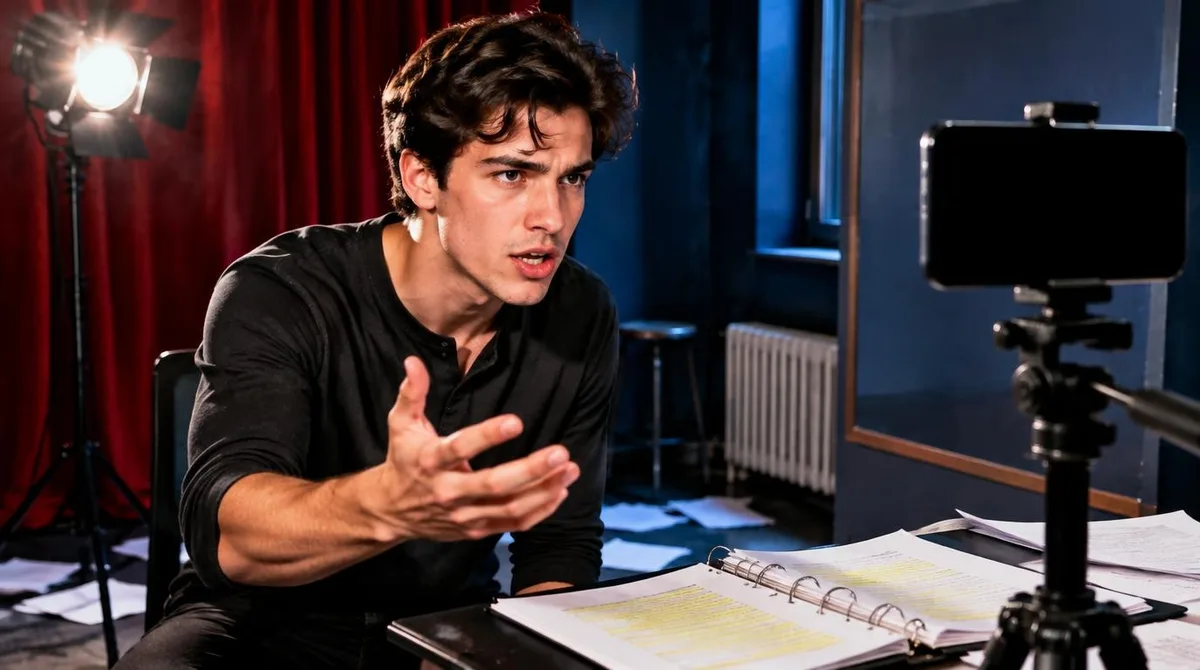
Self-tapes are now the default first round for most screen work, so the technical bar is low but non-negotiable. You need a plain background, even light on your face, and clear sound. A phone camera is fine. What is not fine is audio that hums, a window behind you that turns you into a silhouette, or a reader who mumbles off-camera.
Framing is simple: chest up, eyes just above or level with the lens, reader positioned close to the camera so your eyeline reads naturally. Slate at the start — name, and anything specifically requested — then get into the scene fast. Panels decide quickly, and the first ten seconds carry disproportionate weight.
Act the scene, not the camera. The tape should look like a piece of a performance, not a recitation aimed at a lens. Watch your own take once for technique — framing, sound, eyeline — and once for honesty. If a take is technically clean but dead, it is the wrong take.
Then stop watching. Endless re-taping is the most common self-tape failure. Do a handful of takes, pick the best, send it. Perfectionism at this stage costs time and confidence, and no panel can see the takes you did not send.
The format itself has become part of the culture of performance. Even pop music now runs its talent searches through structured audition programs: &Audition – The Howling- was a 60-minute HYBE LABELS JAPAN audition program broadcast on Nippon TV from July 2022, in which trainees competed across eight episodes for places in a debut group. Different industry, same principle — the audition is a format with rules, and knowing the rules is half the game.
What Actually Happens in the Room — and What Should You Do?
Walk in, greet people, do the piece. That is the whole ceremony. The panel is not looking for a flawless performance; they are looking for the seed of one. Nerves are expected and mostly invisible — what feels like shaking inside usually reads as energy on camera.
If a reader gives you flat, lifeless line readings, do not match their energy. Stay in the scene and play your objective regardless. A good reader lifts you; a bad reader is just weather. Either way, your job is unchanged.
When direction comes, treat it as a gift. An adjustment means the panel is curious about you. Thank them, reset for a beat, and make a real change — different tactic, not just louder. Actors who argue with notes, or who ask to start over repeatedly, burn goodwill fast.
Do not apologize for your choices, do not explain your interpretation before you begin, and do not linger after the piece. Say thank you, leave. The exit is part of the audition too.
For a deeper look at who sits on the other side of the table, the magazine's guide to what casting directors actually do covers how actors get on their radar long before a session is booked. And for the mechanics of the paperwork — sides, callbacks and the chain of people who sign off — see Casting Sides, Callbacks and the Six People Who Decide Your Fate. This connects to our earlier piece, Casting Sides, Callbacks and the Six People Who Decide Your Fate.
How Do You Handle a Callback Without Overthinking It?
A callback means they liked something. It does not mean they are comparing you against a fixed idea and you fell short of it — it usually means they want to test something specific: chemistry with another actor, a different side of the role, how you take direction. So prepare the same way, but expect change. For related coverage, see Stage Acting Versus Camera Acting: Why the Same Skill Pays Two Different Ways.
Relearn the material fresh rather than cementing one performance. Panels at callback stage often rerun the scene with new adjustments precisely to see if the first reading was a fluke. Flexibility is the test.
Chemistry reads are their own strange event. You may be paired with someone you have never met and asked to fall in love or fight in front of six strangers. Treat your partner as the scene, not as competition. Generosity reads on camera; so does guardedness.
One caution from the darker end of audition history: a casting call is not always what it claims to be. The premise of Takashi Miike's 1999 horror film Audition — in which, as the film's plot summary records, a widower's producer friend stages a fake casting call so the widower can meet women — has kept the phrase "fake auditions" in circulation for decades. The real-world lesson is mundane: verify who is running the session, never pay to audition, and treat requests for personal information or unsuitable material as the red flags they are.
What This Means for Your Preparation Routine
Our analysis of the whole cycle points to one conclusion: the actors who survive auditioning are the ones who systematize it. Build a small kit — two or three rehearsed monologues of contrasting tone, a reliable home taping setup, a shortlist of trusted readers. Then the invitation becomes administration instead of panic.
Practical steps, in order:
- Keep a rotating shortlist of memorized pieces you can perform on a day's notice.
- Set up your taping corner once — background, light, mic — and leave it standing.
- For every audition, research the project and the casting office, but stop short of stalking the creative team's tastes into imitation.
- After each session, write one line about what worked. Patterns appear faster than you expect.
Training helps, though it is not the only door — the cost-and-payback arithmetic of formal programs is covered separately in Drama School Math. What training does give you is reps: hundreds of low-stakes performances of exactly the skill this article describes.
The Takeaway: Auditioning Is a Craft, Not a Lottery
The evidence of how casting works points one way. Panels reward preparation, adjustability and specificity — not luck, and not a mystical "it factor." Every element covered here is learnable: material selection, taping mechanics, room behavior, callback strategy, and the boundary sense that keeps you safe.
What remains unknown, honestly, is the timing. A strong audition still depends on someone needing exactly you, that month, for that part. You cannot control that. You can control showing up prepared enough that when the match happens, the tape is good. That is the whole survival guide: do the controllable work, and let the uncontrollable part stay uncontrollable.