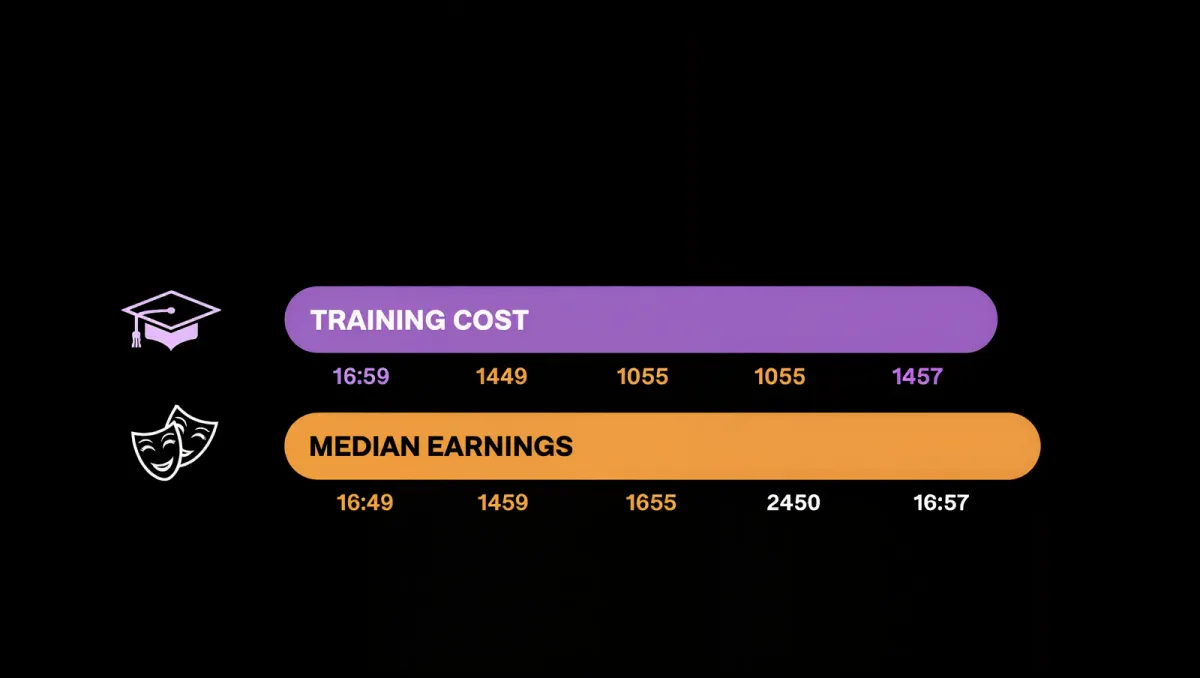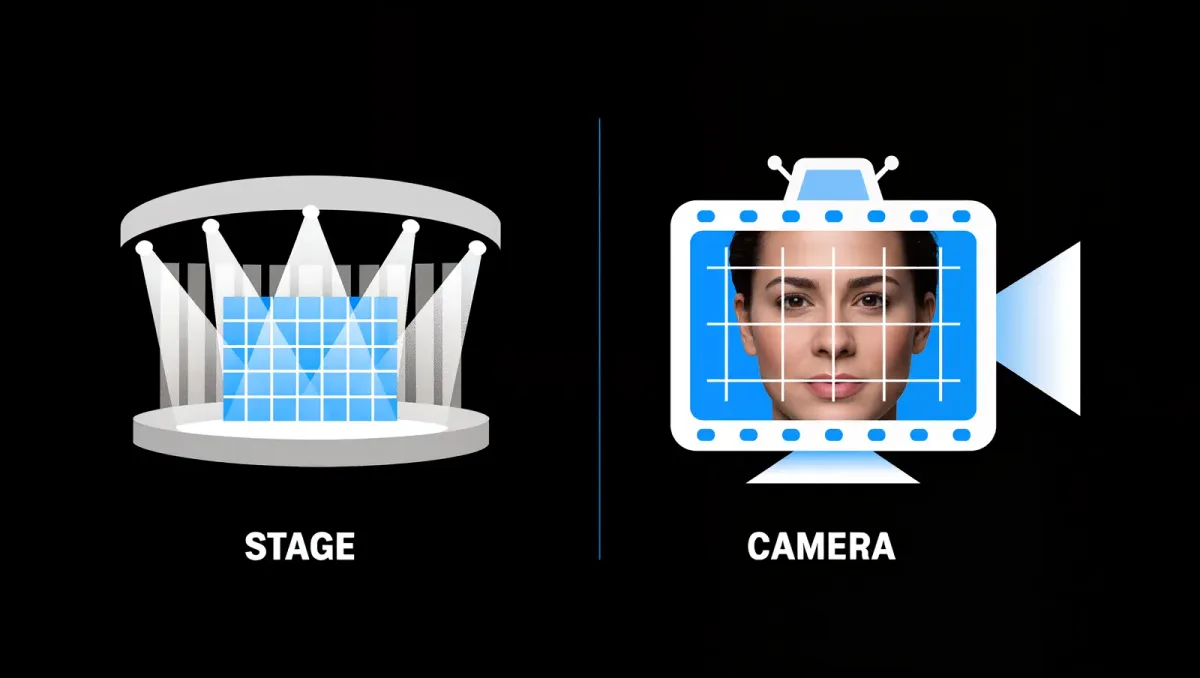
Playing the same role eight shows a week on Broadway and playing it once in front of a camera are two different jobs, and the money follows two different logics: a Broadway performer on an Equity contract earns a negotiated weekly minimum that runs well above two thousand dollars for principal roles, while a SAG-AFTRA day performer earns a scale day rate roughly an order of magnitude lower per day of work. Same discipline, different delivery system. This piece publishes information, not career advice.
What is mechanically different about acting for a camera?
Auditorium acting projects to the back row, so gesture is scaled up and voice is supported. Camera work inverts the physics: a close-up on a cinema or streaming screen magnifies every millimeter of facial movement, so the job is reduction — smaller choices, listening over projecting, and precision in hitting marks so focus and eyelines land where the lens expects them.
Continuity adds a constraint theatre never has. Scenes shoot out of order across days or weeks, so a camera actor maintains an emotional map of a character's arc and can access any point of it on request. Stage actors build arc in repetition: the eighth Tuesday performance of a long run is about keeping a familiar path alive, managing the show's rhythm against a new audience's responses each night.
How do the pay structures compare?
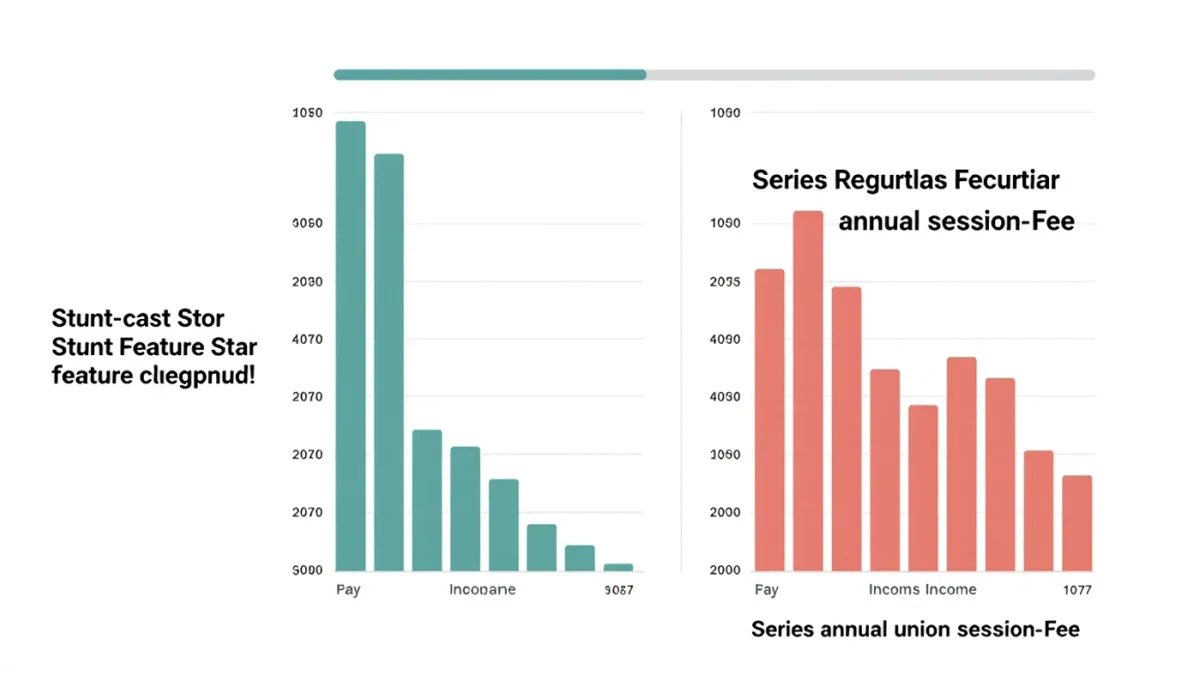
Stage work is a salary model. Actors' Equity Association contracts set weekly minimums that scale with house size and contract tier — from small off-off-Broadway codes to Broadway production contracts — and a run guarantees income for as long as the show plays. Screen work is a per-project model: SAG-AFTRA scale day rates for most roles, session fees plus residual payments when content replays on streaming or broadcast, and negotiated quotes for stars. The residual system means a single syndicated or streamed episode can pay for years, while a closed stage run pays nothing after closing night.
Which craft feeds which market?
Training pipelines overlap but bias differently. Conservatory programs historically emphasized voice and text — Shakespeare, breath support, projection — which maps directly onto stage demands. On-camera technique classes teach frame awareness, subtlety on a 4K close-up and cold-read speed for episodic auditions. Working actors routinely cross-train because the jobs interlock: a Broadway run builds credibility that casting offices read as reliability, while a visible streaming role can raise a stage actor's drawing power at the box office.
Why do producers cast stage actors in film?
Directors with stage backgrounds cite two reasons in trade interviews over the years: stamina and speed. A stage actor delivers a full emotional arc in one continuous take-shaped block, which helps long takes and master shots, and arrives disciplined at hitting beats on schedule. The film industry noticed early — the stage-to-screen pipeline runs through prestige projects that shoot in New York and London, where theatre casts are literally across town.
What does the crossover cost?
Geography and calendars. Theatre contracts concentrate in a handful of cities; screen work chases tax incentives across states and countries, so camera actors live out of temporary housing. Stage actors on an eight-show week cannot audition off-book for a film shoot across the country until their run ends, which is why stage contracts now often include negotiated filming holds for series regulars.
What is next for both markets?
The winter season is mid-cycle on both sides: Broadway is carrying its post-holiday box office through spring, while episodic casting offices staff spring production starts. For actors, the durable advice from both unions' contracts is unchanged: know which minimum governs your deal — Equity week or SAG-AFTRA day — because the two markets reward the same instrument with two entirely different payout curves.
How does preparation differ week to week?
A stage week is rhythmic: rehearsal during the day for understudies, a performance pattern of evenings plus matinees, and a warm-up discipline that protects the voice across eight shows. A screen schedule is chaotic by comparison: call times that shift daily, scenes shot out of sequence, and weeks of waiting punctuated by twelve-hour days. Actors describe the adjustment as metabolic as much as artistic — the stage builds endurance in performance, the screen demands endurance in waiting and instant access on cue. Touring productions add a third rhythm, with load-ins and travel layered onto the eight-show week, and screen actors on location shoots describe the reverse: stability of place, instability of schedule.