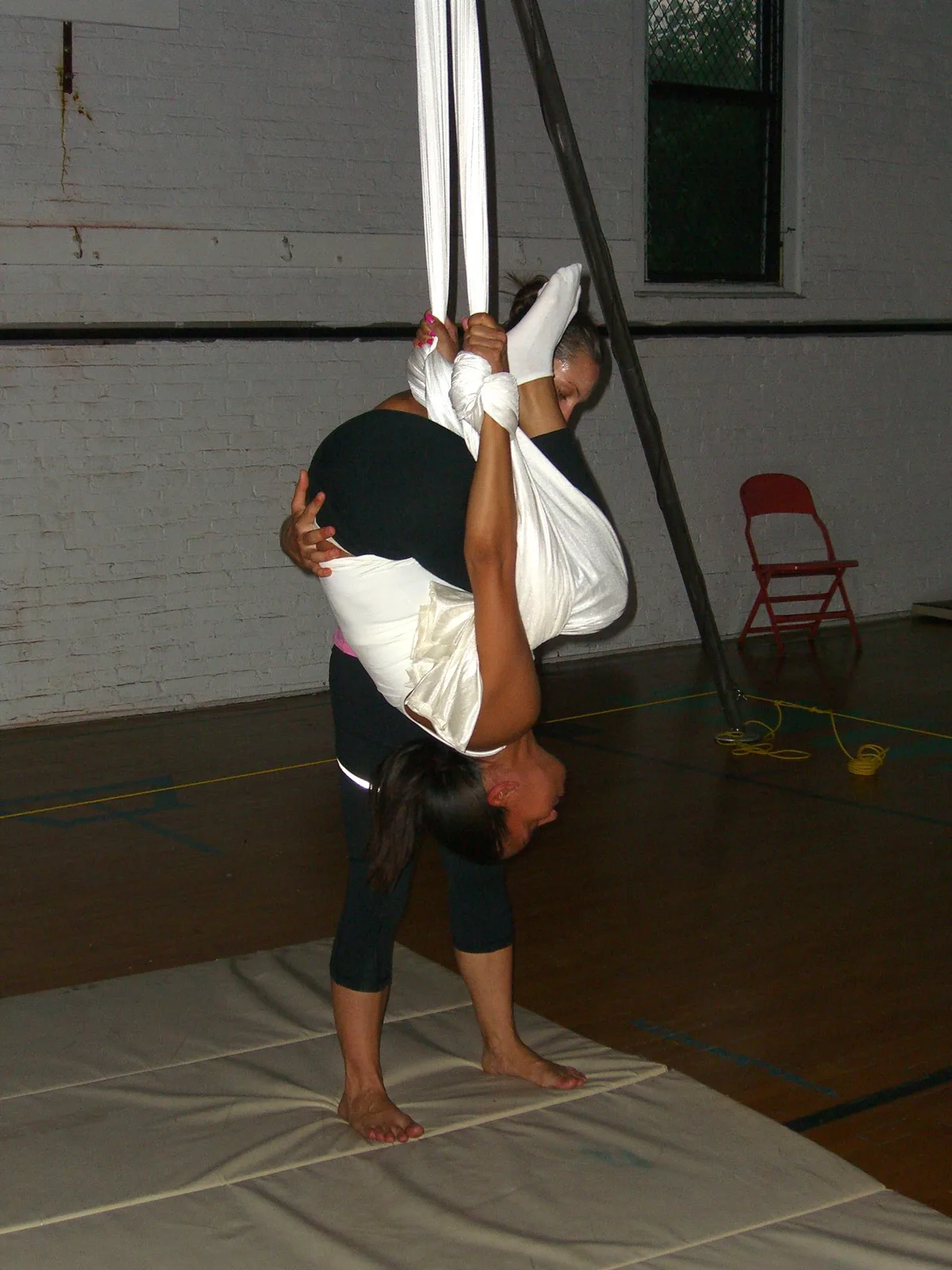
Yes, you can start dancing as an adult. Studios across the country run beginner classes for people in their thirties, forties, fifties and beyond, and most teachers expect a room full of first-timers. The real work is picking a style that fits your body and your schedule, finding a class that welcomes beginners, and giving yourself a season to improve before you judge the results.
There is no age cutoff. An adult, in the most common legal sense, is someone who has reached the age of majority — 18 in most countries, according to Simple English Wikipedia — which means the decision to sign up is entirely yours. What changes with age is not whether you can dance but how you should train: more warm-up, more patience, and a teacher who treats your knees as information rather than an obstacle.
How do you find dance classes near me that actually fit beginners?
Search for dance classes near me and you will get a long list, most of it aimed at children. Filter hard. Look for studios that list an "adult beginner" or "absolute beginner" class by name, not just an open-level class where experienced dancers drift in. Call or email and ask one direct question: how many adults are usually in the beginner class, and what is the average length of time people have been dancing there?
A good beginner class shares a few visible traits. The teacher demonstrates slowly, breaks combinations into counts, and repeats without sighing. The room has a mix of abilities and the studio does not sort adults into the same recital track as the competitive kids. Community centers, YMCAs, and college extension programs often run cheaper, lower-pressure options than commercial studios, and many dancewear-free gyms hire real instructors for evening classes.
Before you commit to a full session, ask whether you can drop in once. Most studios allow a trial or a single-class rate. One class tells you more than any website: whether the teacher counts out loud, whether corrections are kind, and whether you leave wanting to come back.
Which style should an adult start with?
Pick the style whose music you already love, because you will practice more if the soundtrack pulls you in. That said, some styles are friendlier to adult joints and adult schedules than others.
- Ballet basics or barre. Slow, structured, and heavy on posture. Great for people who want control before they want flash. Pointe work is a professional track — the shoes themselves are a specialized craft, as our pointe shoe breakdown explains — and recreational adults rarely need to think about it.
- Hip-hop and street styles. High energy, built on grooves you can practice anywhere. If the culture interests you, our guide to conservatory versus street training shows how differently the two paths teach the same body.
- Ballroom and social dances. Salsa, swing, waltz. Designed for adults, often paired with partner rotation, and the fastest route to dancing at an actual event rather than a recital.
- Contemporary or jazz. Floorwork and expression with less rigid technique than ballet. A common second class once the first style feels stable.
What this means in practice: start with one style, one class per week, for at least eight weeks. Adding styles too early blurs the vocabulary, and every style names the same basic ideas differently.
What should you expect in your first class?
Expect to feel clumsy for the first three or four sessions. That is the floor, not you — a new studio has a different floor, a different mirror geometry, a different teacher's counting rhythm, and your body needs a few visits to calibrate. Wear clothes you can move in and shoes suited to the style; you do not need dancewear for a beginner class, and most teachers would rather see you arrive than see you dressed correctly.
Arrive fifteen minutes early. Tell the teacher it is your first class and mention anything that hurts — old knee injuries, a stiff lower back, a shoulder that does not like overhead movement. A good teacher will give you modifications without making it a scene. Stand in the second row, not the back: you can see the mirror, the teacher can see you, and hiding in the back row is how beginners learn steps wrong and then unlearn them for months. For related coverage, see Dancer Injuries: What the Research Actually Shows.
Soreness is normal for the first few weeks. Sharp or joint-specific pain is not. Adults returning to movement should treat pain as a stop signal and get persistent problems checked — our reporting on what the research actually shows about dancer injuries covers the difference between training soreness and damage. This connects to our earlier piece, Conservatory or Street: Two Ways to Train a Dancer.
How do you survive — and enjoy — your first recital?
Many adult classes end a session with a low-key showcase. Say yes to it if you can, because performing once accelerates everything: musicality, memory, and the specific courage of moving while people watch. Preparation is simple and unglamorous.
- Learn the combination in chunks, not all at once, and mark it slowly before you run it full-out.
- Practice at home without the mirror, because the stage has no mirror and your body needs to know the steps without one.
- Run the entrance and the ending more than the middle. Most first-performance mistakes live in the first eight counts and the last pose.
- Breathe before you walk out. The audience for an adult recital is unusually kind — they came to see people they know try something new.
If your studio has no recital, find a substitute: a social dance night, a friend's living room showing, a video you record for yourself. The point is one completed performance, however small, in your first year.
Our analysis: the adults who stick with it share one habit
Across studio culture, the adults who keep dancing past the first season are rarely the most talented ones in the room. They are the ones who tied the class to something else they valued — a partner who comes with them, a weekly slot defended like a meeting, a social scene built around the style. Dance is a social art; even the club floor works that way, as our history of the dance floor as an institution traces from loft parties to warehouses. Build the social part early and the technique follows.
The honest unknowns: how fast you progress depends on your background, your body's history, and the teaching quality in your area, and no guide can predict that for you. What the evidence supports is narrower and more useful — starting is open to any adult, the first weeks are supposed to feel awkward, and one consistent class beats three sporadic ones. Pick a style, book a trial, and let the first month be bad on purpose.