Dynastic fantasy adaptations hook us because they compress three of the oldest storytelling engines into one frame: a family at war, a throne with no clear heir, and spectacle that carries meaning without a word of dialogue. The dragon is the delivery system. The succession fight is the plot. Neither works without the other.
The appeal is not really the fire. It is the structure underneath it. A dynasty gives a series a built-in clock: every episode moves a generation closer to a collapse the audience can already see coming. That is a rare thing on television, where most drama resets each week. Here, the ending is the premise.
There is also a deeper reason the genre reads as instantly familiar. According to Wikipedia, dance predates written language as a way of passing stories between generations, a performance method older than any book on a shelf. Fantasy adaptations on screen revive that same bargain: story carried by bodies, costumes, and staged movement before it is carried by dialogue. A dragon landing in a courtyard is choreography before it is a plot point.
Why does spectacle carry so much of the story?
Spectacle in fantasy is not decoration. It is information. A coronation, a duel, a flight over a burning fleet — each one tells the audience who holds power and how quickly that power can vanish. Encyclopaedia Britannica defines dance as rhythmic movement used to express an idea or emotion, and quotes Aristotle's Poetics on movement that represents "what men do and suffer." Screen fantasy borrows that logic directly. The set-piece is the argument.
This is why the genre rewards directors who stage violence as choreography rather than chaos. A well-built battle scene has counts, spacing, and cause and effect. Viewers feel the difference even when they cannot name it. The craft is the same craft a fight director or a stunt performer trains for years: controlled risk, repeated until it reads as inevitable.
What makes a succession story so addictive?
A succession story is a mystery where everyone is guilty. The audience knows the throne cannot hold. The fun is in watching each claimant convince themselves they are the exception. That structure does something clever: it makes politics feel like fate. Every compromise, every marriage, every quiet betrayal tightens the spring.
It also solves television's biggest problem, which is stakes. In a procedural, the stakes reset. In a dynasty, they compound. A bad decision in episode two is still costing someone their life in episode eight. Viewers stay because the ledger never clears.
Why do dragons change the rules of adaptation?
A dragon is a budget line and a moral line at once. Financially, it forces the production to commit: once the creature exists, the show has promised spectacle it must deliver every season. Dramatically, it removes any pretense of realism and replaces it with something better — consequences at scale. A court intrigue can ruin a family. A dragon can end a city.
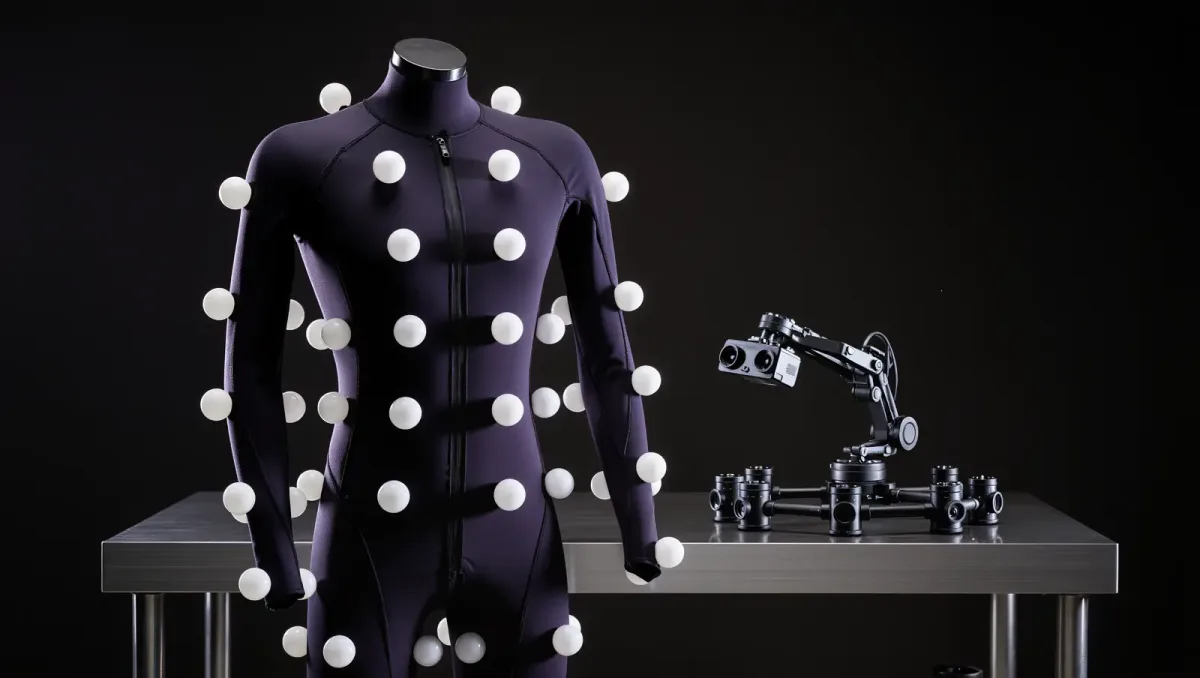
That scale is also why these adaptations lean so heavily on performance-capture craft. The creature is only as convincing as the actor inside it. The discipline behind a believable beast is close to the work described in motion capture acting, where the performance happens inside a marker suit and the dragon's grief or rage is a human take before it is a render. For related coverage, see Motion Capture Acting: The Performance Inside the Marker Suit.
What this means for how we watch fantasy
Our analysis is simple: dynastic fantasy succeeds on screen because it does not ask the audience to learn a new grammar. It reuses the oldest one. Spectacle for meaning. Movement for emotion. A scoreboard of heirs for suspense. The dragons are new; the dance is not.
That is also the honest warning for the genre. When an adaptation leans on spectacle without the succession logic underneath, the fire stops meaning anything. The best of these shows keep the two welded together: every flight advances a claim, every claim ends in a flight. Watch a fantasy saga that way and the hook becomes visible — and the craft behind it becomes impossible to unsee.
For more on how performance and screen craft intersect, the rest of our Stage & Screen coverage follows the same thread: what the finished image costs, and who paid for it in rehearsal. We covered a connected angle in What a Stage and Screen Setup Really Costs: The Price Drivers Explained.