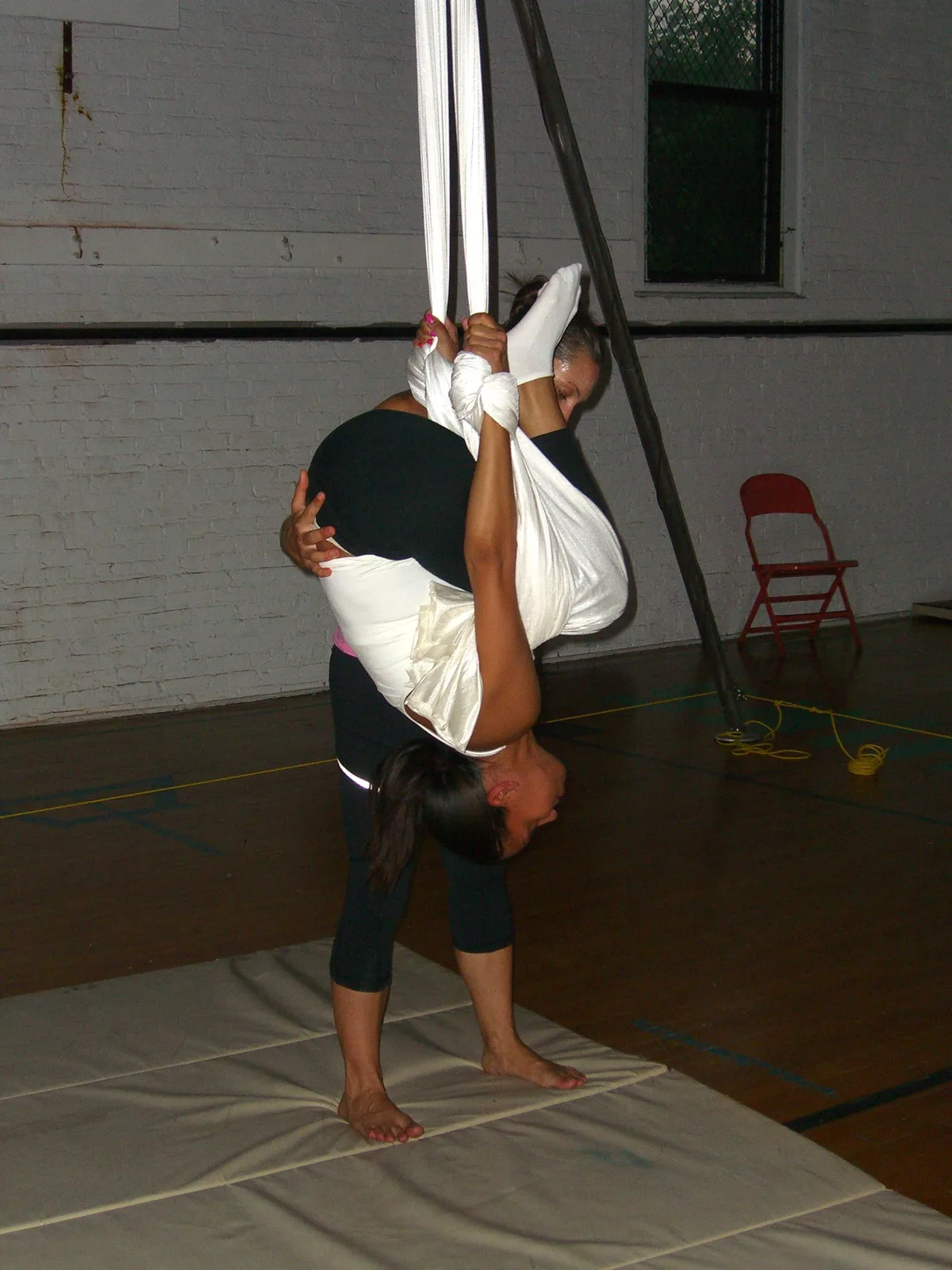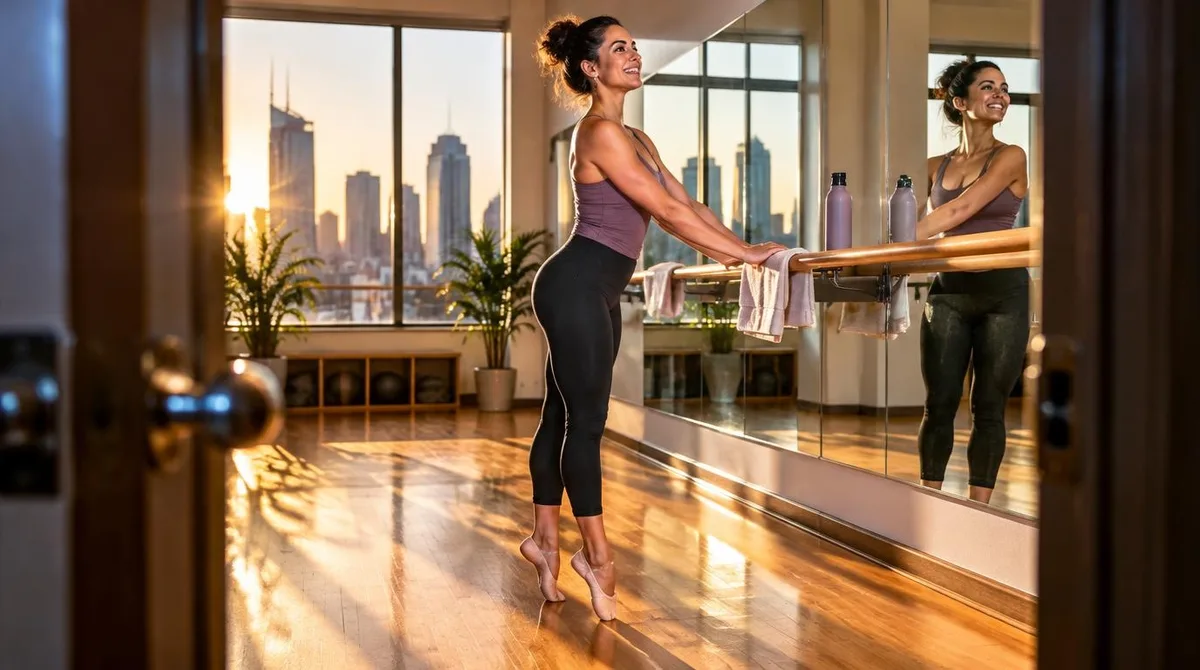
A 90-day start in dance comes down to one studio, one style and two classes a week, with the entry costs kept low. Nashville Ballet's community program charges $5 for a first adult class, and its 90-minute Beginner Ballet sessions are built for adults with no prior experience at all.
The plan below assumes an adult with no dance background and three months of steady weeks. Adult programs run on drop-in models with rolling enrollment, so nothing needs an audition and a beginner can join any week, per the studio's own materials. The months divide into three phases: try, repeat, then step up. We covered a connected angle in Dance Classes Near Me — Adult Dance Classes: How to Start Late and Actually Stick With It.
Why Start Dancing at 18, 38 or 68?
Because the door is open. Dance suits people of all ages, shapes and sizes, and Wikipedia's survey of dance and health research lists the documented gains: better heart and lung condition, more strength and aerobic fitness, stronger bones, sharper balance and coordination, plus physical confidence and better social skills. Most forms count as aerobic exercise, and studies tie dancing to psychological well-being. The bar for starting is a first class, not a background.
What Happens in a First Beginner Class?
Less ceremony than expected. Comedian Jennifer Wong joined Ballet for Absolute Beginners at Sydney Dance Company for a Guardian column in September 2023 and found a 90-minute drop-in class that is, strictly, designed for people who have already done four Introduction to Ballet classes. She kept up anyway, at the barre, in striped ankle socks. Her instructor's advice for an absolute beginner was to just have fun, and to jump on the spot when lost. The class ran through first position and plié to piano music.
How Should Days 1 Through 30 Be Spent?
On trials and repetition. The studio's community class page shows the standard structure: a first class for $5, then drop-in purchase or class packs, with beginner ballet running 90 minutes and split into levels. A sensible opening month:
- 1. Book one trial class in week one, plus a backup style at the same studio.
- 2. Pick a single style for the 90 days; ballet's step names carry into jazz, contemporary and ballroom.
- 3. Hold two fixed weekly slots, since repetition builds beginners faster than intensity.
- 4. Keep footwear simple at first; a Guardian reporter's striped ankle socks raised no objections.
- 5. Write down new terms after each session, because classes move at vocabulary speed.
Thirty days of that routine puts a student on pace with a real cohort: Nashville Ballet describes Level 1 as the home for absolute beginners, and Wong's Sydney class was full of adults in the same position.
How Do Days 31 Through 60 Build Skill?
By moving up a level. Level 2, per the Nashville program, is for dancers who have begun training and want a faster pace, which is exactly where a six-week veteran belongs. The four-class benchmark from Sydney Dance Company is a useful yardstick: once four introductory sessions feel comfortable, the absolute-beginner drop-in becomes the right room. Class packs usually cut the per-session cost, so the second month is the moment to buy one. Readers following this should also see Dance Music — The Anatomy of a Dance Song: Why Some Tracks Move Everyone.
What Does the Final Month Add?
Range. A third weekly session, a second style built on the same vocabulary, or the studio's next level all work. This is also when the health math starts to show: the documented benefits, from aerobic fitness to balance, track steady attendance over weeks, not single classes. The habit matters more than the shoes by day 90, which is why the plan keeps gear costs out of the early weeks.
Conclusion: Ninety Days Buys a Real Foundation
Ninety days will not make a professional, and the plan never promises to. It buys a working vocabulary, a body that recovers faster, a fixed place in a weekly room and enough skill to follow a 90-minute class without panic. The barriers, auditions and big upfront fees, turn out to be imaginary: $5 trials, drop-in policies and rolling enrollment exist at major companies precisely so adults can walk in cold. The rest is showing up twice a week.