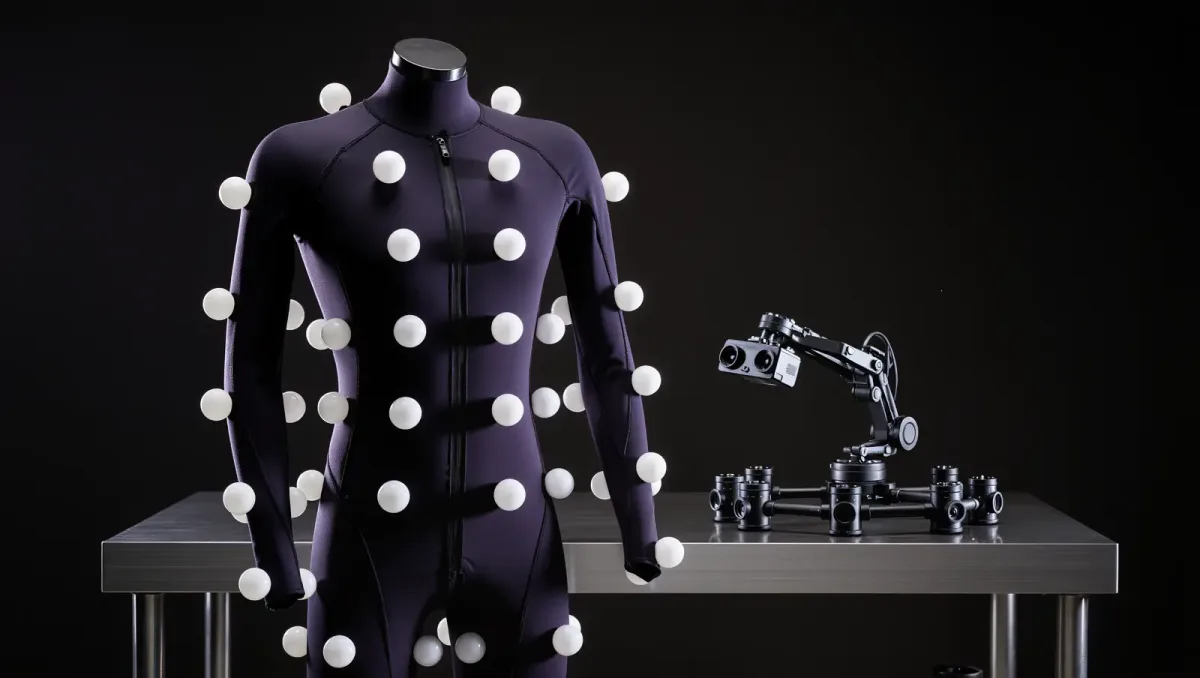
A motion capture performer delivers an entire character in a lycra suit covered in retroreflective markers, and by 2023 that work finally had union protection: SAG-AFTRA's 2023 Interactive Media Agreement, ratified that year, extended covered status and consent requirements to digital replica work in video games — a change the union put at the center of its campaign. A decade earlier, mocap performers on games worked largely without those floors. This piece publishes information, not career advice.
What does a capture performance actually involve?
Two capture modes dominate. Performance capture on a stage with dozens or hundreds of cameras records body movement, and often face and voice simultaneously — the model for cinematic games and creature work. Keyframe-heavy pipelines still hand-animate much of a game, but narrative scenes, combat motion libraries and hero creature movements come from human capture sessions. A session day can involve repeated full-intensity physical runs: fights, falls, climbs — shot from every angle the pipeline needs, often multiple times for coverage of the motion library.
Face capture adds its own discipline. Head-mounted cameras record an actor's expressions to drive a digital face; performers learn to act at a calm, close intensity while wearing rig hardware and, in some setups, paint markers on the face.
Who does the work?
Three overlapping populations: stunt performers, who bring fight choreography and falls into game motion libraries; theatre-trained physical actors, who sustain character through movement alone; and screen actors, who take game roles as the line between film and game production thins. Big-budget games now cast recognizable screen performers for leads while stunt teams fill the movement libraries beneath them.
How is mocap paid?
For union game work, SAG-AFTRA's Interactive Media Agreement sets session fees and residual-style additional compensation tied to sessions and work type. Non-union capture work persists outside covered projects, with rates negotiated per session. On film, creature and digital-double capture is typically folded into stunts or background-performer agreements depending on the setup. Rates vary widely by project tier, and agents now negotiate mocap credits explicitly, since a motion library credit can contain hundreds of recorded actions.
What changed with digital replicas?
The 2023 agreement made employment-based digital replicas — digital doubles built from a performer's own captured motion — a consent-and-compensation item rather than a customary practice, and required informed consent and bargaining for their use. Since then, studios and game publishers building capture-heavy titles have bargained replica terms into deals covering capture performers, a structure motion-capture veterans spent years asking for.
How does an actor break into capture work?
The pipeline runs through movement: circus and stage-combat training, parkour and acrobatics, dance — then casting calls for capture sessions through studios that specialize in mocap production. Reels are physical: a movement reel showing tumbling, combat, creature work and character walks, not a headshot. Producers staff capture stages out of Los Angeles, London, Vancouver and a handful of other hubs where the sound stages and camera arrays sit.
What is next for capture performance?
The game slate for the rest of 2026 carries several capture-heavy productions in motion-library and cutscene stages, and the union contract's replica provisions keep consent language at the center of every new capture deal. For performers, the durable fact holds: the marker suit is now recognized work, with a floor beneath it.
What does a capture stage look like from inside?
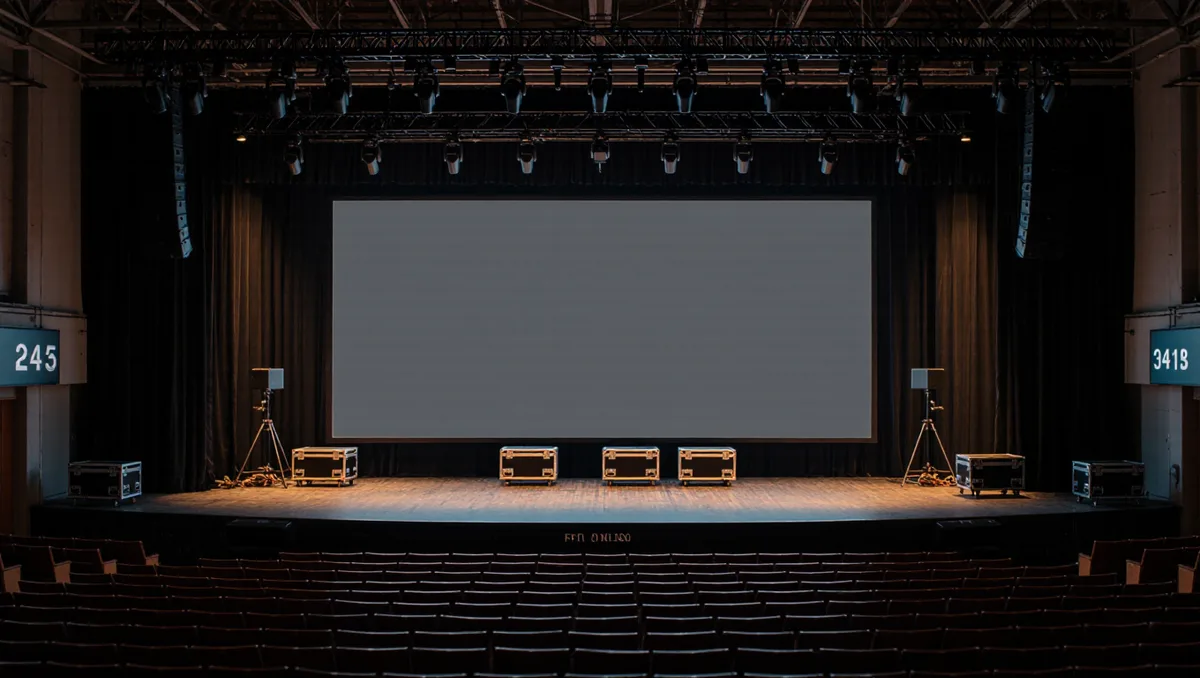
A capture volume is a black-box space lined with camera arrays, matte gray or black on every surface, lit flatly for tracking rather than mood. Props are gray stand-ins — a foam rock, a marker-covered rifle, a shopping cart of handles. Performers work against imagination in a way that resembles radio drama more than film: the set, the light and often the scene partner's actual appearance exist only in documentation. Directors run capture sessions with live visualization tools that render the performer's skeleton in real time, so a take can be judged for movement quality immediately. Veterans of the format describe the core skill as scale control — playing a nine-foot creature and a seated conversation with the same instrument, adjusting physical vocabulary while the cameras track every marker.