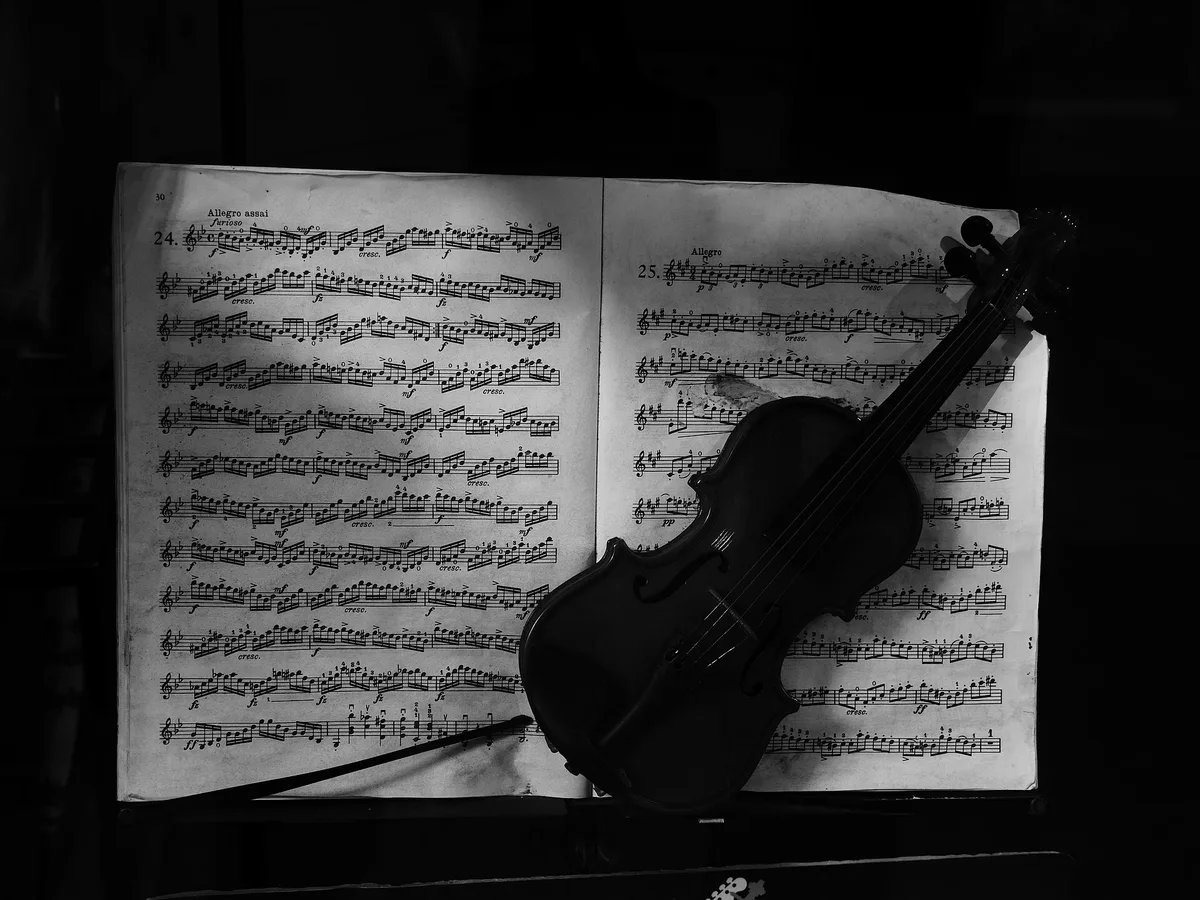
Sight-reading looks like a wall of hieroglyphs until someone tells you the secret: it's an alphabet. The five lines and four spaces of the staff hold a fixed set of names, and once you memorize a couple of short sentences, every note announces itself. That's the whole trick. To read, in the plainest sense, is to obtain meaning from written symbols — a definition Cambridge Dictionary gives for the verb itself, and music notation asks nothing more of you.
This guide walks the staff from the bottom up. You'll learn what the lines mean, which clef changes the answer, and the mnemonic sentences that make the note names stick. No instrument required — though a keyboard helps, because the pattern is easiest to see on one.
Notation is one of those crafts that rewards patience over talent, a bit like the studio work behind a finished track — our explainer on Mastering vs. Mixing: What Each Process Does to a Track makes the same point about engineering. The page turns, the skill compounds.
What is the staff, exactly?
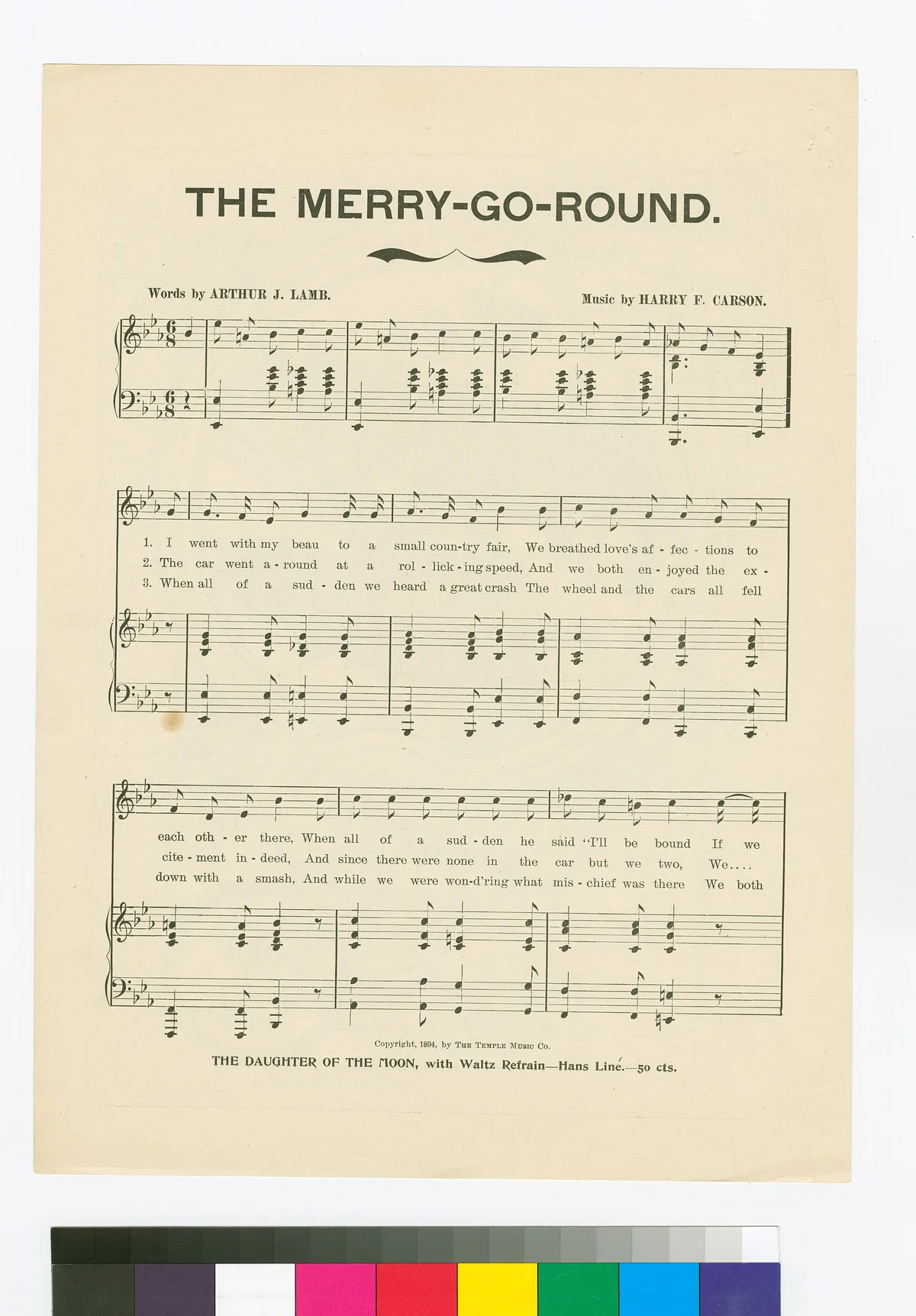
The staff is five horizontal lines and the four spaces between them. Each line or space is a slot for one note, and the higher the symbol sits, the higher the pitch sounds. Left to right is time; up and down is pitch. That's the entire coordinate system.
Notes themselves are oval marks. A filled oval with a stem is a quarter note in most common notation; a hollow oval with a stem is a half note; a hollow oval with no stem is a whole note. The shape tells you how long to hold the sound. The position tells you which pitch to hold.
One wrinkle: the staff alone doesn't tell you the names. It needs a clef, the symbol parked at the far left, to assign meaning to the lines. Change the clef and the same five lines mean something different.
What does the treble clef tell you?
The treble clef — the curly one that looks a bit like an ampersand — is the default for melodies, right hands, guitars, violins and most singers. It fixes the second line from the bottom as G. From there, the alphabet runs upward: G, A, B, C, D, E, F, wrapping around and repeating.
The five lines, bottom to top, spell E, G, B, D, F. Generations of students have memorized that with "Every Good Boy Does Fine." It's a little corny and it works. The four spaces spell F, A, C, E — no sentence needed, because the spaces literally spell a word.
Say the sentences out loud once or twice a day for a week. Then quiz yourself on a random line. The goal isn't recitation; it's instant recall, the same way you stopped sounding out words years ago.
And the bass clef?
The bass clef — two dots flanking a backward C — handles the low end: left hands, bass guitars, cellos, tubas. It fixes the second line from the top as F, which is why old editions call it the F clef. The dots bracket that F line like a pair of quotation marks.
Lines bottom to top: G, B, D, F, A — "Good Boys Do Fine Always." Spaces: A, C, E, G — "All Cows Eat Grass." Notice the two clefs share letters in different orders, which is why mixing up the clefs is the single most common beginner error. Check the clef before you check the note.
Piano players get both at once, treble for the right hand and bass for the left. It looks like double homework. In practice the two staves are joined by a brace and read as one continuous system, and the left-hand part usually moves less than you fear.
What about the other symbols on the page?
A few marks do the housekeeping. A sharp (#) raises a note a half step; a flat (b) lowers it one; a natural cancels either. A key signature at the start of each line applies those across the whole piece, so you don't read a flat symbol on every single F.
Numbers and fractions at the left — the time signature — set the pulse. In 4/4, the top number says four beats per measure and the bottom says a quarter note gets one beat. Bar lines slice the staff into measures the way punctuation slices a sentence.
Rests are the silent twins of the notes, and beginners skip them at their peril. The gaps between sounds carry as much rhythm as the sounds. A reader who only hunts pitches will play the right notes at the wrong moments, which is its own kind of wrong.
What this means for your first month
Our analysis of how beginners actually stall: they try to read real music too fast, hit a wall, and conclude the skill is genetic. It isn't. It's vocabulary. Work it like vocabulary.
- Say the mnemonic sentences daily until recall is instant.
- Name notes on a staff before playing them — flashcards, an app, a printed sheet, anything.
- Read something easy and slow, and count the beat out loud. Speed comes later, and only then.
- Keep the clef check first. Clef error poisons everything downstream.
Expect a few weeks of deliberate, slightly boring practice before it clicks. The click is real, though. One day the lines stop being a code and start being a sentence, and you read the page the way you read this one.
Reading music won't make you a musician on its own — plenty of great players never learned, and plenty of chart-bound tracks come from producers who never opened a staff, as our piece on How Bedroom Producers Really Reach the Charts shows. But it opens doors: session work, sight-reading gigs, formal study, the ability to write down the tune in your head. The staff has been holding that door open for centuries. It costs one alphabet to walk through.