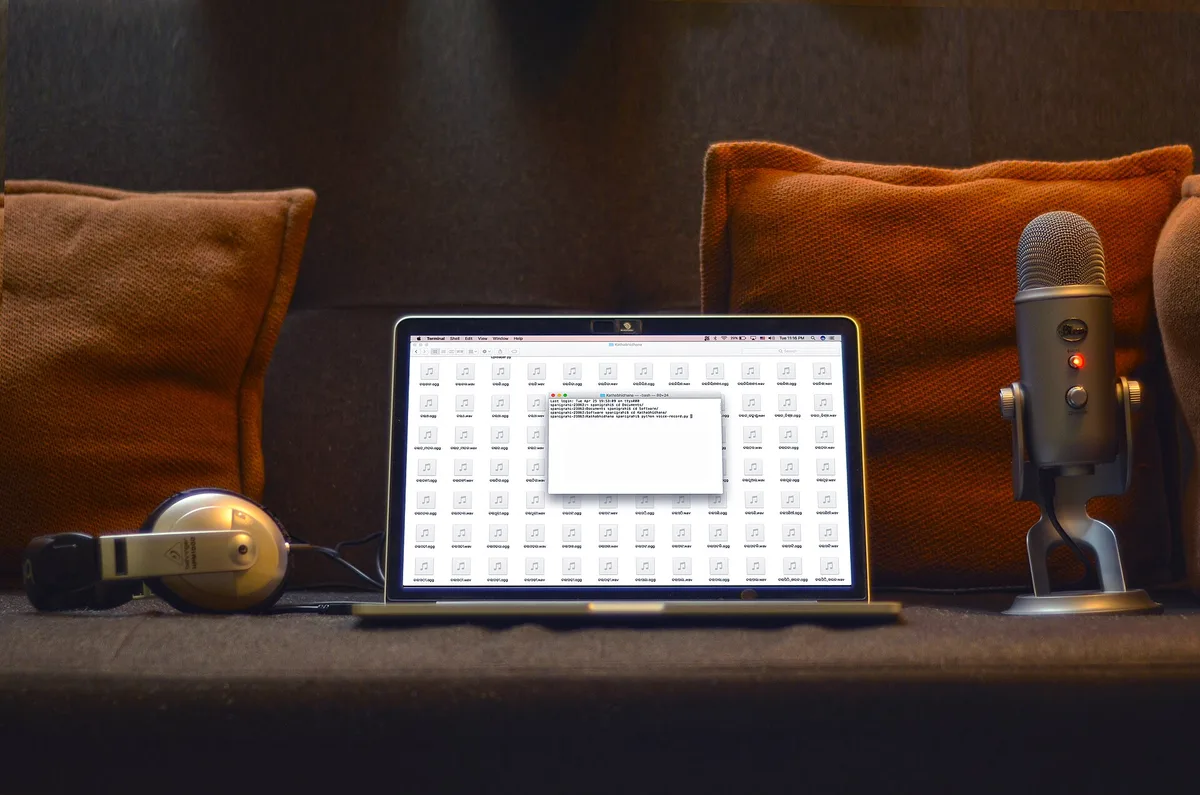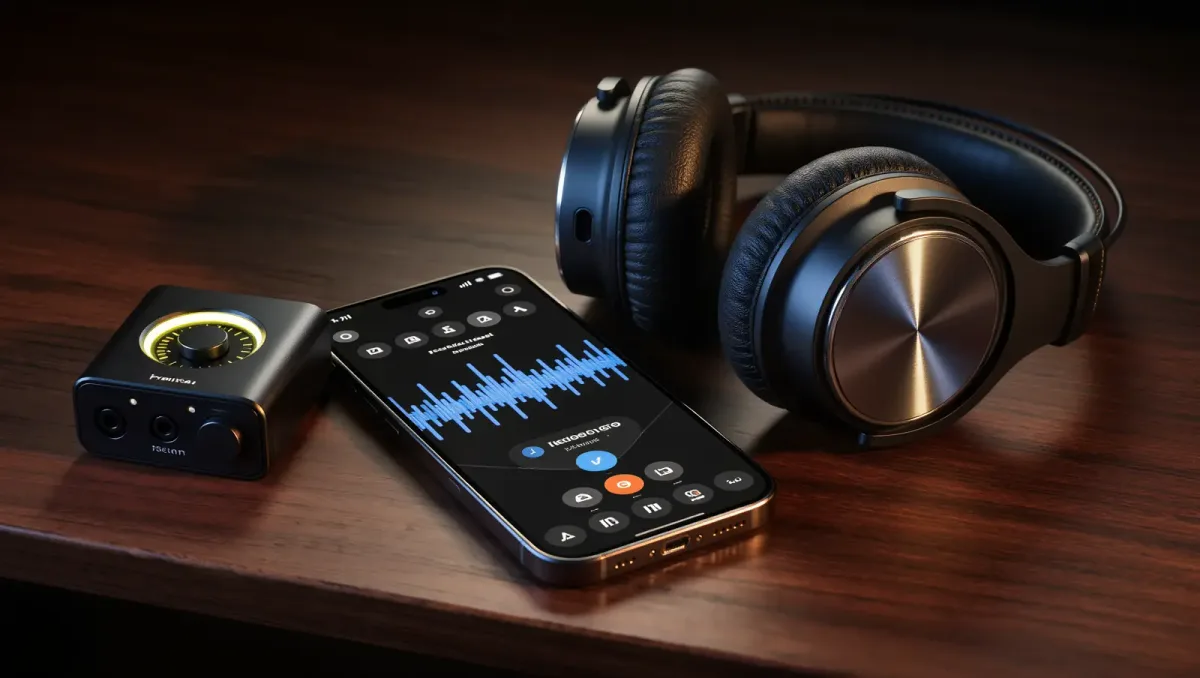
Can a record made in a bedroom reach the Billboard Hot 100? Yes, and the route is documented. Billie Eilish and Finneas cut Ocean Eyes in a Los Angeles bedroom in 2015 and uploaded it to SoundCloud; the track later went multi-platinum. Steve Lacy co-produced the Kendrick Lamar song PRIDE. in 2017 largely on an iPhone using a guitar app. The bedroom-pop pipeline that made those results possible is now standard equipment: a laptop, a pair of headphones, an audio interface, a digital audio workstation and a distribution deal that costs less than a month of rehearsal-studio rent.
This is craft and business reporting, not financial or legal advice; figures below are industry reporting and published rate cards as of 2025, and they change. What does not change is the order of operations: record, mix, master, distribute, register, then hope the algorithm or a playlist editor does the rest.
What does a working home setup actually cost?
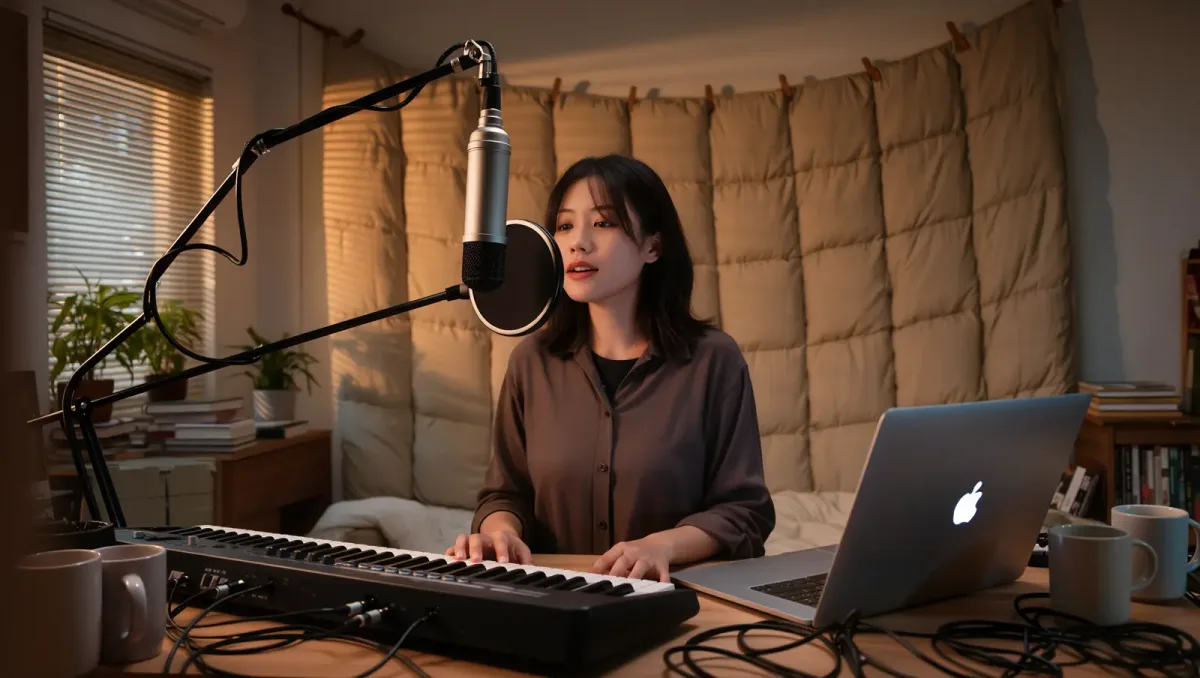
A capable starter rig runs between roughly $600 and $1,500 as of 2025. An audio interface such as a Focusrite Scarlett 2i2 lists near $200. A DAW subscription — FL Studio, Ableton Live Intro or Logic Pro — runs from about $100 one-time (Logic) to $200-plus for bigger versions. Add closed-back headphones in the $100–$200 range and a large-diaphragm condenser microphone around $100–$300, and the classic excuse of not affording a studio mostly disappears. What separates hobby rigs from chart records is not the gear list; it is arrangement taste and the number of finished songs.
How does the song get onto Spotify and Apple Music?
Independent artists cannot upload directly to most streaming services; they go through a distributor. Companies such as DistroKid, TuneCore, CD Baby and UnitedMasters take recordings to Spotify, Apple Music, Amazon Music, YouTube Music and dozens of smaller platforms. Pricing as of 2025 ranges from roughly $23 a year for a single-artist DistroKid plan to per-release fees at CD Baby. The distributor takes little or no percentage on entry-level plans; the trade-off is that the artist pays upfront and handles all rights administration themselves.
Who gets paid, and when?
Streaming royalties flow through a chain: platform, distributor or label, then artist. Sound recording royalties arrive weeks to months after streams occur, because platforms report and settle on a lag. Publishing royalties — the songwriting side — follow a separate path through performance rights organizations and, in the United States, The Mechanical Licensing Collective, which began administering blanket mechanical licenses in January 2021 under the Music Modernization Act of 2018. A bedroom producer who writes and records everything owns both sides, which is why self-produced bedroom tracks can out-earn feature-heavy records with the same stream count.
Is the chart story real, or survivorship?
It is real but selective. Billboard and Luminate chart eligibility requires tracked sales and streams reported through Luminate; distribution itself does not put a song on a chart. What breaks a bedroom record is usually one of three documented paths: a viral platform moment (TikTok clips drove, for example, Eilish's early streaming surge), a co-sign from a bigger artist, or months of playlist pitching through Spotify for Artists before release day. Industry reporting has repeatedly noted that only a small fraction of the roughly 100,000-plus tracks uploaded to streaming platforms daily, a figure Spotify's former leadership cited in 2021–2023 interviews, generate meaningful income.
Do you still need booked studio time?
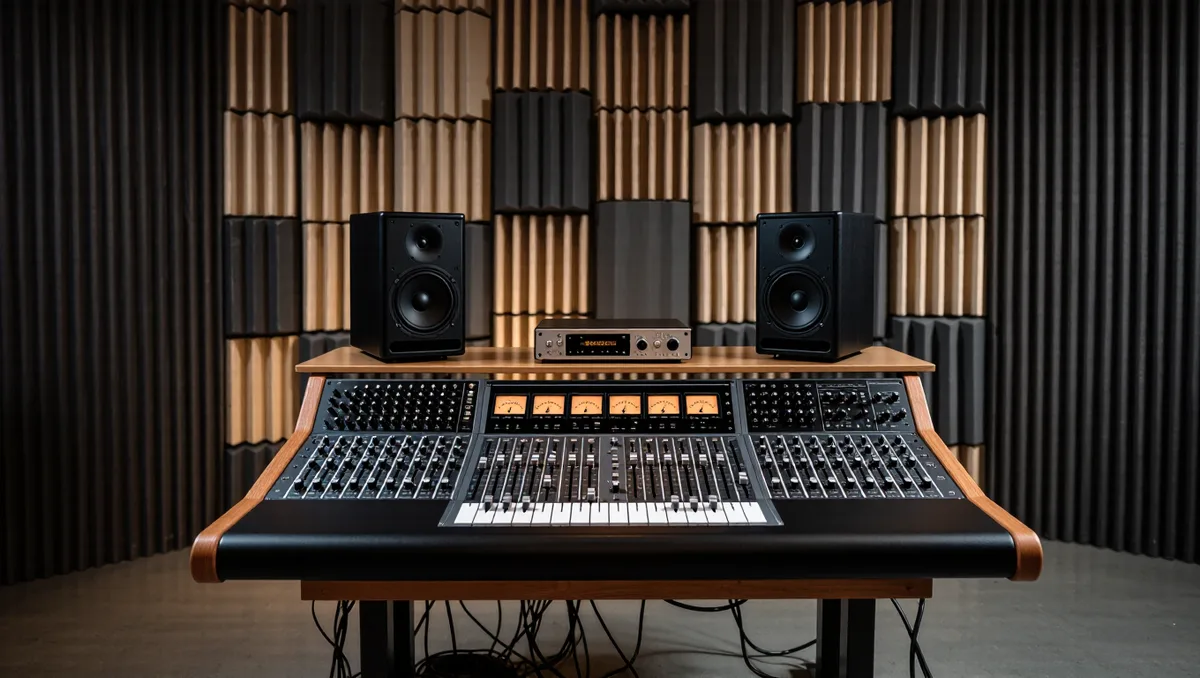
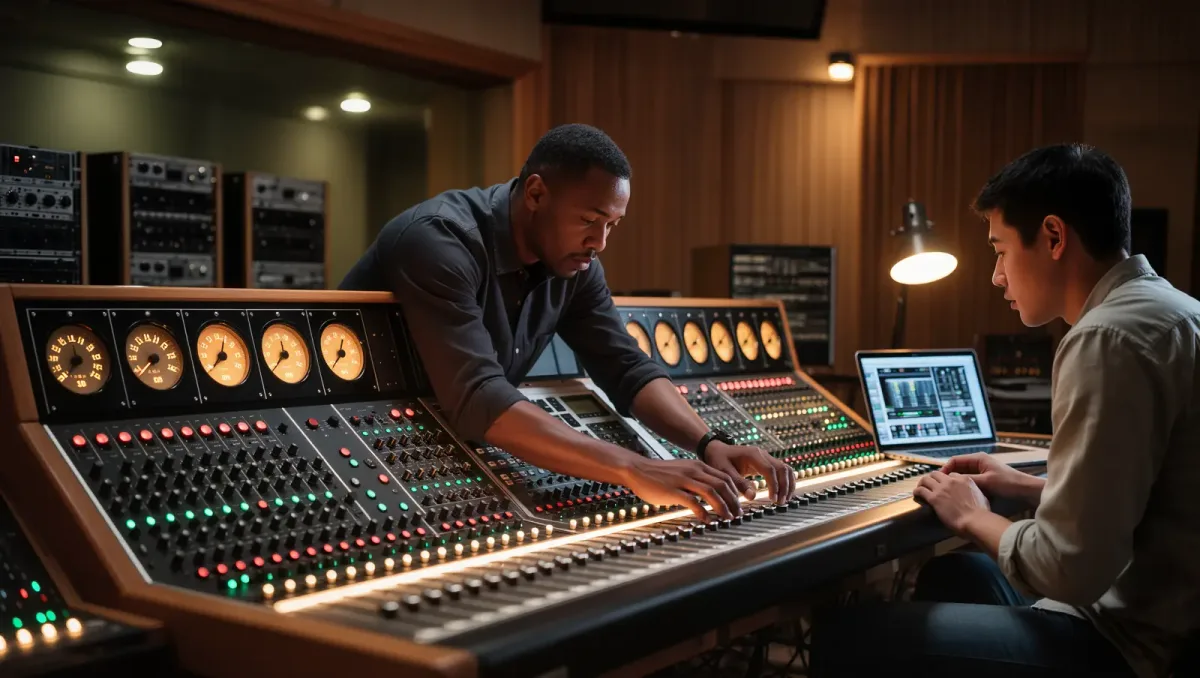
Less than before, and for narrower reasons. Bedrooms handle vocals, programming and mixing reasonably well once a producer learns the room. What home setups still do poorly is drums recorded with real microphones, loud guitars through actual amplifiers and anything requiring an acoustically large space. That is why the day-rate model persists at the edges of the pipeline: independent engineers rent their rooms by the hour on booking platforms for $40–$100 an hour in most US cities as of 2025, and a bedroom producer might book four hours to track a drum loop or a guitar take, then return home to arrange. The economics favor that hybrid. Ten booked hours cost less than one plugin bundle, and they buy sound sources no plugin convincingly fakes.
Which pieces of gear actually change the result?
Trade engineers repeat three points. First, room treatment beats microphone upgrades: a $150 set of absorption panels changes recordings more than jumping from a $100 mic to a $1,000 one in an untreated room. Second, monitors matter more than spec sheets suggest; a flat pair used consistently teaches a producer how their mixes translate to earbuds, car stereos and club systems. Third, latency and workflow beat novelty: the DAW a producer knows cold is worth more than the DAW with the newest feature list. The corollary is that upgrade money is best spent after the twentieth finished song, not the second. Catalog size is the only metric a distributor pays on.
What actually improves the odds?
Working producers interviewed across trade press over the past decade converge on the same mechanics, and none of them require a label. Finish and release consistently — catalogs compound because playlists and algorithms favor artists with multiple tracks. Register with a PRO and the MLC so publishing money is not orphaned. Keep stems organized so a remix or sync opportunity can be answered in days, not weeks. And record vocals dry and clean: a treated corner of a room with a duvet beats an untreated living room at any budget. Release timing matters more than most beginners assume; pitching a Spotify playlist through Spotify for Artists requires a track at least seven days before release, and editorial editors reject most submissions that arrive late or unfinished.
What is next for the bedroom pipeline?
The tools keep moving toward the artist. AI-assisted mastering, stems-splitting tools and direct-to-fan platforms have collapsed more of the traditional chain, and distributor rate cards keep dropping. The bottleneck as of late 2025 is attention, not production. The next chart-bound bedroom record will most likely be distinguished by a release plan written before the session file was ever bounced.