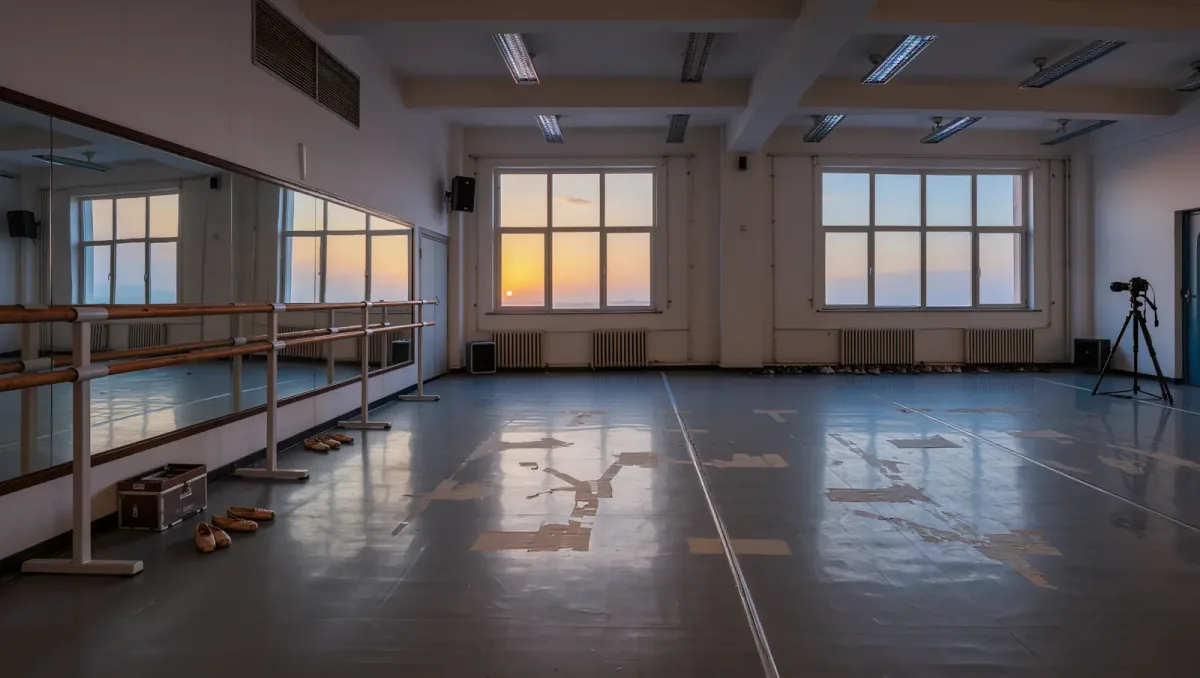
Conservatory or Street: Two Ways to Train a Dancer
Degree programs and the jam circuit produce working dancers in parallel — what each track teaches, what each costs, and where the two systems now overlap.
Dancers and choreographers: club floors, battle culture, companies, music-video movement
Degree programs and the jam circuit produce working dancers in parallel — what each track teaches, what each costs, and where the two systems now overlap.

Between the choreographer's vision and the dancers' bodies sits a specialist role: what rehearsal directors actually do between premieres, on tour and inside a company's memory.
Auditions, rehearsal weeks, copyright and credits: how movement direction became a named, credited, increasingly organized profession in the music-video industry.
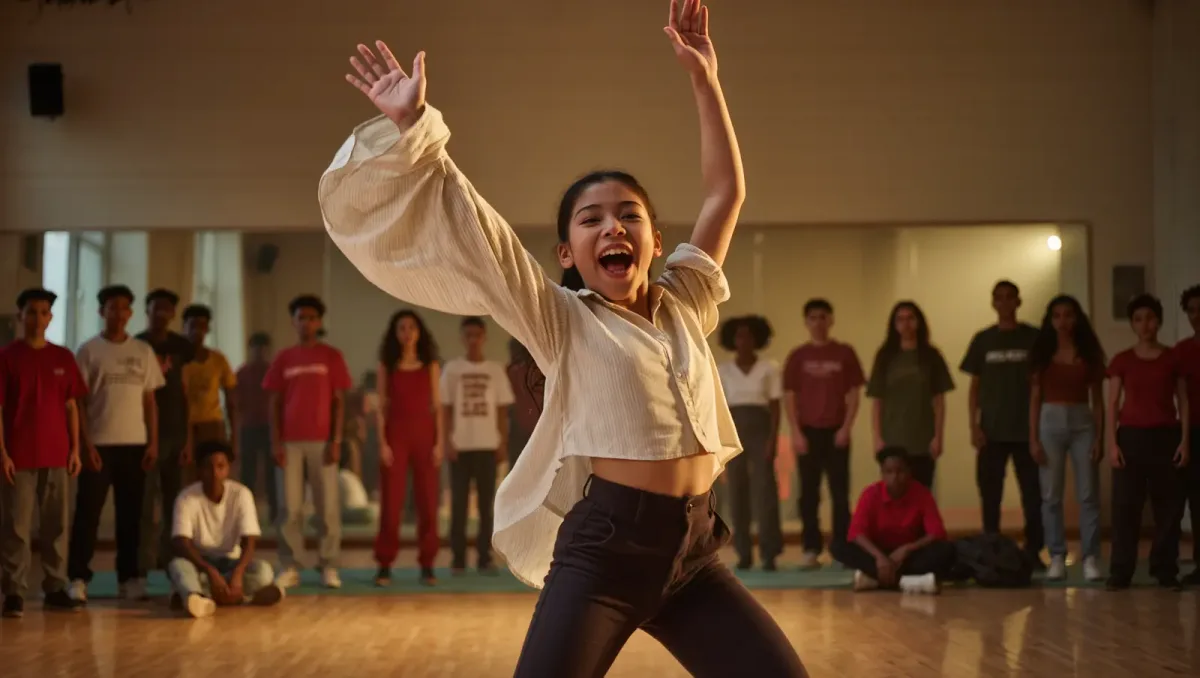
Born in 1970s Los Angeles clubs and carried to the world by Soul Train, waacking has its own history, vocabulary and boundaries — and its practitioners keep them precise.
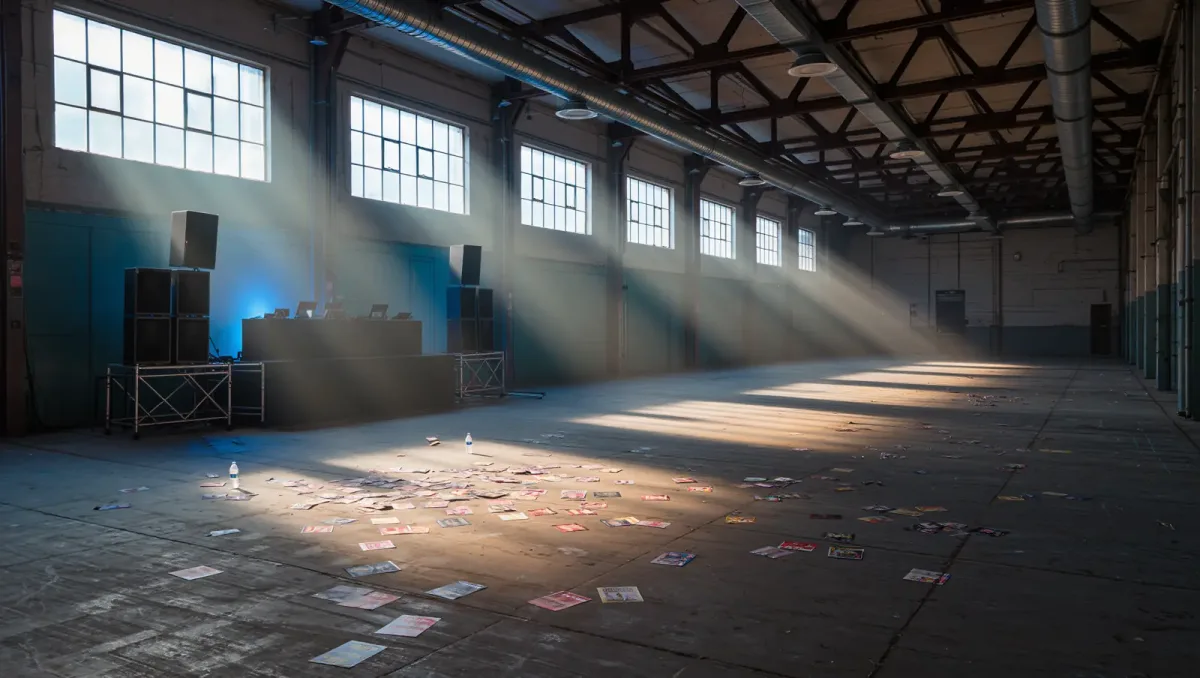
The club floor is not a venue feature but a cultural technology with rules, origins and lineage — how Black, Latino and queer rooms invented the grammar every dance floor still speaks.
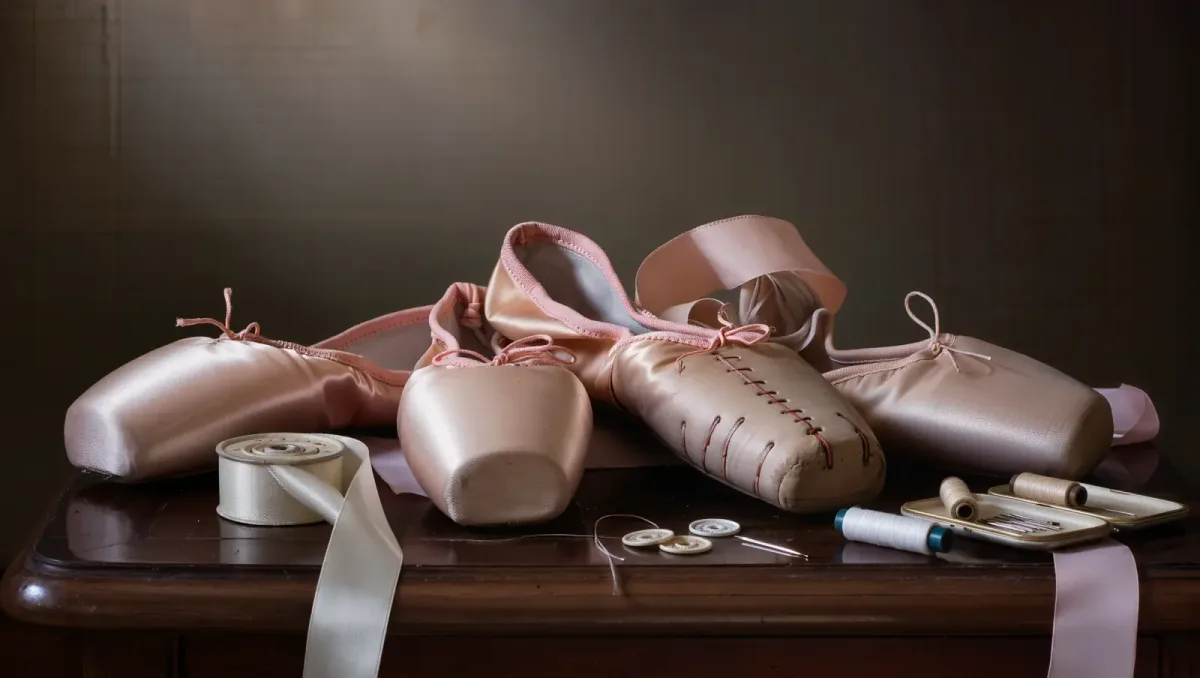
A professional dancer can wear out a pair in a single performance: inside the handmade economy of pointe shoes, from Hackney's paste-and-burlap benches to the supply math of ballet companies.