Who designs the movement in a major music video, and what is that work worth? The job has a name, a credit and a career ladder. Choreographers like JaQuel Knight — whose movement for Beyoncé's 2008 Single Ladies video became one of the most imitated dances of its decade and who later became the first commercial choreographer to copyright choreography using Labanotation, the dance notation system, for that work — turned movement direction into a visible authorship role. The industry responded around them: choreographer credits are standard on major releases, dance-driven videos anchor artist brands, and the labor side — dancers, assistants, rehearsals — runs on agreements and rates that the profession has spent the last decade organizing to protect.
This is industry reporting; rate figures are trade-standard ranges as of 2025.
What does a music-video choreographer actually do?
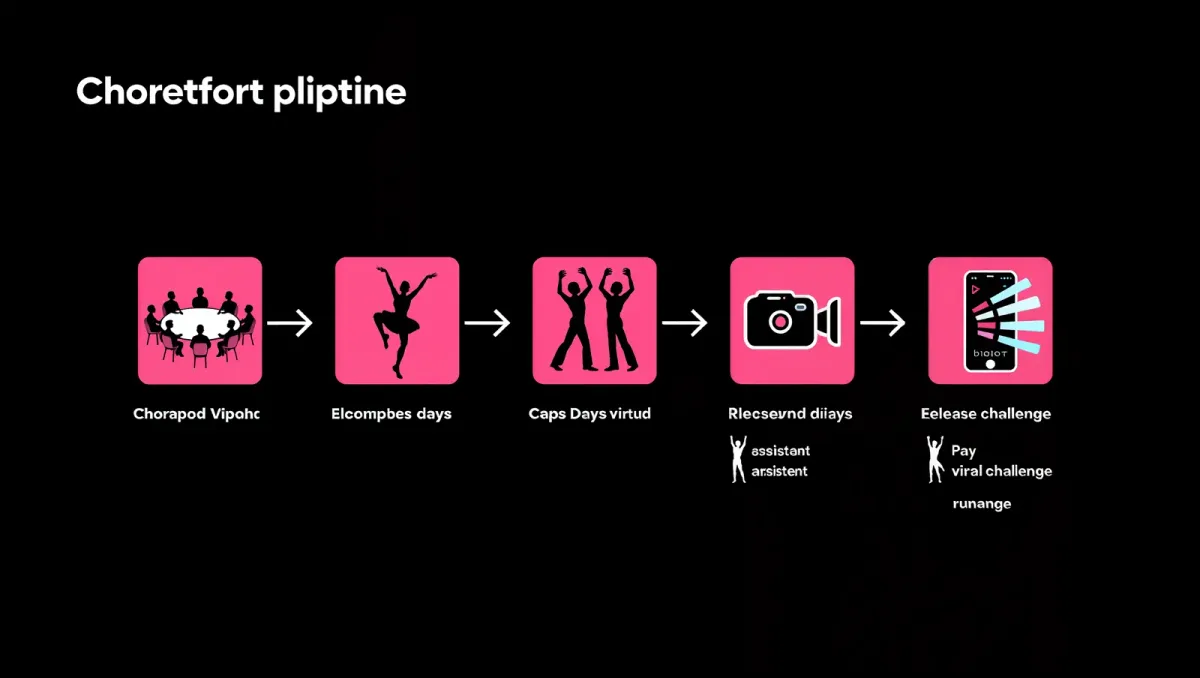
The job splits into three phases. Pre-production: meeting the artist and director, translating the track's structure into movement concepts, building the rehearsal plan and casting dancers through auditions — the industry's cattle-call audition economy persists alongside agent-driven bookings. Production: a rehearsal period that can run from a single day for a simple performance video to two or more weeks for heavy choreography, followed by shooting days where the choreographer adapts the work to camera, blocking and edits. Post: little presence, but reputation lives in the result — clips, live tours and fan reproductions extend a video's choreography far beyond the shoot, and a viral dance is a choreographer's most effective portfolio.
How do dancers and assistants get paid?
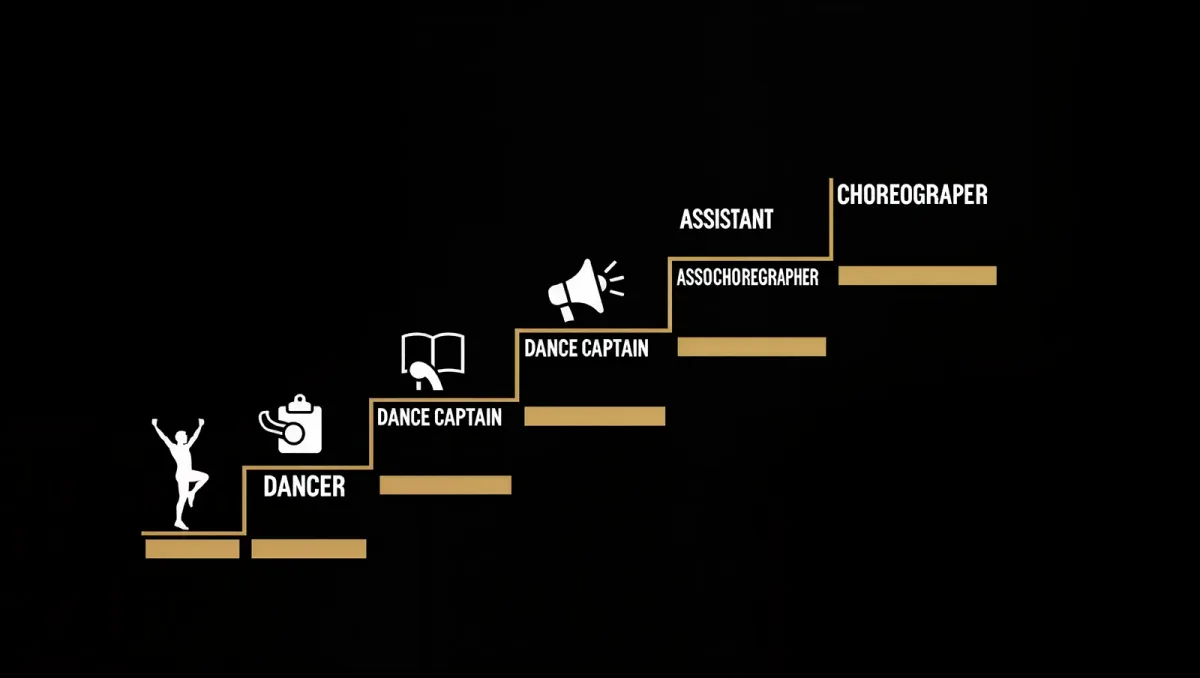
Union coverage frames the floor. SAG-AFTRA's music video agreement covers dancers on covered productions, setting day rates, overtime and rehearsal provisions; trade-standard non-union commercial and video work has historically paid dancers a few hundred to around a thousand dollars per shoot day depending on the artist's level and usage scope, with rehearsal days paid at lower rates — a persistent grievance the profession has pushed to fix. The assistant choreographer role is the recognized apprenticeship: assistants run rehearsals, demonstrate for the director, manage dancer logistics and absorb the choreographer's method on the job. The ladder from dancer to assistant to choreographer is the industry's real training program, and assistants increasingly negotiate credit and fees as named roles rather than invisible labor.
Who owns the choreography?
Copyright remains the profession's hardest question. US copyright law protects choreographed works fixed in a tangible medium, but fixation and proof are difficult, so enforcement has been rare. JaQuel Knight's Labanotation copyright — registering choreography in standardized notation to establish authorship — became the documented template, and it grew from a real problem: dances created by Black choreographers have repeatedly gone viral and been monetized by others without credit or payment. Industry response has widened: choreographers now negotiate credit clauses as standard, social platforms have faced documented complaints over unlicensed use of choreography in ads and games, and licensing choreography — for tours, commercials, games and fitness apps — has become a real ancillary income line for movement makers.
How has social media changed the job?
Structurally. Short-form platforms created the dance-challenge economy: choreographers now build dances designed to be learnable in fifteen seconds, and a challenge that spreads can matter more to an artist's campaign than the video it came from. That shifted power and work at once — choreographers are hired for their audience reach as much as their craft, and teaching the dance on camera has become part of the deliverable. The trade-offs are documented in the profession's own advocacy: challenge pricing compresses fees, authorship disputes multiply, and the craft's longer-form work — the narrative piece, the company-style video — competes for budget with formats optimized for a feed.
What happens in the audition room?
The audition economy has its own unwritten rules worth documenting. Dancers learn choreography in a packed studio within minutes, are cut in groups, and are called back for camera tests where the director evaluates how movement reads on screen rather than how it looks live. Agents now book much of the top-tier work directly, but auditions persist for ensemble parts, and the room doubles as the industry's social registry — choreographers remember faces across projects, and a dancer who is early, prepared and adaptable gets remembered too. Increasingly, self-tapes and social profiles function as the first audition, which has widened access geographically while making the follow-up etiquette — confirmations, cancellations, availability honesty — a professional skill the profession talks about as much as technique.
What is the career economics of the role?
Federal wage data for dancers and choreographers reports a median around the high-$40,000s to $50,000s annually, but that figure blends teachers, company artists and freelancers; top music-video choreographers operate as principals with agents, charging project fees that scale with artist level and usage, and layering income from tours, brand work, teaching and camps. The profession's infrastructure has grown to match: choreographer agents and agencies, industry advocacy organizations pressing for credit and payment standards, and award recognition — choreography categories at major music and television award shows — that formalizes the credit the work always deserved.
What is next for the profession?
The agenda is visible in the profession's own public advocacy: enforceable credit, rehearsal pay parity with shoot days, and workable licensing for choreography in the social-video economy. The demand drivers keep expanding — global artist markets, tour-focused video, and platform campaigns that need movement weekly — which gives choreographers leverage they have never had. The profession's task is converting visibility into terms, and the template case already exists: authorship, documented, notated and owned.