What is waacking, exactly — and what is it not? Waacking is a disco-era street dance born in the clubs of 1970s Los Angeles, built on dramatic arm work — swinging, circling and striking the arms overhead and behind — posed body lines and character performance, danced to disco. It spread nationally through dancers on the television show Soul Train, where performer Tyrone Proctor became one of its defining figures and is widely honored in the scene as a founding carrier of the style. The scene treats its terminology with care, because the words carry history: waacking grew out of the gay club culture of 1970s LA, and its vocabulary, lineage and relationship to neighboring dances like voguing are matters the community teaches deliberately rather than loosely.
This is cultural reporting rooted in the documented record and the scene's published lineage work.
Where did waacking come from?
The documented story begins in Los Angeles discotheques of the early 1970s, where predominantly Black and Latino LGBTQ dancers developed a style of dancing to disco records with pronounced arm movements and glamour-era posing — club spaces where the dance's flamboyance could be fully expressed. Dancers from that scene, including Proctor, brought the style to Soul Train's national audience in the decade's later years, and a generation of LA dancers carried it forward through the 1980s and 1990s when the wider world's attention had moved on. The scene's revival era, from the 2000s onward, credits those elders by name at international events, and lineage — who taught you, whose classes and sessions you attended — remains the currency of credibility in the community.
What is the difference between waacking, punking and voguing?
The scene draws the distinctions precisely. Punking is the name used for the original 1970s LA club style and its attitude — the term was reclaimed by its originators, and many elders prefer it for the historical practice; waacking became the more widely circulated name for the dance and emphasizes the arm-driven whacking motion that defines it. Voguing is a separate dance with separate roots: it developed in New York's Black and Latino LGBTQ ballroom scene, whose houses and categories organized a competition culture documented since the late 1970s and early 1980s, and its signature vocabulary — hand performance, catwalk, duckwalk, spins, dips — is distinct from waacking's arm swings and disco-era posing. The two dances share founders' communities' spirit and 1970s club DNA, and practitioners regularly honor each other's floors, but conflating them erases two separate histories, which is exactly what the scene's teaching corrects.
How is waacking danced and competed?
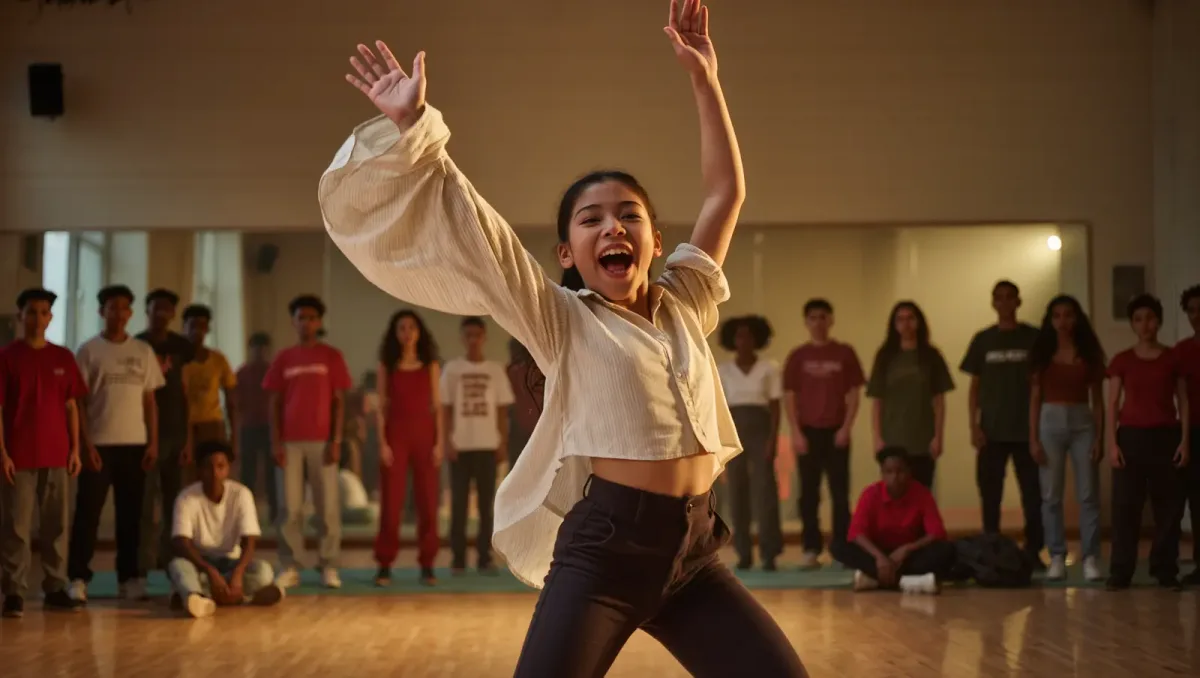
Technically, waacking trains in layers: the arms — the swinging, fanning and striking motions that give the dance its name — above a grounded disco step, with posing, musicality and character work on top. It is danced solo as much as in battle: the form prizes storytelling and an audience-facing persona as much as vocabulary. The battle economy that revived the style runs through international events and jam formats — one-on-one brackets, Best 2 of 3 rounds judged by scene veterans, and themed showcases where performance and costume carry as much weight as technique. Disco records, plus modern disco-adjacent edits, remain the musical home; DJs and MCs at waacking events follow the lineage in their programming, and battle categories at major street-dance events worldwide now include waacking as a standard discipline.
Why does terminology matter so much here?
Because the words are the history. The scene's public debates of the last two decades — over the dance's media portrayal, over naming, over who gets credited as founder versus popularizer — all run through terminology, and the community has organized explicitly around its preservation: elders teach the lineage in workshops, international events schedule history talks alongside battles, and practitioners correct conflation as a matter of respect for the gay, largely Black and Latino founders whose spaces created the dance. For journalists, promoters and studios, the working standard the community asks for is simple: name waacking as its own dance with its own origins, credit the LA pioneers, and do not use voguing as a synonym.
What should a newcomer learn first?
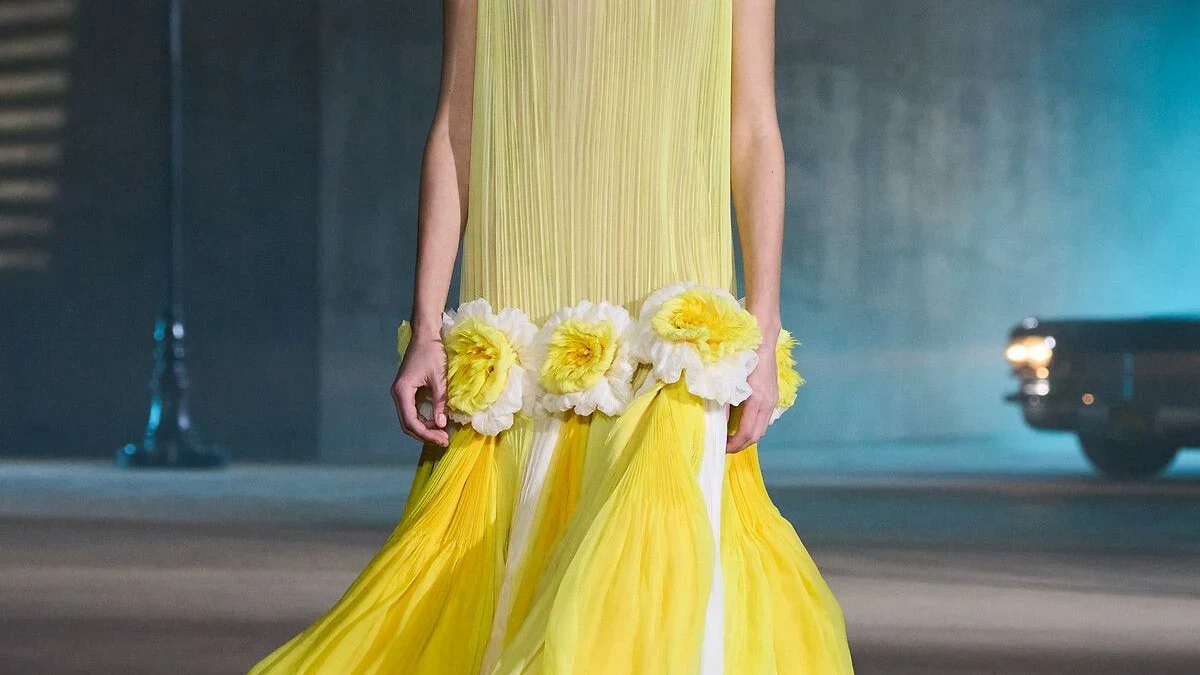
The scene's standard answer is foundations with history attached. Beginners start with the basic disco step and groove, then the arm mechanics — clean swings, overhead wraps and strikes — before adding poses and character work, ideally in classes or sessions taught within the lineage rather than distilled from short clips. Musical training is part of the curriculum: waacking dancers study disco records — breaks, string lines, vocal phrasing — because the dance negotiates the music's drama directly. Newcomers are also taught floor etiquette early: at jams and battles, the community expects respect for elders, attention to the judges' feedback rounds and an understanding that the persona you perform is part of the discipline. Fit matters too — dancers talk about sleeves, shoes and swagger as equipment, a reminder that in this form, style is technique's public face.
What is next for waacking?
The style enters the mid-2020s in a strong position: a global event circuit, a documented lineage taught at the source by the scene's elders, and a competitive presence at street-dance festivals worldwide. The community's watchpoints are continuity and credit — ensuring the pioneers' names travel with the style as it grows, and that new generations learn the history with the vocabulary. The dance's own logic suggests it will: waacking was always a performance of presence, and presence, in this scene, includes knowing whose floor you are standing on.