Why do people call a room full of strangers dancing an institution? Because the dance floor has founders, dates and house rules like any institution. David Mancuso's Loft parties began in New York in 1970 — invitation cards, one room, sound first. Frankie Knuckles' residency at Chicago's Warehouse, starting in 1977, gave a genre its name when local record shops began asking for that house music. Larry Levan's Paradise Garage ran from 1977 to 1987 with a crowd that was largely Black and queer. Those rooms — documented across decades of club history — wrote the grammar every modern dance floor uses: the DJ as curator, the long blended set, the crowd as a single body, and the unspoken etiquette of the floor.
This is cultural history reporting; scene descriptions reflect documented club histories through 2025.
What are the roots of club dance culture?
The lineage is specific. Disco's 1970s heyday put dancing at the center of nightlife, and its public image was transformed by the backlash — including the infamous Disco Demolition Night at Chicago's Comiskey Park in July 1979 — but the music and the floor practice simply moved underground, into the Loft-style parties and the Warehouse, where Black, Latino and queer dancers kept developing the style. Chicago turned the practice into records: house tracks pressed from the mid-1980s, with Knuckles' own productions and tracks like Marshall Jefferson's Move Your Body defining the sound. Detroit distilled a harder machine aesthetic into techno; New York and New Jersey's club line ran through the Garage and Zanzibar; and Britain's acid-house summer of 1988 — the Second Summer of Love — carried the warehouse-party model into a mass movement. Each room exported not just music but a floor culture: lose yourself in the crowd, respect the circle, let the night build.
What are the actual rules of the floor?
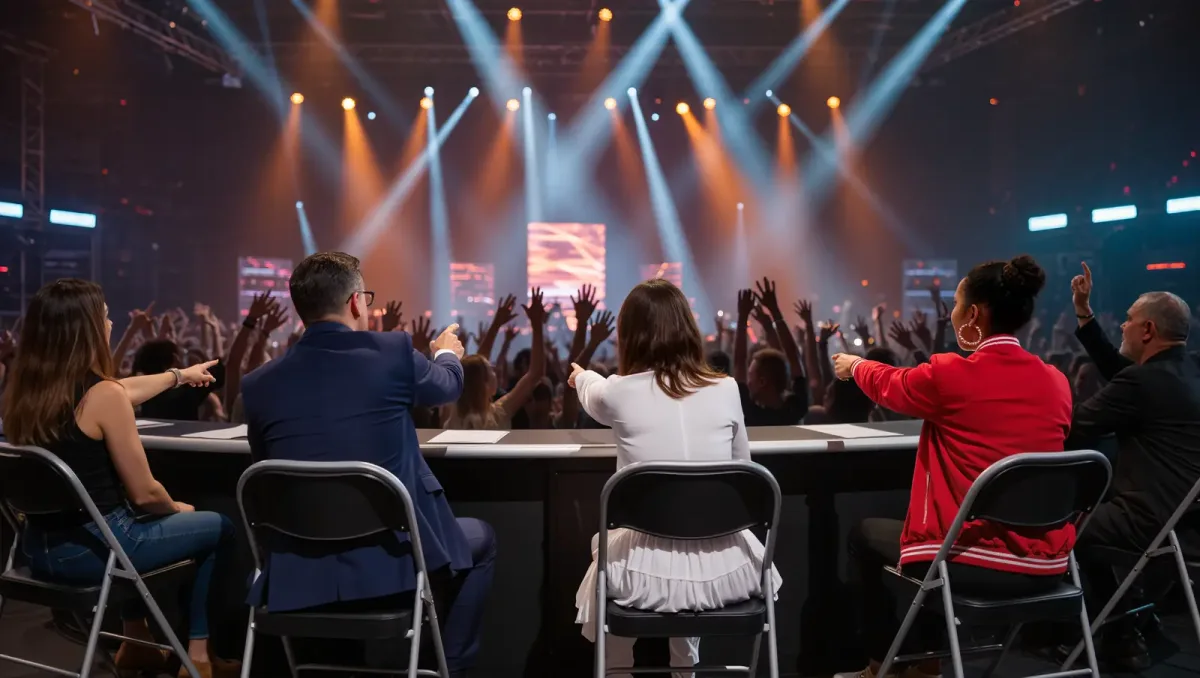
Etiquette varies by scene, but core norms repeat across club cultures worldwide. Space is negotiated with the body, not the voice: dancers claim territory implicitly and flow around each other, and a partner dance on a house floor happens in the gaps. The circle — the cypher logic imported from breaking and voguing culture — grants the center to whoever steps in, with the crowd's response as the only judge. Filming has become the modern battleground: many serious dance rooms now discourage phones on the floor, a norm Berlin's famously camera-averse clubs made global, on the argument that recording turns participants into audience. And the oldest rule stands in every scene: the dance floor belongs to the dancers, and standing spectators clustering at the rail read, in club terms, as guests who declined the invitation.
How did the floor influence the music itself?
Feedback ran from crowd to producer. House and techno built their structures around the floor's needs — intros and outros long enough for a DJ to blend, breakdowns timed to a room's energy cycle, mixes engineered for big systems rather than headphones. The 12-inch single survived into the digital era because the floor kept it alive. DJ technique codified the relationship: blending, programming a night's arc from opening to peak, reading a room hourly. Modern production tools inherited the assumptions — a track's arrangement is still, functionally, a theory about how bodies move over eight minutes.
What has changed in the streaming era?
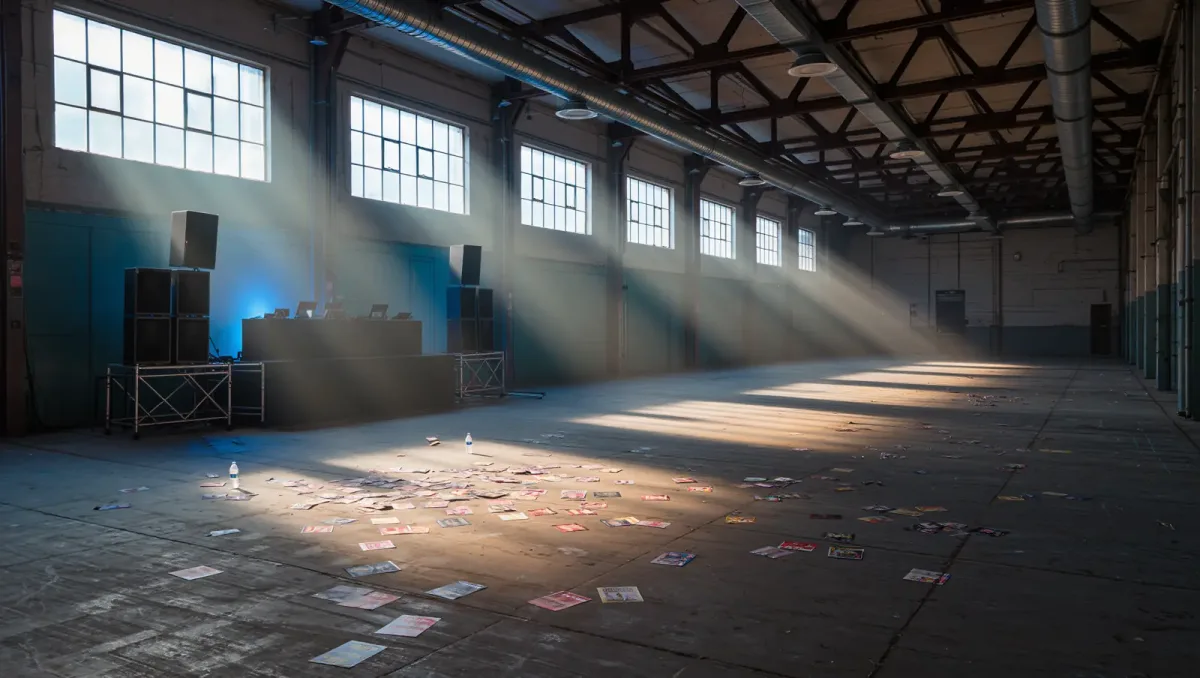
The floor's economics and its visibility. Streaming globalized every regional style — amapiano, afro house, Jersey club and dozens of hybrids move between continents in weeks — and social clips turn floor moments into marketing assets, pulling the opposite direction from the no-phones norm. Nightlife economics tightened after the pandemic: documented club closures and rising rents across major cities compressed the mid-size rooms where floor culture lives, while festival stages absorbed the demand. Scenes responded with the tools they have always had — pop-ups, lofts, after-hours rooms — because the floor's core technology needs only a sound system, a curator and a room that will have them.
Who protects the floor's history?
The archive work is largely community-run, and it is under-documented at institutional level. Pioneer DJs and dancers give oral histories through documentaries, anniversary events and panels; record collectors preserve the white labels and imports that never appeared on streaming; and club archives — flyer collections, setlist notebooks, mixer setups — change hands privately. Some institutional recognition has arrived: the Library of Congress's National Recording Registry has progressively added foundational dance records, and museums have mounted club-culture exhibitions in recent decades. But the floor's deepest knowledge — the etiquette, the partnering vocabularies, the unwritten hierarchies of a scene — transmits the way it always has: newer dancers learn it by standing next to older ones weekly, which is one more reason the physical room remains irreplaceable no matter how far the music travels online. Fifty-five years after the Loft opened its doors, that apprenticeship of proximity is still the institution's core curriculum.
What is next for dance floor culture?
The through-line from 1970 to now is intact: every generation rebuilds the room. Watch the newer movements — global club hybrids and the renewed queer ballroom-adjacent party economy — running the same playbook as the Loft: a curator with taste, a devoted floor, and culture compounding weekly. The institutions that matter remain the same ones the Warehouse proved: the floor is where scenes are formed, identities are rehearsed, and the next genre's name gets invented by a record shop asking what that music is called.