How much is one song in one TV episode worth? Anywhere from a few hundred dollars for an unsigned band to seven figures for a catalog classic, and the number is set by a negotiation most viewers never see. The documented upside is enormous: when Netflix's Stranger Things synced Kate Bush's 1985 song Running Up That Hill in its fourth season in 2022, the track reached number one on the UK singles chart 37 years after release — per Billboard's chart coverage at the time — and became a template case for what a flagship placement can do to a catalog. The machinery behind that moment is sync licensing, and it runs on a rule every artist should memorize: a sync needs two permissions, not one.
This is industry reporting, not legal advice; artists should confirm specifics with counsel or their publisher.
Why two licenses?
US copyright law grants separate exclusive rights in the sound recording and in the underlying musical composition — Section 106 rights under the Copyright Act. A TV show, film or ad synchronizes music to picture, which requires a synchronization (sync) license for the composition from the publisher, plus a master-use license for the recording from whoever owns the master — a label, an artist, or a licensor. An artist who wrote and recorded their own song controls both sides, which is why self-owned catalogs are disproportionately attractive to sync buyers: one signature clears the use. A song with five co-writers can involve multiple publishers, and all of them must agree, which is how placements die.
What do sync fees actually look like?
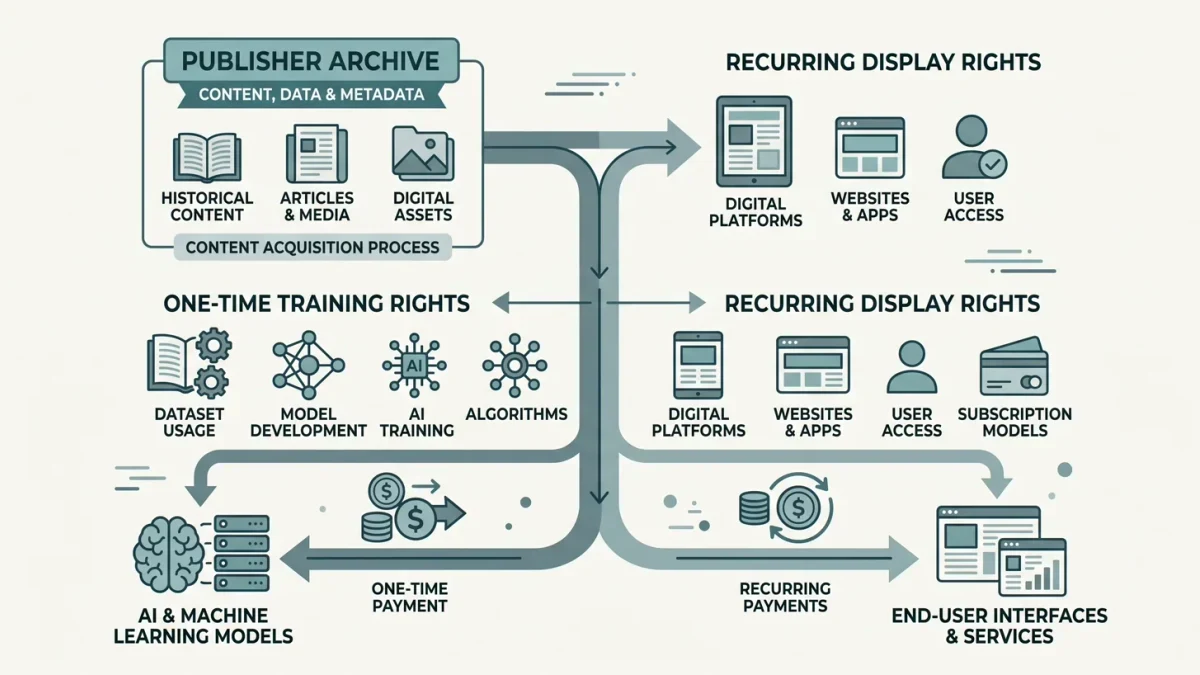
Trade-standard ranges as of 2025: an independent artist's song in a streaming-series background scene might earn $500 to $5,000 per side — and per side means the fee is often doubled, once for publishing, once for masters. Major-label catalog in a network drama runs five figures; a hit song in a national advertising campaign can reach six or seven figures. The variables are use (background versus featured, vocals versus instrumental), term, territory, media — broadcast, streaming, theatrical — and exclusivity. Advertisers pay the top of the range because they buy exclusivity and brand association, and re-licensing options let a one-year deal become a multi-year annuity if the campaign continues.
What does a music supervisor do?
Supervisors are the demand side of the market. Production hires them to translate a creative brief — scene, period, emotion, budget — into cleared music, and they manage everything from spotting sessions with the director to the final license paperwork. Their inbound pipelines include label sync departments, publisher catalogs, boutique agencies and direct submissions from independent artists; a submission that names the scene, offers a one-stop clearance — one entity controlling both sides — and provides instrumental and stems versions is dramatically easier to place. Supervisors work under industry bodies and guild associations, and their craft has become a credited, award-recognized role as streaming's volume of scripted content multiplied demand for music over the last decade.
How does an independent artist get sync-ready?
The checklist the trade repeats is unglamorous and effective. Own or control your masters and publishing, and register your works properly so a publisher search actually finds you. Have instrumental mixes, clean lyric versions and stems available. Keep metadata accurate — writers, splits, contact. List with a sync agency or library under non-exclusive terms if you also release records; exclusive library deals trade away your own release rights for placement volume. And understand what you are agreeing to: a fee quote covers a defined use, and re-use, trailer use and international streaming windows are separately negotiated items.
What happens after the placement airs?
Licensing is the start of a second accounting process. When the episode broadcasts or streams, performance royalties accrue for the composition through PROs — a featured song in a primetime or top-tier streaming drama can out-earn its original sync fee over repeated airings, which is why supervisors' choices get tracked so closely by publishers. Backend statements arrive quarterly and depend on accurate cue sheets, the production's per-episode list of every musical use; a missing or wrong cue sheet is the classic reason a placement's royalties never arrive. Artists should confirm their PRO registration matches the credited writers exactly, keep the license agreement on file, and ask the production for cue sheet confirmation at delivery — a two-minute request that protects years of income.
Why does sync hit so hard commercially?
Because it recreates radio's old discovery function with narrative attachment. The Kate Bush case is the record-setting example, but the pattern repeats at every scale: a placement attaches a song to a scene audiences replay, streaming algorithms then do distribution, and the catalog re-enters charts and playlists. Labels and publishers now structure release campaigns around sync potential — pitching upcoming singles to supervisors months before release day — and the sync income line has grown into a material share of publisher revenue, a shift trade reporting has tracked across the streaming era.
What is next for the sync market?
Three pressure points are live into 2026 and beyond: generative AI tools producing briefable production music, which pushes human-composed catalogs to compete on identity and provenance; the consolidation of streaming content slates, which concentrates placement demand into fewer, bigger shows; and metadata standards fights, since clearance failures increasingly trace to bad writer splits. The advice that survives all three: a clean, well-documented, one-stop catalog is the asset every buyer wants and every negotiation rewards.