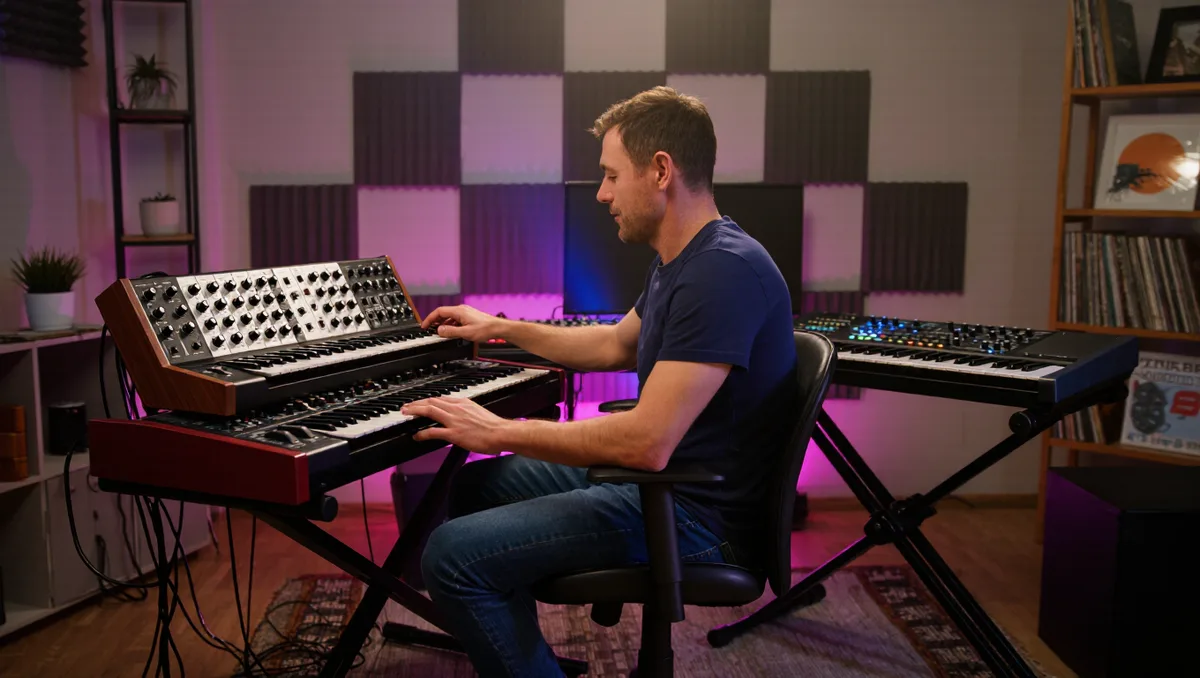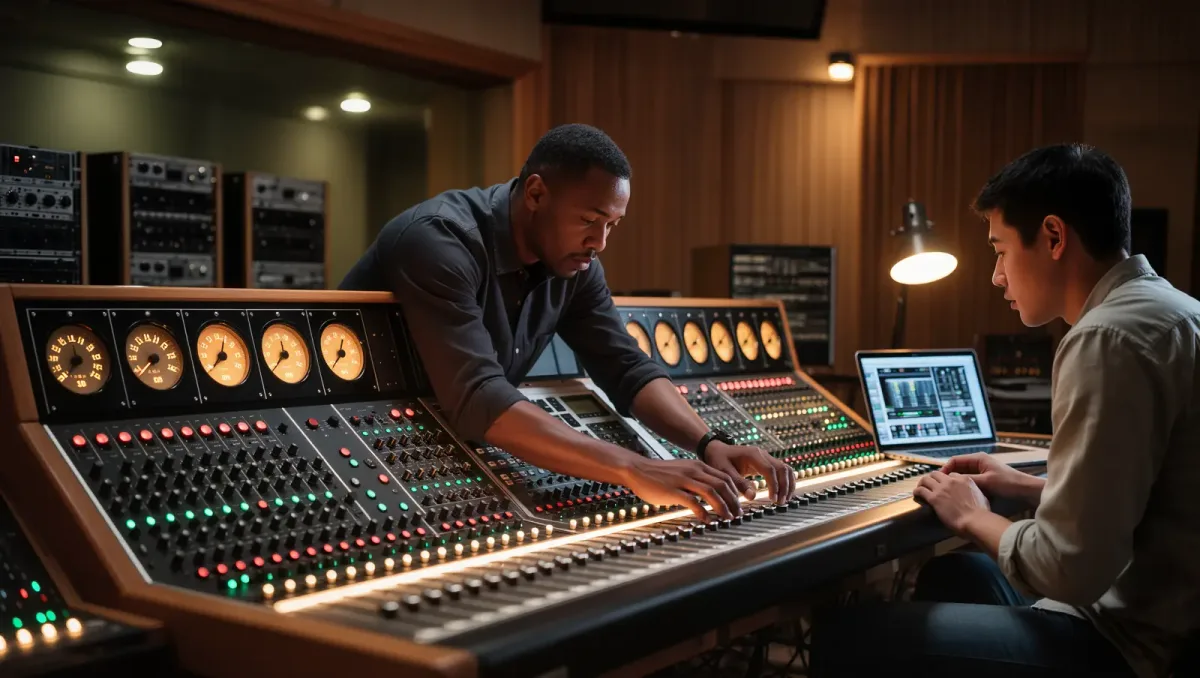
Why does the same recording sound bigger, clearer and more expensive after a professional mix? Because mixing is a decision discipline, not a plugin chain. The mix engineer takes a session of raw tracks — drums, bass, guitars, keys, vocals, sometimes over a hundred files — and decides the level, tone, space and movement of every element against every other. The craft's commercial weight is visible in the credits: mixers like Serban Ghenea and Manny Marroquin have collected multiple Grammy wins and their names sit on hundreds of chart-topping records, because at the top of the market, the person behind the console is a named creative credit like a producer. For independent artists, understanding what that person actually does is the difference between paying for value and paying for hope.
What are the actual stages of a mix?
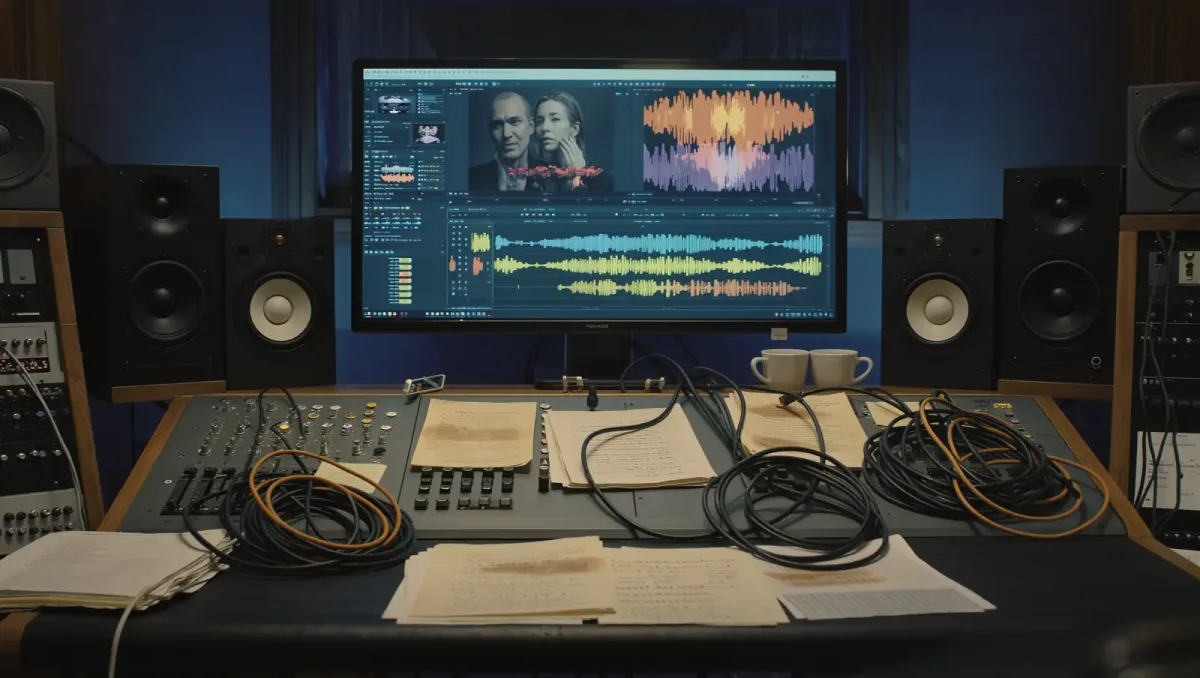
Working engineers describe a sequence. Session prep first: comping, tuning, timing cleanup and labeling, often billed separately. Then the balance — a static pass setting faders and basic EQ so the song reads at a glance. Then the creative layer: compression choices that give drums punch or glue a vocal, reverb and delay throws that place elements front to back, and parallel processing for density. Then automation, the most underrated stage — volume, filter and effect moves written bar by bar so a chorus lifts and a verse breathes. Finally revisions and deliverables: the main mix, radio edit, instrumental, TV track, stems for future remixes, and a loudness-appropriate master-ready bounce. A single song commonly generates eight to twelve deliverable files.
Why does analog gear still matter?
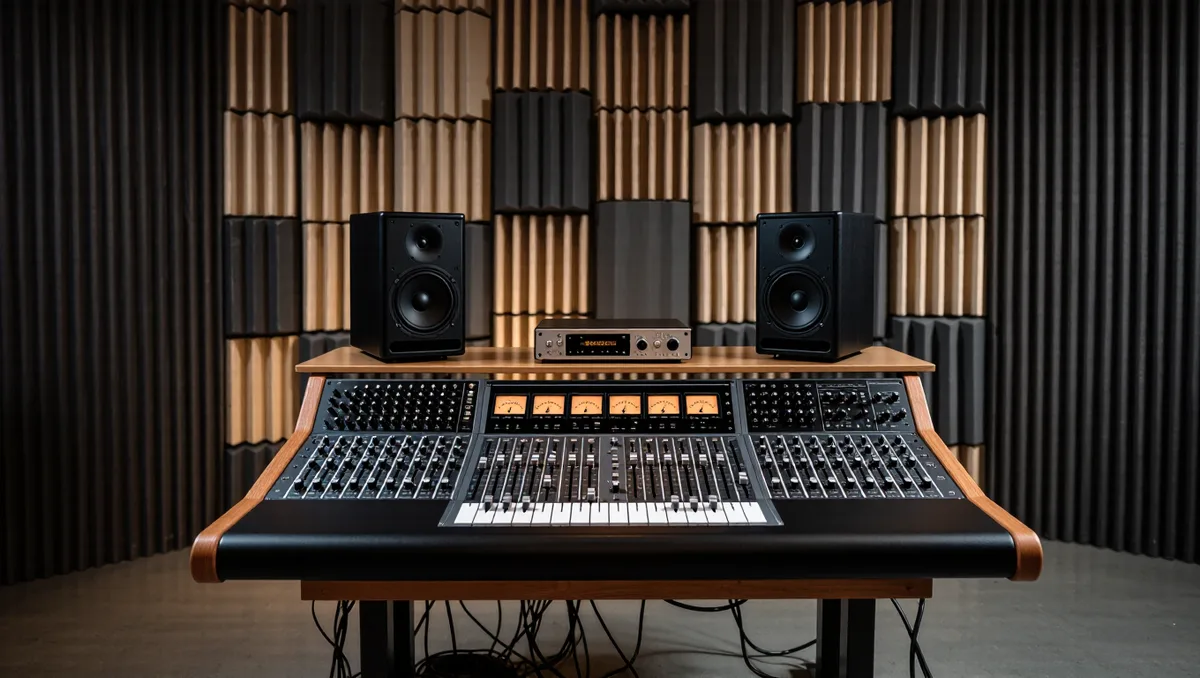
It matters less than marketing suggests, and more than purists admit. Modern in-the-box mixes — done entirely inside a DAW — dominate by economics: recall is instant, revisions are free of setup time, and plugin processing rivals hardware on measurements. But many A-list rooms still run hybrid chains: console summing or two-track analog processors that add harmonic saturation and a stereo image engineers describe as depth. The honest trade framing is workflow plus a documented preference at the mastering stage, not magic. What genuinely separates mixes is monitoring (an engineer who knows a room's translation to earbuds and cars), and taste accumulated over thousands of songs.
How much does a professional mix cost?
The spread is enormous. Independent engineers mix for $150 to $500 per song; established credits run $1,000 to $3,000; mixers with multiple hit credits have historically commanded $5,000 to $10,000-plus per song on major-label projects, per long-standing trade reporting. What drives the number: the engineer's credit list, revision policy — most contracts include two or three revision rounds — and deliverable scope, since stems and alternate mixes add time. Artists buying a mix should ask three questions before rate: how many revisions are included, what deliverables arrive, and who pays for a recall months later when the label wants a change.
How is a mix different from mastering?
Mixing balances elements inside a song; mastering finalizes across songs and formats. A mastering engineer takes the finished mix, applies surgical EQ and limiting for competitive loudness, sequences an album's spacing and levels, and delivers format-specific masters for streaming, vinyl and CD — each with different technical ceilings. Streaming platforms normalize to target loudness, which changed mastering practice: over-limited masters that win a loudness war on one platform get turned down and sound flat on another. The two roles stay separate by design — fresh ears on a finished mix catch problems the mix engineer has stopped hearing.
Why do engineers chase translation, not perfection?
A mix succeeds when it survives every playback system it will meet: club systems, earbuds, laptop speakers, car stereos. Engineers test on multiple references for exactly this reason, and the professional discipline is checking the mix at low volume, on single drivers, in mono — each exposing different masking problems. The pop canon proves the stakes: a vocal buried under a chorus or a snare that disappears on phones is a song that underperforms regardless of songwriting, and artists hear those flaws only after release, when fixing them means a recall, a remix and a new release schedule.
Should an artist mix their own record?
Plenty of artists do, and the tools make it viable — but the case for outside ears is about psychology as much as skill. After weeks inside a session, an artist stops hearing the bass drum and starts hearing the intention; an engineer with fresh context catches the masking and balance problems in one pass. A practical middle path works for many budgets: mix yourself for demos and use a hired mix only for singles and album cuts, spending where the audience will actually notice. Trade convention puts the split that way for a reason — release-day attention concentrates on a handful of songs per year, and a $400 mix on the one song that matters is a better use of budget than $400 spread across twelve.
What is next for the mixing craft?
The changes to watch into 2026 and beyond: AI-assisted tools now handle first-pass balance and stem separation, which compresses the prep stage assistants used to bill for; spatial mixing for surround and immersive formats has opened a services line beyond stereo; and rate pressure at the entry level keeps pushing early-career engineers toward production and mixing bundles rather than service-only pricing. The durable part of the job is the part automation touches last — taste, revision judgment and a relationship with an artist's catalog. The engineers who last are the ones whose name an A&R executive asks for by habit.