Who actually puts on a concert? Not just the artist on stage — a touring crew of eight to forty specialists whose show repeats in a different building every night. Federal wage data gives a floor for the craft: the Bureau of Labor Statistics puts median pay for broadcast, sound and video technicians at just over $50,000 a year in its most recent published data, but touring rates work differently — weekly paychecks, per diems and negotiated deals that trade months on the road for income far above the national median. Understanding each role explains why a ticket costs what it costs, and why the crew bus is where tours are actually won.
What does each core crew job do?
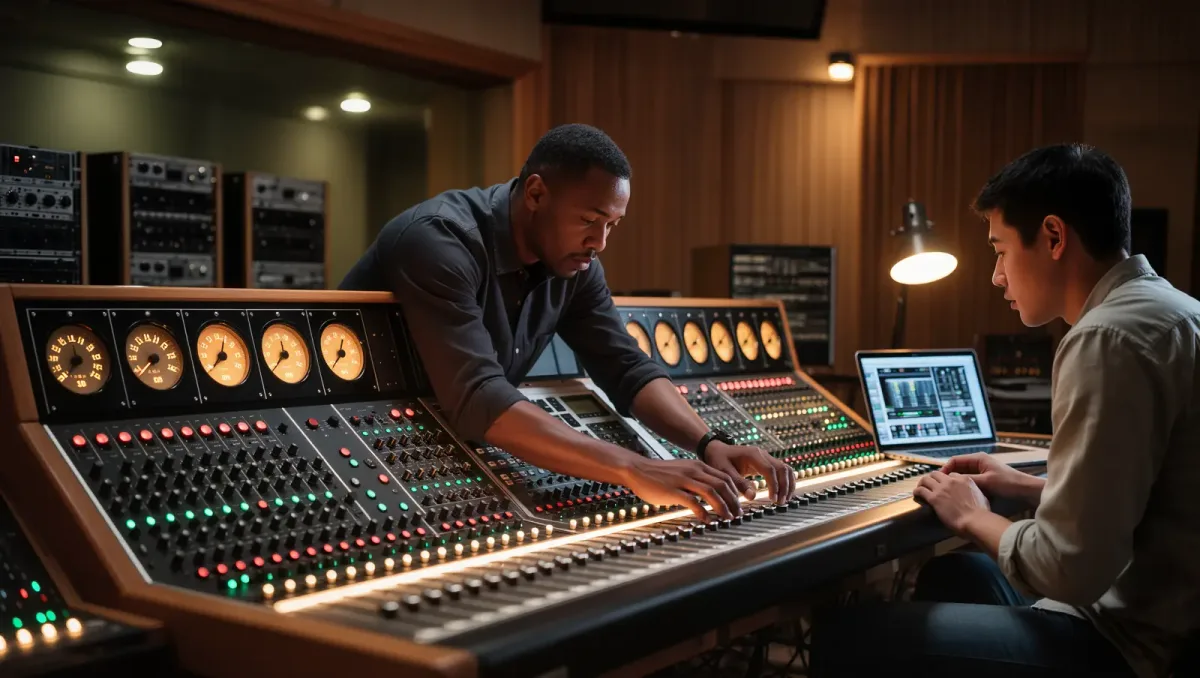
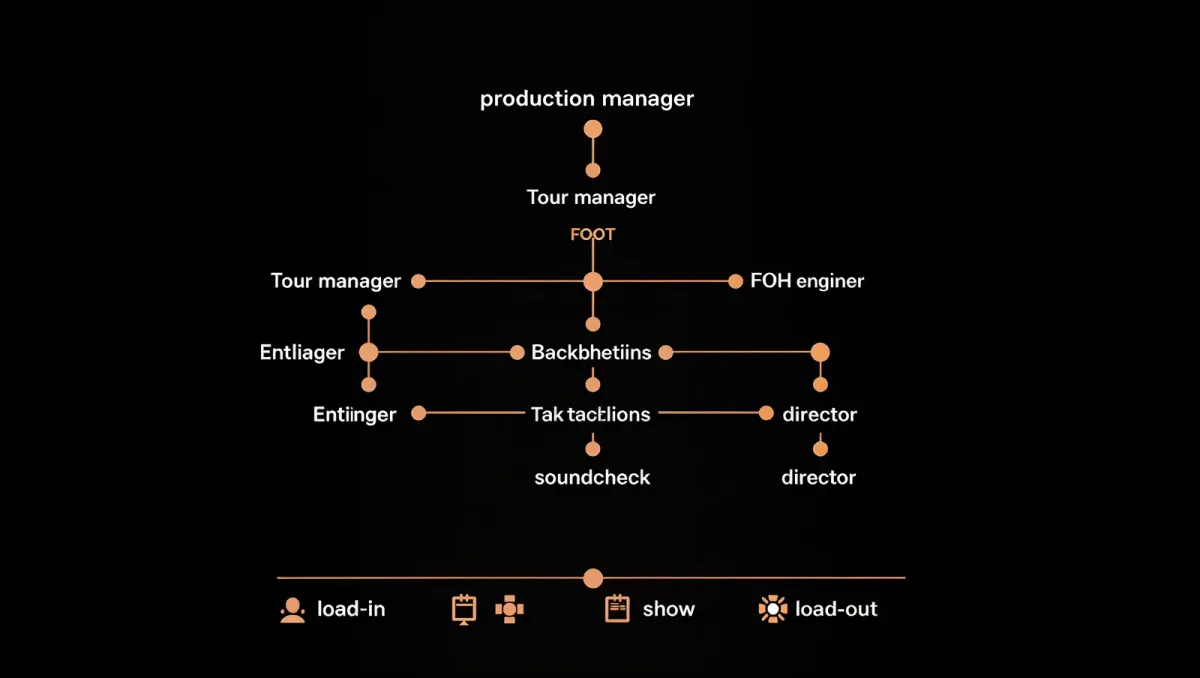
The tour manager runs logistics: travel, hotels, load-in schedules, settlement — the nightly financial reconciliation of the show's ticket guarantee and expenses with the promoter. The front-of-house (FOH) engineer mixes the show for the audience, and re-mixes it every day because no two venues sound alike. The monitor engineer handles what the band hears on stage, a separate mix for every musician, in ears or wedges. Backline technicians maintain the instruments and amps — a drum tech tunes and changes heads daily; a guitar tech re-strings, tapes set lists and catches thrown guitars. The lighting director runs the show's visual design from the desk, often programming hundreds of cues. Above them, a production manager plans the routing, budgets and vendor contracts that make 100 shows in 120 days possible.
What do touring crew jobs pay?
Trade-reported ranges as of 2025: club- and theater-level touring pays crew roughly $200 to $400 a day plus per diem; arena-level specialists earn $500 to $800 a day; touring managers and production managers on major tours can negotiate five figures a week at the top. The variability is the point — pay tracks the artist's level, the crew member's specialization and the union or non-union nature of the routing. IATSE, the stagehand union, covers many venue-side loads in the US, which sets local rates for the local labor every tour hires per city. The trade-off crew accept is time: a typical arena tour runs three to eight months, and lifestyle attrition — relationships, health, sleep — is the industry's acknowledged labor cost.
What is a technical rider, and why does it matter?
The rider is the show's contract with reality. A technical rider specifies power, stage dimensions, sound equipment, lighting rig and crew counts the artist requires; the hospitality rider covers food, transport and dressing rooms. Promoters read riders months out and either confirm the requirements or propose substitutions, and the advance process — email exchanges between the tour's production team and each local venue — resolves every deviation before the trucks arrive. A rider that is unclear shows up as a bad show: a support act's set collapsing into changeovers, or a FOH engineer mixing on speakers the venue substituted without telling anyone.
How does a show adapt to a different room nightly?
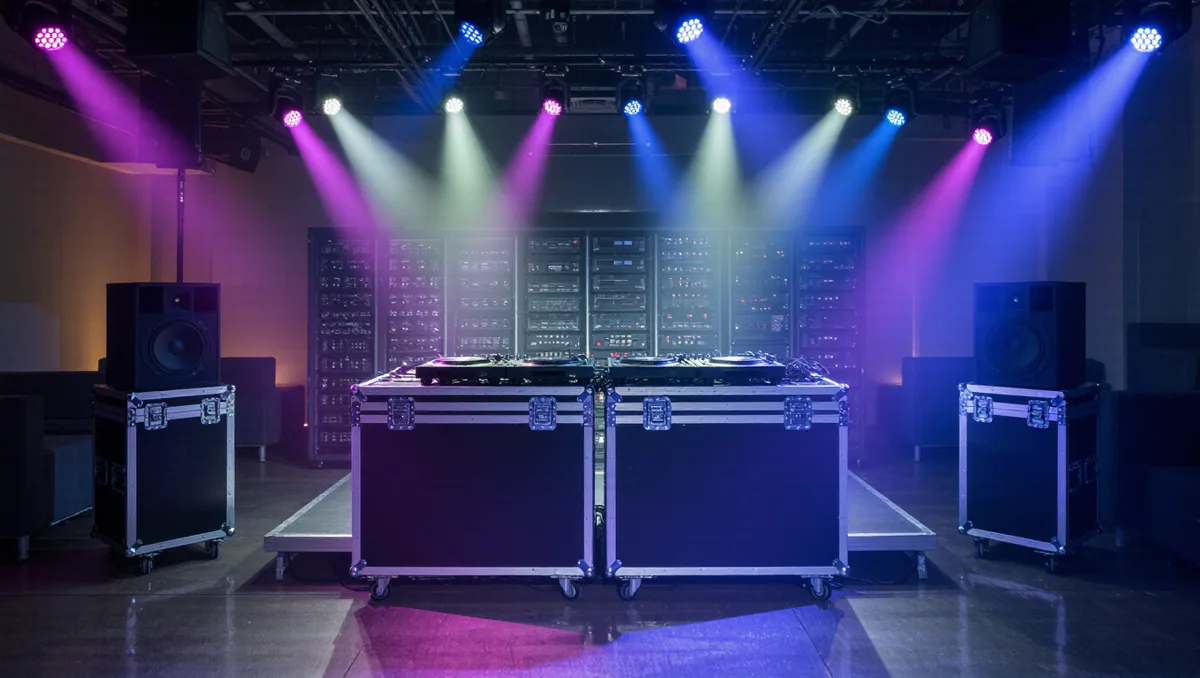
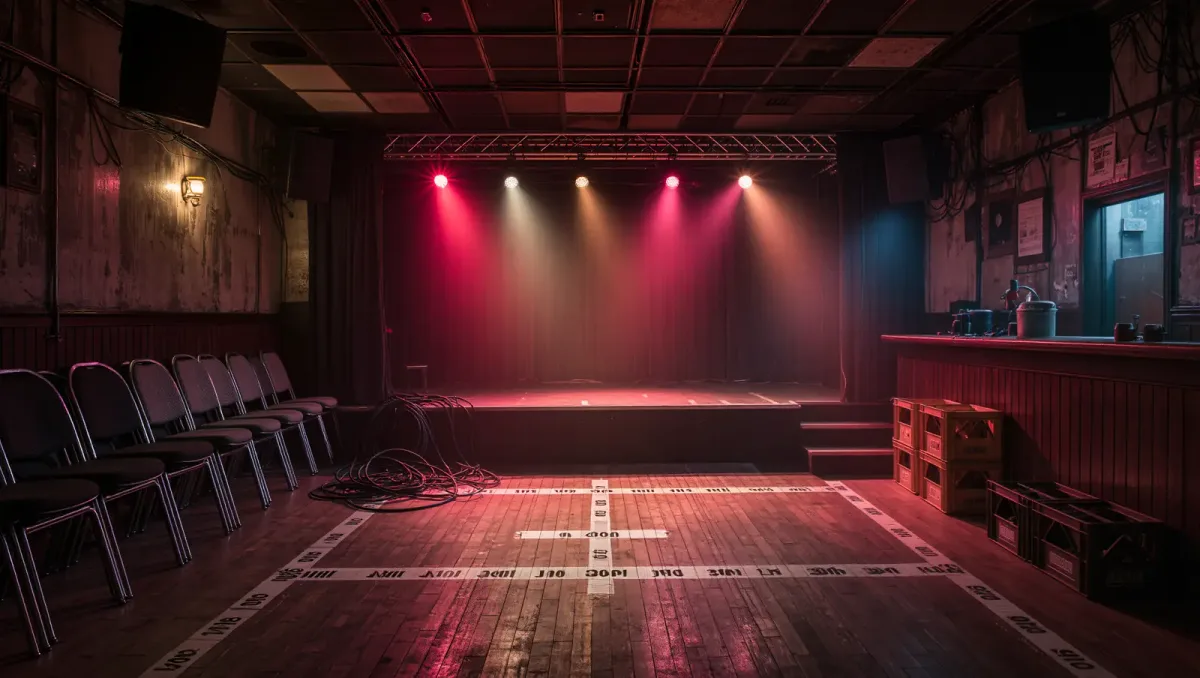
Repetition disguised as improvisation. Load-in follows a printed plan: trucks back in at a scheduled hour, risers and PA fly first, backline lands last, soundcheck runs off a day sheet printed at 6 a.m. The FOH engineer walks every room at soundcheck, listens for problem frequencies and adjusts the day's mix off the previous city's session file. Show files — console sessions, lighting cue stacks, monitor mixes — travel with the tour and get updated nightly. The professionalism looks invisible from the seats precisely because it is rehearsed: a 90-minute show that moves four trucks and 20 people is a logistics product as much as a musical one.
How do crew actually live on the road?
The bus is the housing plan. Crew sleep on sleeper buses — bunks stacked two high, a lounge, a small galley — driving overnight between cities while the artists' bus runs a parallel route. Days off are laundry and hotel days; meal per diems ($40 to $60 a day at US arena level, per trade norms) cover the rest. The culture has its own rules: quiet hours around bunk sleep, a hierarchy of bus calls, and the shared understanding that the next morning's load-in happens regardless of the night before. Industry initiatives on crew welfare — mental health resources and petitioning for tour sustainability — grew visibly after the pandemic restart, when touring returned with higher costs and thinner margins for everyone on the bus.
How does someone get the first crew job?
The entry paths are unglamorous and proven. Local stagehand calls through union halls and regional companies teach load-in basics on other people's shows; venue house-engineer slots build mixing hours on any act that walks in; and personal networks — the intern who solves a problem quietly on load-in — convert into offers when a tour needs a fifth body. Trade schools and audio programs feed the technical side, but veteran crew consistently credit temperament over credentials: punctuality, silence on headset, keeping cables coiled and opinions about the artist to yourself. The progression runs from local crew to a small-act tour, and the jump from club level to arena level happens fastest for specialists, because a great drum tech or monitor engineer is rarer than a generalist.
What is next for touring crew?
The labor market has tightened into the current cycle: the post-2021 touring boom outstripped the trained crew supply, pushing day rates up and pulling skilled engineers off venue staffs and onto the road. Watch for three developments: formal training pipelines and certification programs expanding to replace the old apprenticeship path; sustainability requirements — electrified trucks and buses on some European routings — changing the load-in playbook; and continued rate pressure as tours price crew costs into ticket tiers. For anyone considering the path, the entry advice from working veterans is consistent: learn a specialty deeply, be early to load-in, and keep the resume of credits current — in this industry, the last tour is the only credential that counts.