Why does electronic music, more than any other genre, run on labels of one to five people? Because the genre's infrastructure was built that way. Detroit techno grew out of three teenagers from Belleville, Michigan — Juan Atkins, Derrick May and Kevin Saunderson — whose school-party tapes became a worldwide genre, and Chicago house took its name from a single club's warehouse parties where Frankie Knuckles DJed. Neither scene waited for label infrastructure; the scenes built their own, and the template persists. A modern electronic label is frequently one person with a distributor account, a sleeve designer and a pressing broker, operating on runs so small that major-label accounting cannot even see them.
This is industry reporting, not business advice. Trade figures cited are as of 2025.
What does a tiny label actually release?
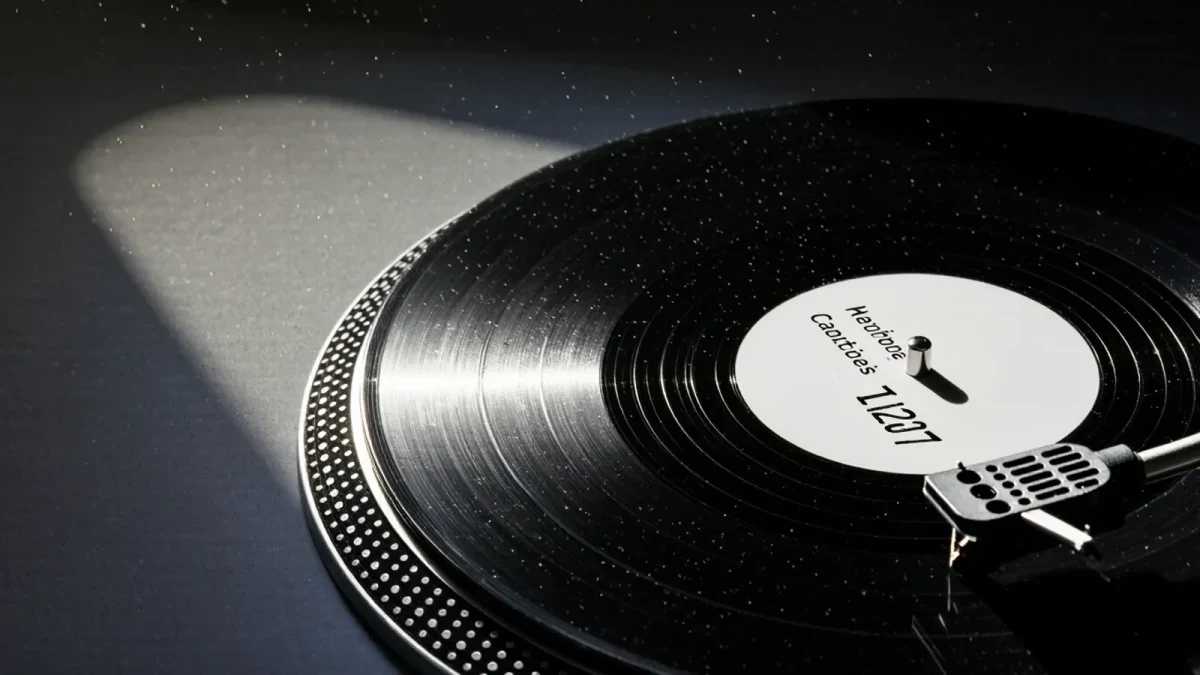
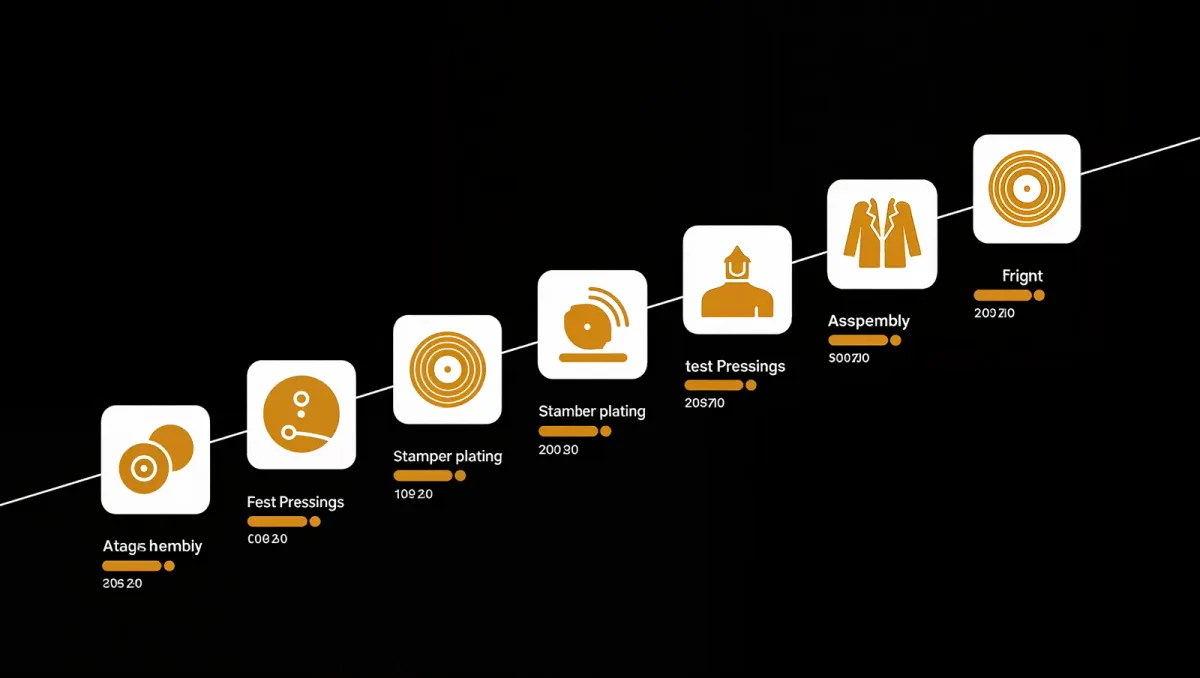
The unit of the scene is the 12-inch single, and runs have shrunk with demand for DJ vinyl: micro-labels commonly press 100 to 300 copies, sometimes via white-label services with no printed artwork at all. Above that sits digital distribution — an aggregator account puts the same record on Beatport, Spotify, Apple Music and Bandcamp for little or no upfront cost. The economics are deliberately unglamorous: a 200-copy pressing at collector pricing of $14 to $18 can recoup plate work and pressing in a single sell-through, funding the next release. That release-by-release bootstrap is the genre's equivalent of label development, and it explains why electronic catalogs run dozens of catalogue numbers deep under names most streaming listeners have never seen.
How do white labels and test presses still matter?
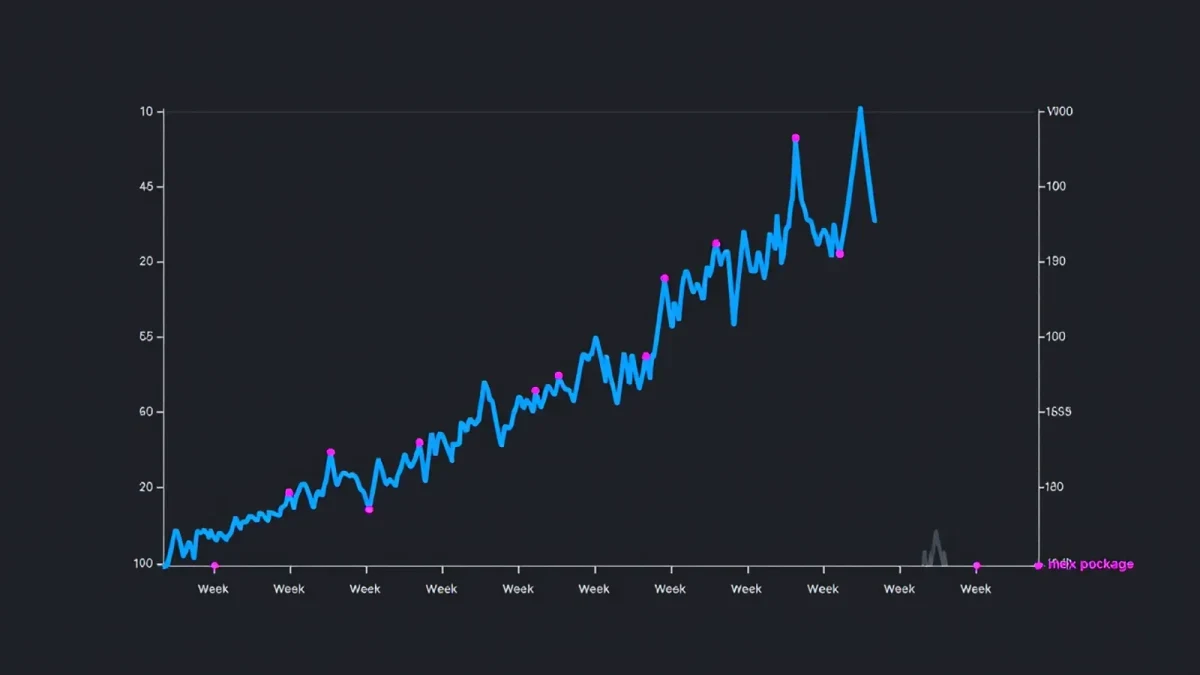
White labels — records pressed without printed labels — began as test pressings and pre-release tools, then became their own culture: unreleased tracks pressed for a small circle of DJs, tried on dancefloors before any official release. The practice shaped how the scene measures music: a track earns its status on a floor, not in a boardroom, and the modern pipeline preserves the logic. Promos go to working DJs weeks before release; Beatport chart positions aggregate DJ sales as a public signal; dancefloor response on clips drives the streaming afterlife. A small label's A&R process is still, functionally, a room of dancers.
Where does the money come from and go?
Three revenue lines dominate. Vinyl sales to collectors and DJs, concentrated in release windows and Record Store Day cycles. Digital sales, where Beatport serves the working DJ market and Bandcamp serves the collector market — Bandcamp reported crossing $1 billion paid to artists and labels cumulatively back in 2021, and its Bandcamp Friday initiatives, which waive the platform's revenue share, became fixed dates in the electronic calendar. And performance royalties, where electronic music has a structural advantage: DJs' setlists generate publishing royalties through societies, and the shift to digital DJ performance reporting has been a live issue for collecting organizations for a decade. Label deals in the scene are correspondingly lean — commonly a one-release license rather than a multi-album contract, with the label taking a share of sales in exchange for pressing, distribution and promo work.
How does the promo circuit actually run?
A small label's week after a record is scheduled follows a rhythm that has barely changed since the CD era, only the channels have. Record pools and DJ promo services receive the track first; working DJs chart what they play, and those charts aggregate into the signals other DJs watch. The label sends a short press note — key artists, remix credits, one-line scene positioning — to specialist radio and streaming playlist submitters. Streaming pitch windows go in at least a week ahead of release. None of this requires money so much as reliability: promo lists decay fast, and the labels that consistently place tracks are the ones that answered the last DJ who emailed. In a scene built on trust networks, responsiveness is the marketing budget.
Why hasn't the major-label system absorbed the scene?
Majors have tried — dance imprints sit inside every major group — but the structure resists consolidation for two documented reasons. First, the product cycle is wrong: a genre where a white label can be obsolete in six weeks does not fit an 18-month album campaign. Second, the trust networks are local: bookings, afterparties and record pools run on scenes anchored in cities — Detroit, Chicago, Berlin, London, Johannesburg's amapiano circuit — and a five-person label embedded in one city moves faster than a distant A&R department. What majors do capture is the top of the pyramid: crossover artists and catalog acquisitions of classic house and techno back-catalogs, which trade at premiums precisely because the DIY system undervalued them originally.
What breaks small labels?
The same things that break small venues, plus one. Pressing costs and lead times hit micro-runs hardest, since plate work is a fixed cost against tiny unit counts. Distribution and payment minimums strain cash flow. And the one unique vulnerability is the DJ economy itself: when clubs close or booking budgets shrink, DJ vinyl sales and the promo circuit that drives a label's visibility shrink with them. The labels that last tend to diversify into events, sample packs and mastering services — a one-person label with two revenue lines survives a bad year that would end a pure record seller.
What is next for the DIY sector?
The current wave to watch is the regional one: amapiano, global club hybrids and Latin electronic scenes are running the same white-label-to-streaming playbook that Detroit and Chicago invented, with distribution access that earlier generations never had. The Library of Congress's National Recording Registry has progressively recognized the genre's foundational records, institutionalizing what the scenes always knew. The infrastructure has not changed since the 1980s — it has only gotten cheaper, and the next classic catalog is being bootstrap-pressed somewhere right now.