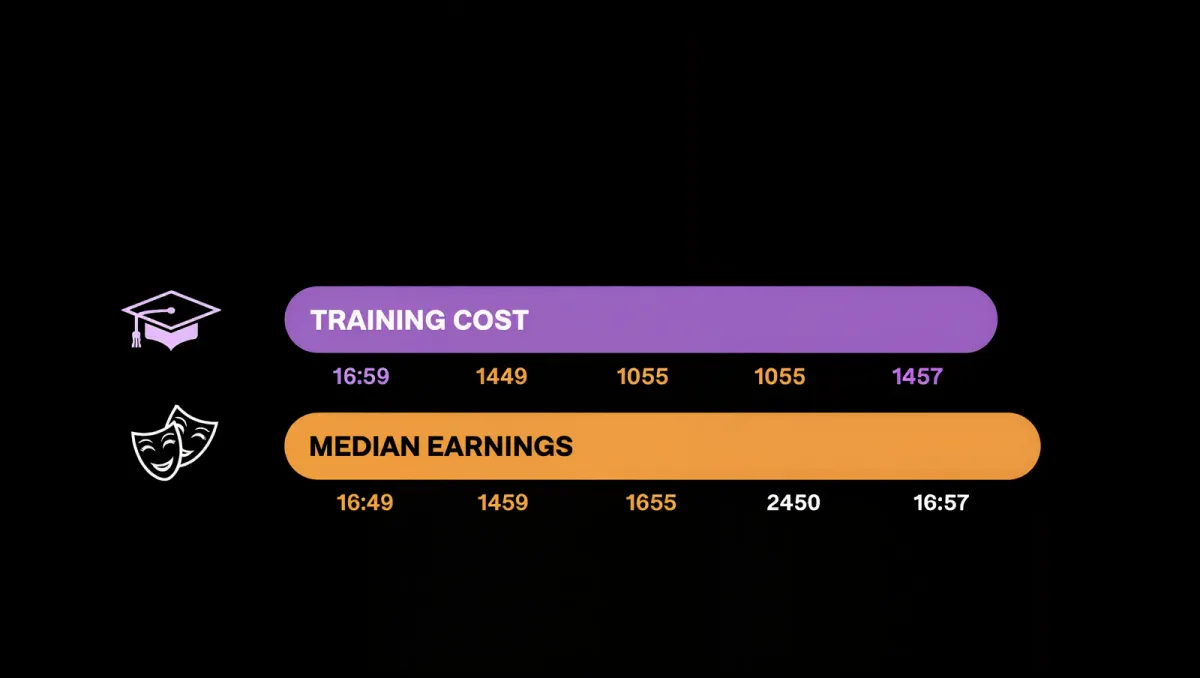
Conservatory training is the most expensive on-ramp to the least predictable income in the arts: four-year private drama programs in the US routinely publish total attendance costs above $200,000, while the federal Bureau of Labor Statistics puts the median annual wage for actors at roughly $30 an hour of often part-year work in its latest occupational data. The gap between those two numbers is the whole drama-school debate. This piece publishes information, not advice.
What does drama school actually cost?
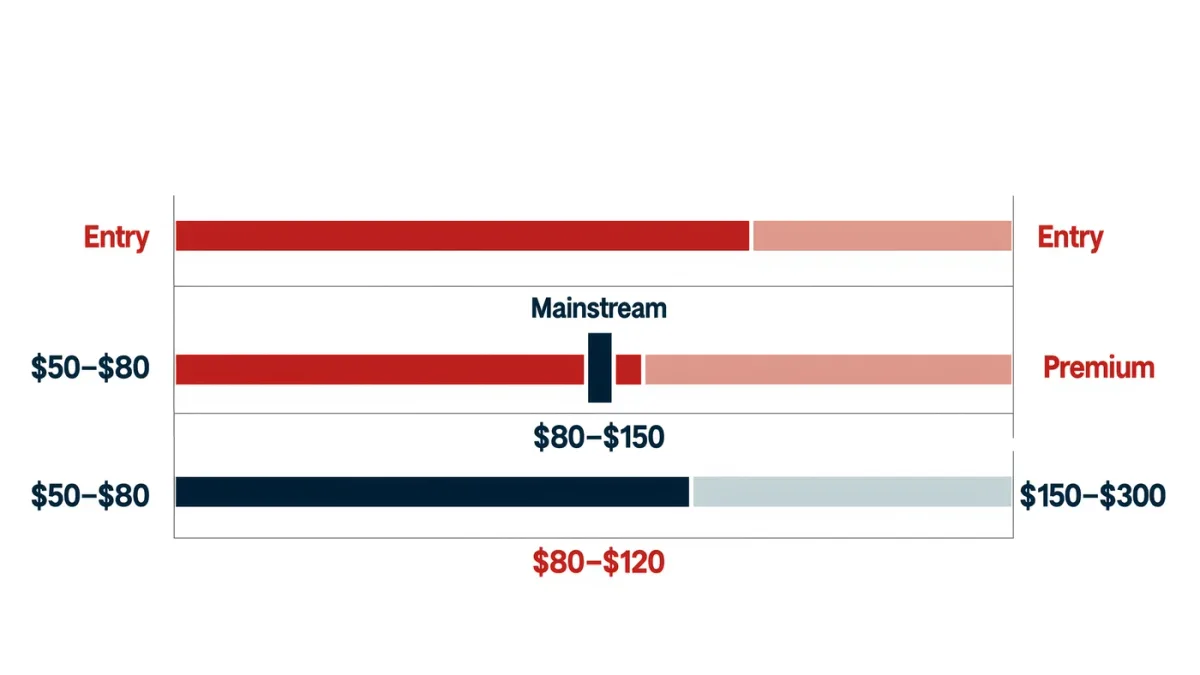
Cost splits by track. A four-year BFA at a private US conservatory publishes sticker prices above $60,000 a year once housing is included; public university BFA programs run far lower for in-state students; two-year conservatory certificates compress tuition but not living costs. In the UK, three-year drama school courses charge capped domestic tuition and loan support through Student Finance, which is why British training admissions run through highly competitive auditions — thousands of applicants for dozens of seats at the best-known schools. New York and Los Angeles studio programs — Meisner, Stanislavski-lineage and on-camera tracks — price in the thousands per term on a part-time model, a middle path for working adults.
What does the training buy?
Three assets, only one of which is technique. Technique: voice, movement, text analysis and scene study that self-taught actors struggle to assemble alone. Network: a graduating class and faculty who become the first contact web in a business run on referrals. Credential signaling: in UK theatre casting, a drama school name still functions as a fast filter on submissions; in US on-camera work, the credential matters less — casting offices read tapes, not diplomas.
What does federal data say about outcomes?
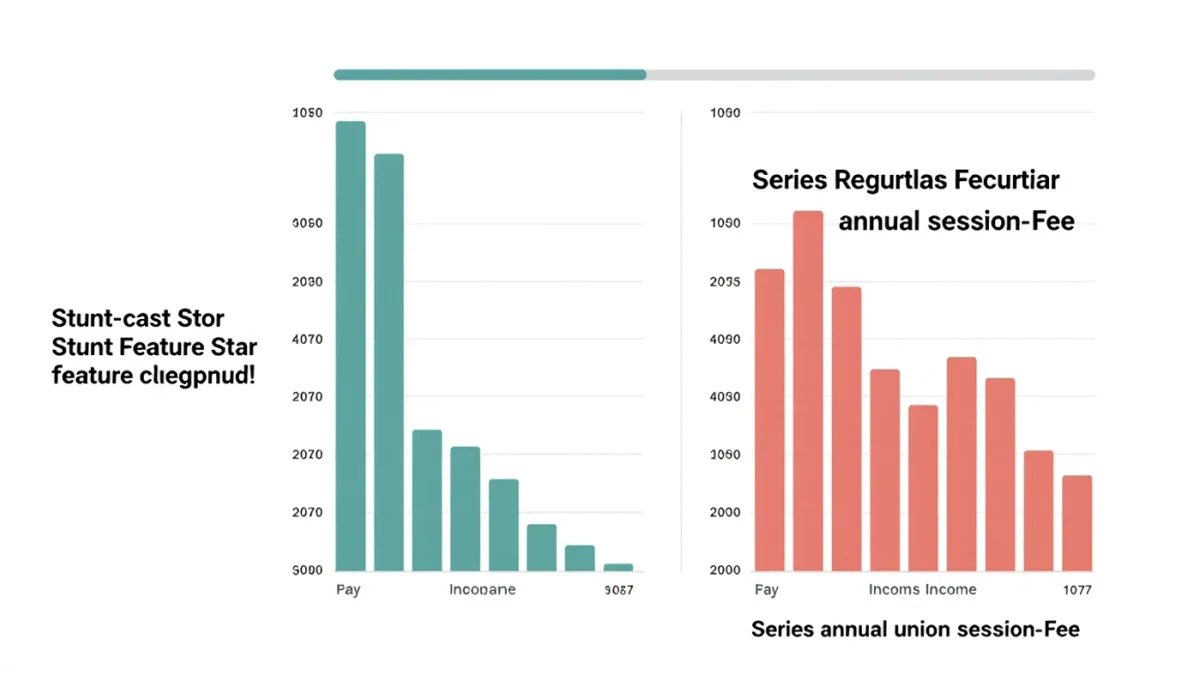
The Bureau of Labor Statistics projects about flat employment growth for actors over the coming decade and counts median earnings that reflect part-year work: most working actors supplement with other income. The BLS's own occupational profile notes formal training pathways run through both degree programs and long-term on-the-job experience — the data support training, without promising a return on any specific tuition bill. The federal College Scorecard, which tracks earnings by institution and program, shows wide variance across drama programs at different schools, a free dataset worth consulting before any enrollment decision.
Who should skip the degree?
The documented alternatives: working actors who came up through improv theaters, regional theatre apprenticeships, background work and on-camera classes — building credits while keeping tuition at zero. The self-tape era lowered the training floor further, since casting now judges bedroom recordings, and online coaching sells by the session. The degree's edge concentrates where it always did: theatre casting, Shakespeare-heavy stages, and the alumni network effect in London and New York.
How do working actors fund training without debt?
Stacked models: union membership fees buying access to workshops, per-term studio classes alongside day work, summer intensives, and apprenticeships at regional theatres that pay modest stipends for season-long exposure. The decision rule most working professionals articulate in interviews is cash-flow based — never borrow the full private-sticker price against median actor earnings.
What is next for actor training?
Fall audition cycles for 2027 intake are being scheduled now, and program applications open within weeks. The durable math for any applicant: price the program against federal program-level earnings data, count the network as the asset, and remember that the tape is still the credential casting actually watches.
What do admissions actually test?
Trainability more than polish. Conservatory auditions typically ask for contrasting monologues, a song for musical programs and an interview, and panels describe their real criteria as coachability — whether the applicant responds to adjustment in the room. Acceptance rates at the best-known programs run in the low single digits, comparable to elite academic institutions, and waitlist dynamics push many qualified applicants toward the second tier of programs, where outcomes data vary widely. Financial aid changes the calculus more than ranking: a merit scholarship at a strong regional program can beat a full-price offer from a famous name on pure economics, and the federal College Scorecard lets applicants compare debt and earnings by program before signing. Audition coaches recommend applying broadly — six to ten programs is a common cycle.