A working voice actor can record four sessions in one day across four industries — an animated series, a game patch, a commercial read and an audiobook chapter — and never appear on screen once. The market is large and fragmented: audiobooks alone became a multi-billion-dollar US publishing segment over the past decade, per the Audio Publishers Association's sales surveys, and every one of those titles needed a narrated performance. This piece publishes information, not career advice.
What are the main segments of voice work?
Five buckets dominate US bookings. Animation and games pay the highest session rates and are the most competitively cast, run through the major studios and publishers. Commercial voiceover remains the volume business, with session fees plus usage cycles that renew as campaigns extend. Promo and trailer work is a small, steady roster of established voices. Audiobooks pay per finished hour, a rate that rewards endurance and clean reads over star casting. Corporate e-learning and dubbing round out the volume tier, with dubbing growing as global streamers localize more content.
How are sessions booked and paid?
Union work runs under SAG-AFTRA agreements: animation and game sessions carry negotiated scale rates, commercials carry session fees plus usage-based payments that recur as the campaign airs, and non-union bookings — heavy in e-learning and indie games — price per project. A typical animation session records a cast together or individually for two to four hours; a game role can stretch across months of pickup sessions as scripts revise. Audiobook narrators on union deals bill per finished hour, while most narrate non-union at negotiated per-hour or per-title rates, often from home studios they built and maintain themselves.
What does a voice demo need to prove?
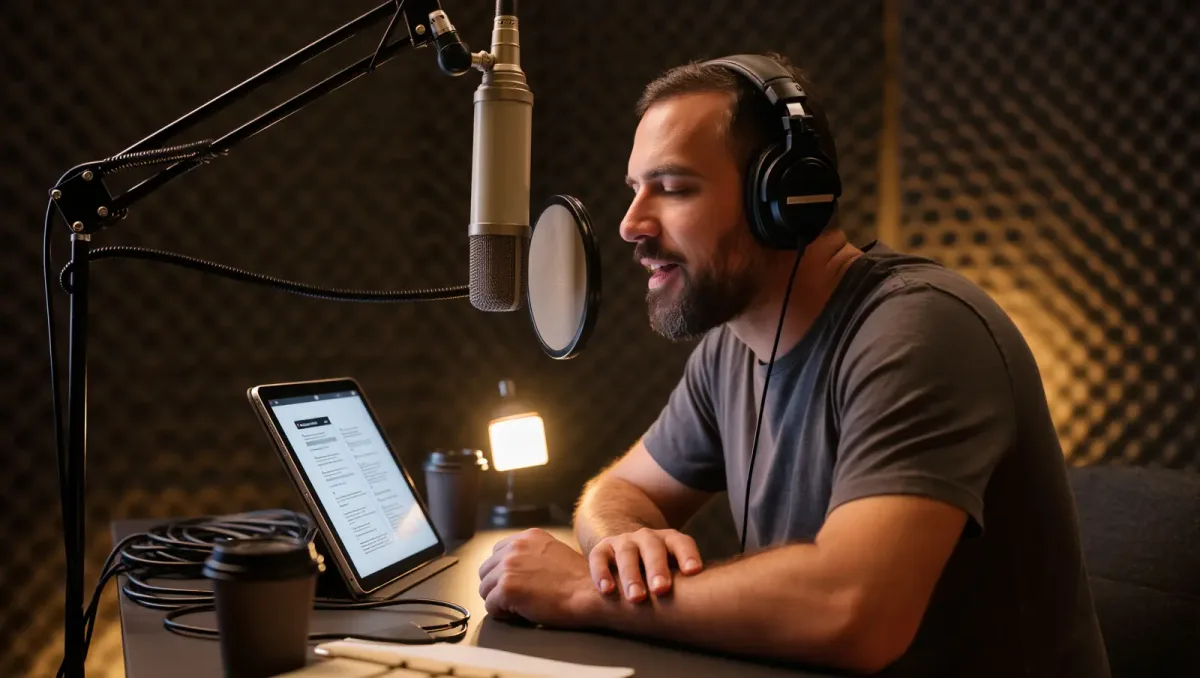
Casting through agencies listens for range within a niche, not range overall: a commercial demo proves conversational authenticity across thirty-second reads; an animation demo proves distinct, sustainable characters; a game demo proves combat sounds, exertion and grounded narration. Producers consistently note the same standard in industry interviews — each cut must sound like booked work, not a showcase, and a weak second half kills the whole reel. Home studio quality is now table stakes: most auditions and much session work happen in treated closets with broadcast-grade microphones.
How does casting differ from on-camera?
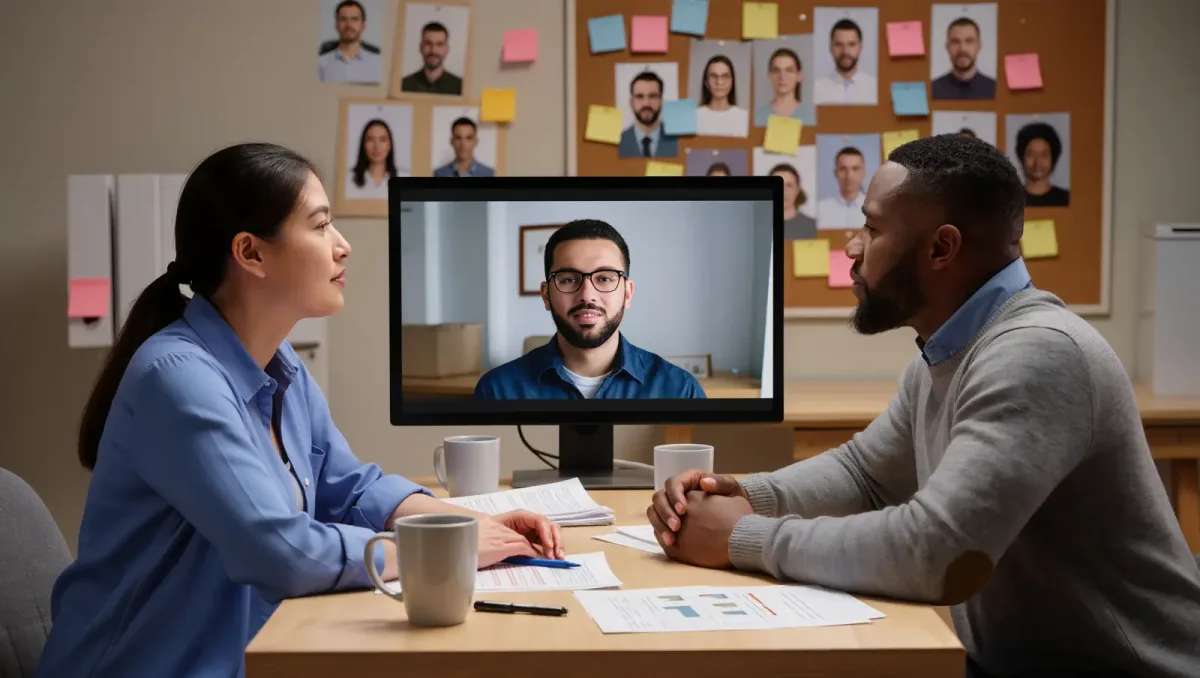
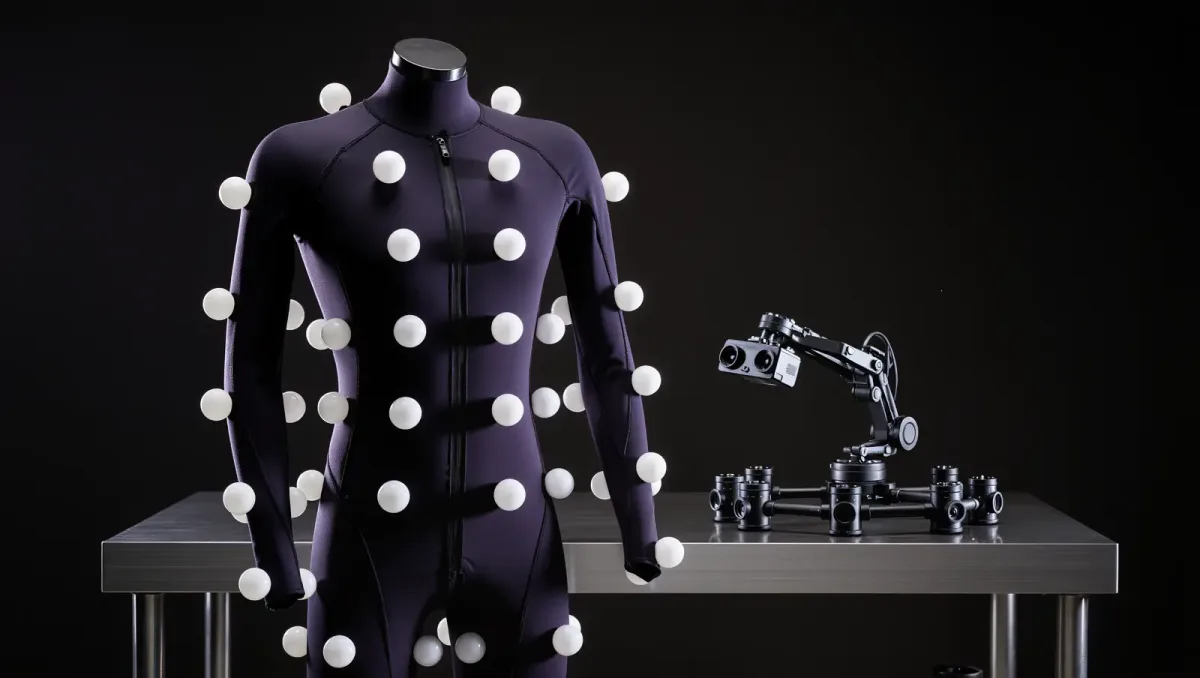
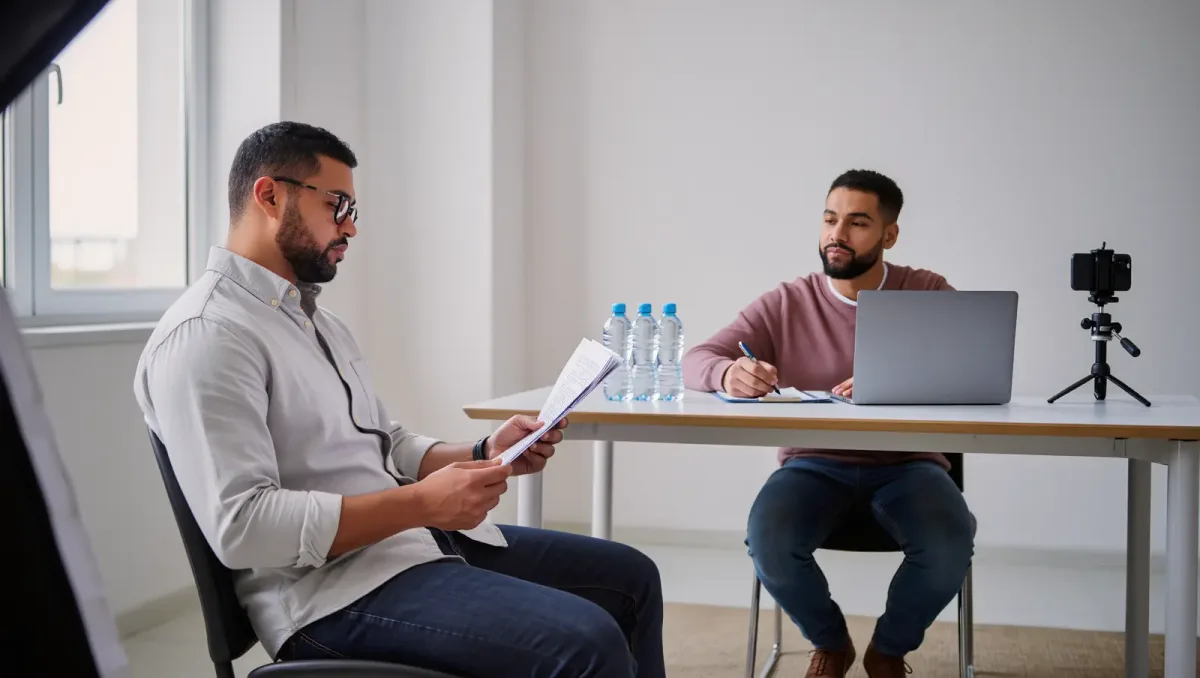
Voice casting leans on demos and shortlisted live auditions rather than headshots, and type is sonic: age, texture and read style. Animation casting frequently tests chemistry by pairing finalists in a live room. Game publishers cast for performance capture and voice together more often, since the lead roles now record both. Dubbing work casts to match an existing performance, a distinct skill of timing and lip-sync discipline.
What changed for voice performers recently?
Consent over synthetic voices became the defining issue. SAG-AFTRA's 2023 Interactive Media Agreement added informed-consent and compensation requirements around digital voice replicas in games, and the union's 2024 negotiations with major recording studios put AI protections for voice and digital replicas at the center of the deal. The pattern is now standard contract language: cloning a performer's voice requires permission and payment.
What is next in voice work?
The dubbing slate keeps expanding as streamers localize global titles for US audiences, and game productions staffing 2026-2027 releases are running casting calls now. For newcomers, the order of operations stays the same: train the read, build the booth, cut a niche demo, then chase the auditions — the market pays per session, and sessions come to consistent, bookable sounds.
What does the audition economy look like?
High-volume and fast. Commercial auditions arrive through agents and industry platforms daily, with turnaround often under 24 hours, and producers shortlist from dozens of reads before any live callback. Working voice actors describe audition-to-booking ratios of dozens to one even at established levels, which is why the economics reward process: fast, clean self-direction, a reliable booth, and read choices that differ enough between takes to give the producer options. The genre tiers behave differently too — animation callbacks are live and director-driven, audiobook offers often come off a sample read of the actual manuscript, and dubbing casts through match-tests against the original performance. Consistency of turnaround, working performers report, books more work than any single spectacular read.