Thousands of features submit to the major US festivals every year, and each of the top-tier festivals programs only around a hundred of them — Sundance's feature selection has hovered near one percent of submissions in recent cycles, per the festival's own announced statistics, which makes the premiere decision the single highest-stakes choice an independent producer makes. Pick the wrong slot and a finished film can sit unsold for a year. This piece publishes information, not advice.
Why is the premiere so valuable?
Most A-list festivals require world or international premiere status: the film must not have screened publicly in its territory before. That exclusivity is the product — press, buyers and programmers treat a first screening as an event. Once a film premieres, the clock runs: press coverage spikes, sales agents field buyer inquiries, and distribution offers concentrate in the days around the screening. Miss that window and subsequent festivals offer less visibility, because the press cycle has already spent itself.
What is the festival calendar logic?
The year runs in waves. Sundance in January and SXSW in March launch US indies and set the acquisitions tone for the year; Tribeca in June carries New York premieres; fall belongs to the prestige circuit — Venice, Telluride, Toronto in September, where awards-season titles premiere, then New York and the fall documentary circuit. A producer targets the wave matching the film's commercial weight: a star-driven drama aims at the fall tier, a debut feature at Sundance or SXSW, a genre film at the genre-strong events like Fantastic Fest. Mid-tier regional festivals serve as proof-of-audience stops for films building a theatrical booking case.
What do sales agents want before submitting?
A completed film, cleared music and chain of title, a press kit, and a realistic budget history. Sales agents take films they can sell — a cast with identifiable territories, a genre with precedent — and they decide which festivals to target with the producer, because their market relationships drive buyer attendance. Films without sales representation can still premiere; self-distribution after a festival is now a documented path, with platform releases and streamer acquisitions negotiated directly off strong festival reception.
What actually happens in a festival market?
Besides the screenings, the market floor runs on meetings: sales agents screen footage for territorial buyers, distributors scout acquisition targets, and international co-production markets — the co-production forums attached to events like Berlin — match projects to financing partners. An acquisition deal sparked by a festival premiere typically closes within weeks: an advance against distribution rights, a defined release commitment, and a marketing spend the distributor controls.
Does a festival run pay for itself?
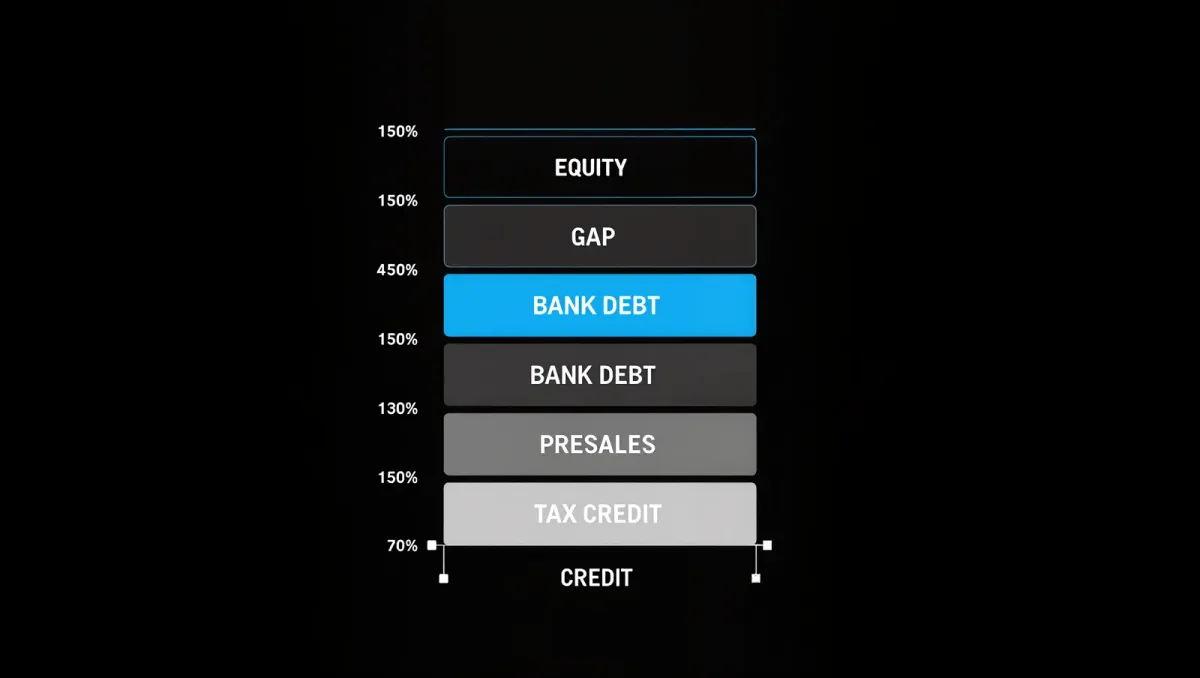
Rarely in direct revenue — most festivals pay modest or no screening fees. The return is structured: sales value, press that lowers the marketing cost of release, and eligibility carrots like qualifying runs for guild and Academy consideration, where a festival-adjacent theatrical engagement can be part of an awards qualifying path. Producers budget festival travel and DCP deliverables as marketing spend, not profit centers.
What is next on the circuit?
The summer submission cycle is open: fall-festival programmers are finalizing September lineups from films finishing post now, and January 2027 premiere slots will lock during the fall. For filmmakers, the rule that survives every cycle: one premiere, chosen deliberately, with a sales plan already packed before the lights go down.
How should a filmmaker read an acceptance?
By slot, not just by festival. Within any given festival, the section and screening slot are the market signal: a Competition or spotlight section with a prime weekend screening draws buyers and press, while a late-week daytime slot in a secondary section can pass unnoticed even at a marquee event. Agents advise producers to negotiate program placement into acceptance conversations where possible, and to schedule their own sales outreach against the confirmed screening calendar. The premiere also starts a contractual clock: distribution offers expire, exclusivity windows in sales agreements begin, and the film's press embargo lifts on a schedule the producer must staff — publicists booked months ahead, Q&A rehearsal for the director, and a deliverables package ready before travel.