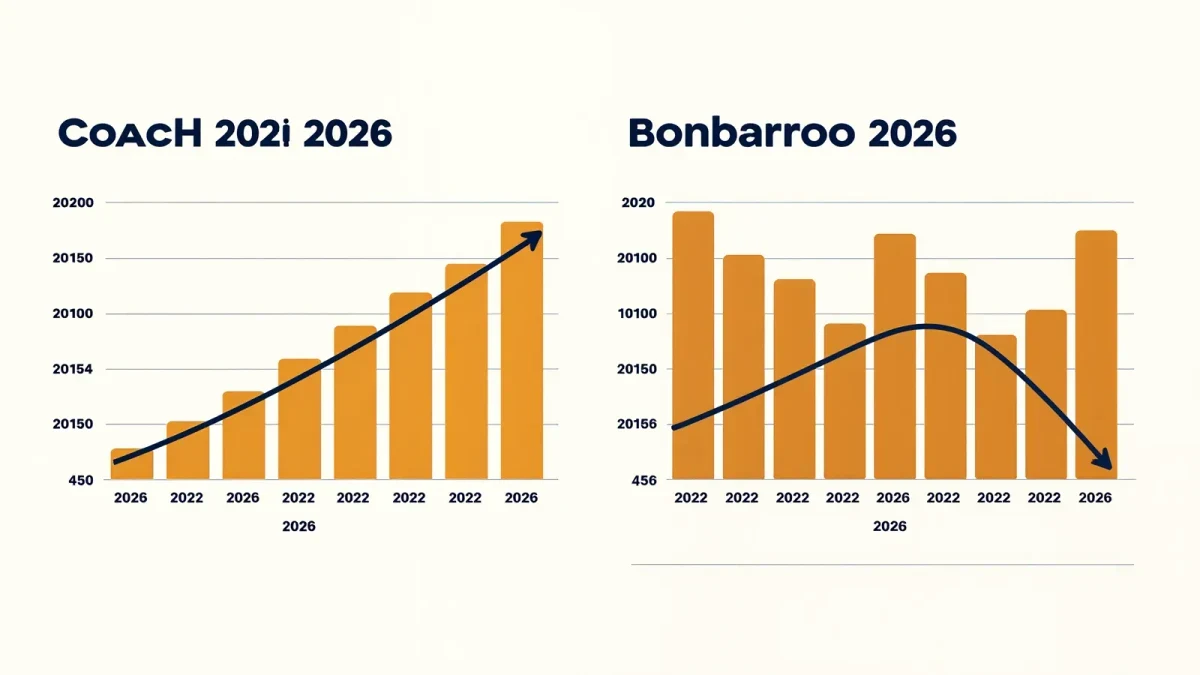
How far in advance is a festival headline slot actually booked? Commonly nine to twelve months, and sometimes longer. Coachella books toward a capacity of roughly 125,000 people per day; Glastonbury holds about 210,000 — which is why the site at Worthy Farm takes a planned fallow year, including 2026, to recover, per the BBC's reporting on the festival's schedule. Events at that scale cannot wait for availability to appear: they build offers, deposits and contracts almost a year out, and the poster fans screenshot in spring is the output of a negotiation process that started the previous summer.
This is industry reporting, not business or legal advice. Standard figures below are trade-reported ranges as of 2025.
What is the booking chain?
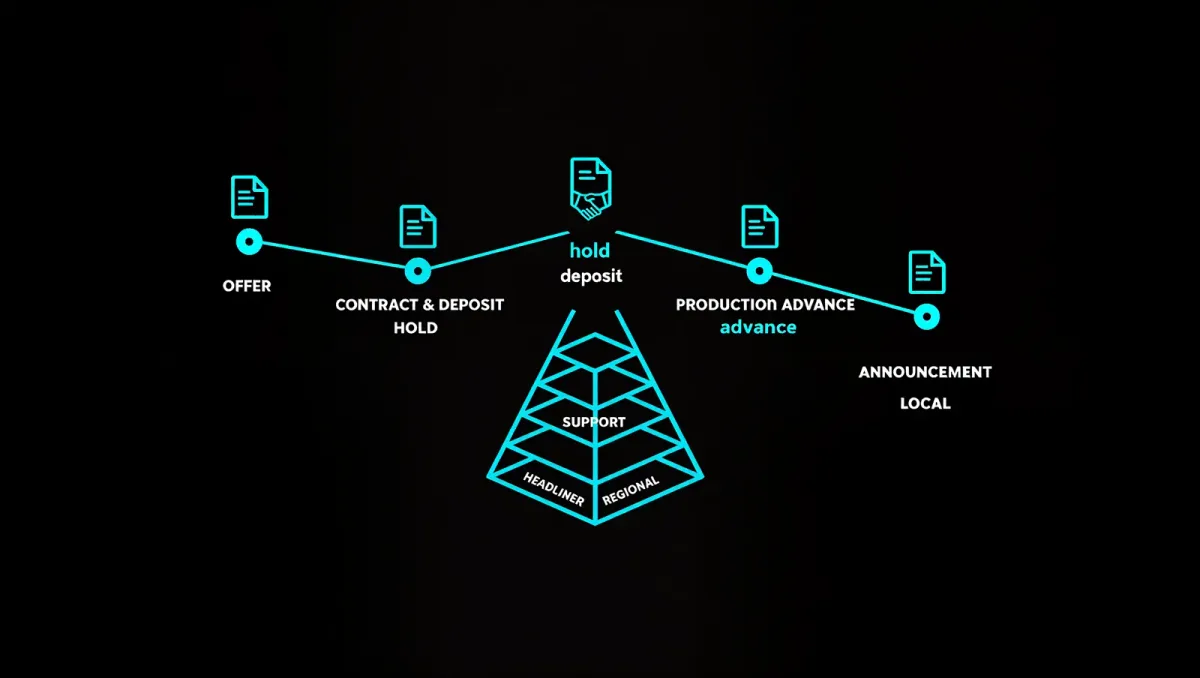
The process runs through four documents. First the offer: a festival sends the artist's agent a written proposal with fee, slot, stage and date — offers for mid-billing slots circulate many months before announcement. Second the hold: agents place tentative holds on artists' calendars for offers under consideration, and festivals stack alternatives in case a hold falls through. Third the contract: once the artist accepts, a deal memo converts the offer into a commitment with a deposit, and standard practice across live trade reporting is a deposit of roughly 50 percent on signing, with the balance due near showtime. Fourth the technical rider and advance: months later, production teams reconcile power, staging, sound and hospitality requirements against what the site can actually deliver.
Does poster position equal pay?
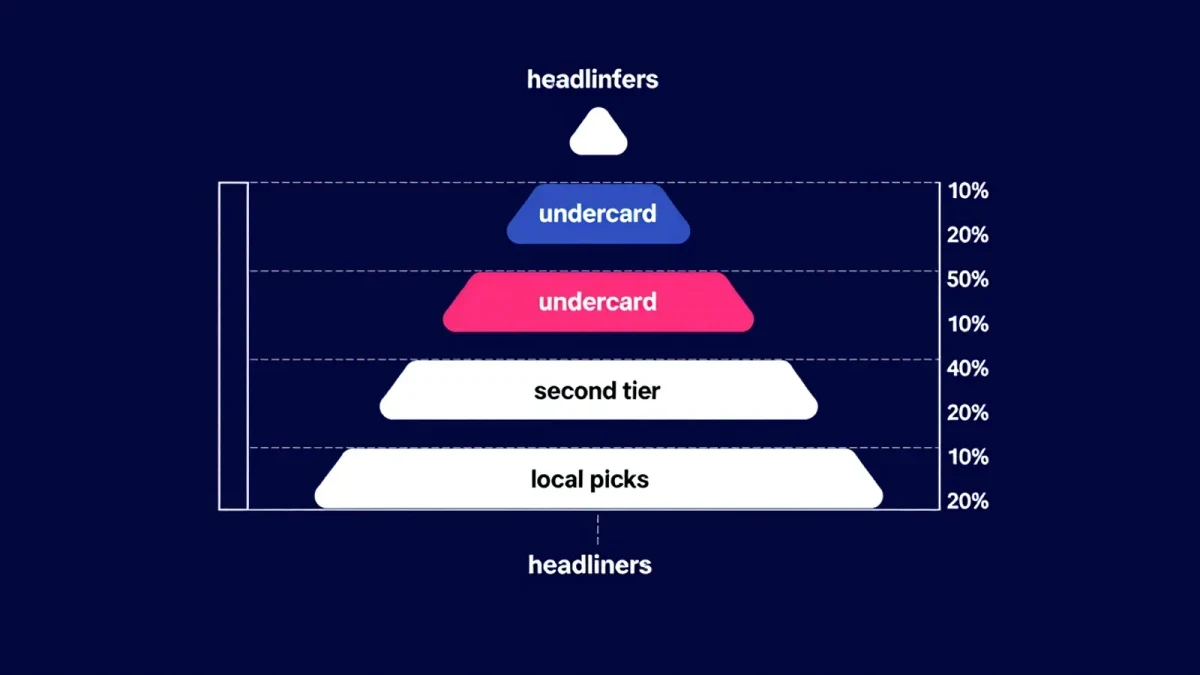
Not exactly, but the correlation is strong and the industry treats poster size as quasi-contractual. Headliners — the names at largest font — command fees that trade reporting has placed anywhere from low seven figures at US mega-festivals to fractions of that at regional events, with sub-heads and mid-bill slots declining steeply down the bill. But billing also reflects label campaigns: a band with an album dropping around festival season can be positioned above acts earning more, because the slot is a marketing placement as much as a payment. Curated slots — a headliner's hand-picked opener, a label showcase stage — trade exposure rather than cash, and emerging acts sometimes play for expenses plus visibility, a practice artist unions and advocacy groups have repeatedly criticized.
How do festivals choose from thousands of acts?
A layered funnel. The headliner tier is business intelligence: who is touring, who has an album cycle, who has chart momentum in the festival's region, and — critically — who is not already contracted to a competing festival within a geographic radius. Most festival deals include radius clauses restricting nearby performances for a set window, a practice that has drawn regulatory scrutiny in some markets but remains standard. The mid-bill is a mix of agents pushing touring acts and festival bookers chasing verticals — electronic stages, hip-hop bills, country crossovers — each built by a specialist booker. The bottom lines come from an open application process, showcase partnerships and local scene scouting; major US festivals field thousands of applications for a handful of slots, and application-plus-playlist-review is how most unsigned acts get in the door.
What does the money flow look like?
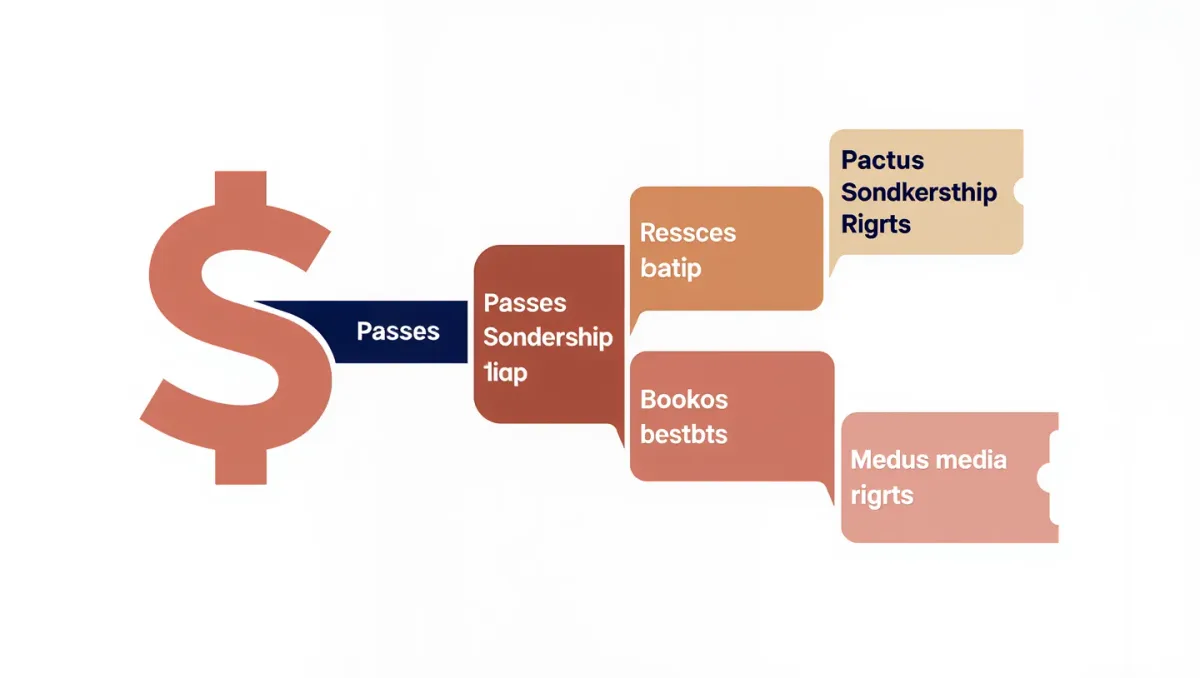
A festival's booking budget is a bet on presales. Tickets go on sale months before most acts are announced, so early bird sales fund the headliner deposits; if sales lag, the middle of the bill gets cheaper, a mechanism visible in several lineup reductions trade press documented during the 2024-2025 festival season when a wave of cancellations hit mid-size events. Rising costs — artist fees inflated by touring overheads, insurance, security and infrastructure — squeezed margins on events without sponsorship depth, and the market consolidated around the strongest brands. For artists, the practical consequence is that festival fees are negotiable at the edges but locked by the time of announcement: renegotiation happens in the offer phase, not the press release.
Why do lineups look so similar across festivals?
Because they share inputs. The same agents represent the same touring acts, tour routing determines which festivals an artist can physically reach in a season, and label release calendars concentrate album campaigns into spring. A mid-tier artist playing the European festival corridor — the circuit of events between June and August — is routing-bound, and festivals book the acts whose routing fits. That, more than any lack of imagination, is why the same twenty names anchor posters across a continent in the same summer: geography and contracts, not taste, drew the map.
What happens when a booking falls apart?
Contingency is a permanent department. Headline withdrawals for illness, visa delays or scheduling conflicts are common enough that festivals hold substitute acts and can restructure billing at short notice — trade press has documented posters revised within days of announcement more than once. Weather adds its own layer: lightning holds, evacuation plans and insurance riders for cancelled days became formal line items after several high-profile weather shutdowns in the early 2020s. The artist side has contingencies too: agents hold overlapping festival holds through the spring negotiation window precisely because the first confirmed offer cancels the rest, and a late drop can trigger a chain of rebookings across an entire region's calendar.
What is next for festival booking?
The pressure points for the 2026-2027 cycles are capacity economics and scheduling law. Watch for more events following the fallow-year logic — trading a year of revenue for sustainability of site and brand — and for continued fights over radius clauses and fairness codes for emerging acts. For artists, the entry advice from every booker trade panel repeats: build the draw in clubs first, keep routing data clean with your agent, and treat the application form with the seriousness of an A&R submission, because at the bottom of the bill, that is exactly what it is.