How does a battle produce a winner without a scoreboard everyone can see? The answer is structure. Street-dance battles — in breaking, hip-hop, house, waacking, krump and the rest — run on formats refined over five decades: rounds traded under a clock, judged by a small panel of practitioners, hosted by an MC whose voice is part of the event's architecture. The Olympic era added codified judging systems like Trivium to the largest stage, but the independent battle economy — jams, anniversaries, club nights — still runs on the formats described here, and knowing them is the difference between watching the event and reading it.
This is culture reporting; formats reflect documented practice across the street-dance scene as of 2025.
What are the core battle formats?
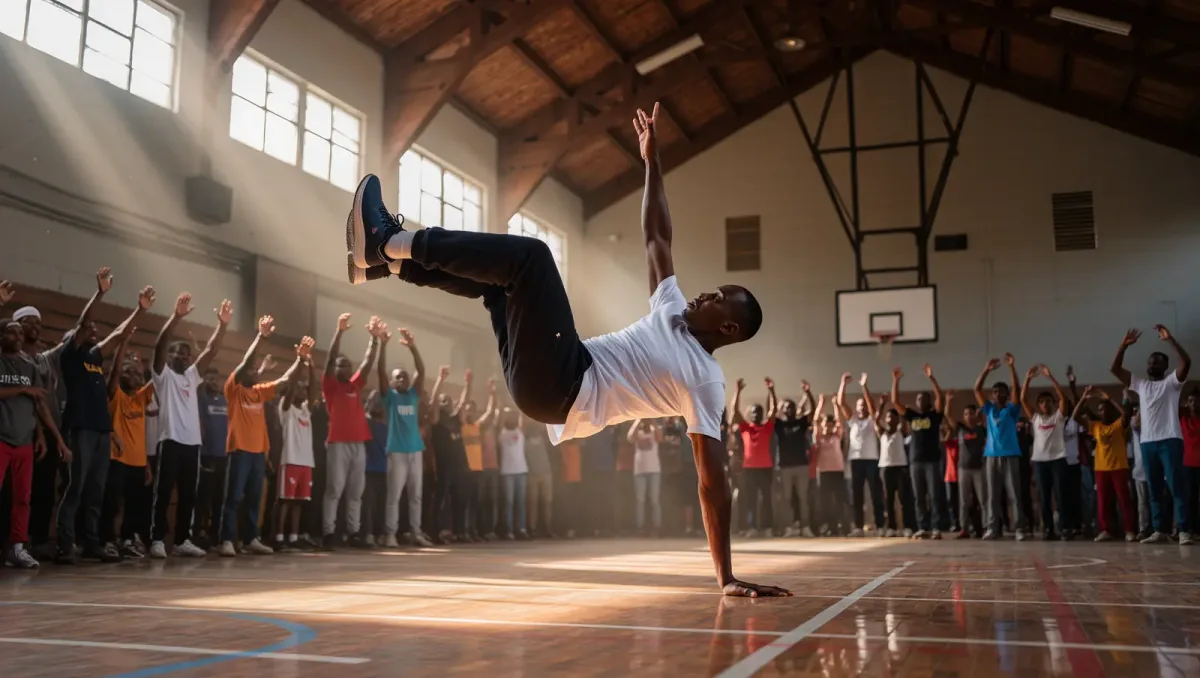
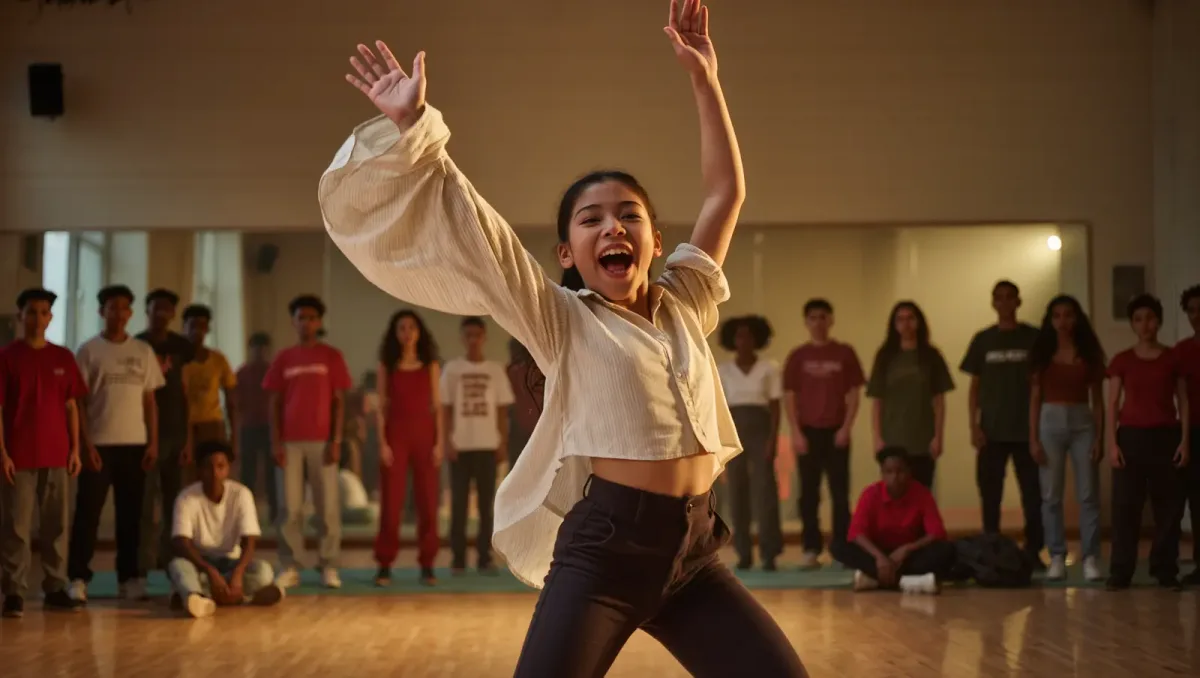
The 1v1 is the canonical unit: two dancers, alternating rounds — typically 30 to 60 seconds each — for a set number of rounds, most commonly a best-of-three where a dancer must win two. Judges vote per round, usually by pointing simultaneously to prevent bandwagon calls. The 2v2 adds coordination: partners alternate or co-balance rounds, and chemistry becomes a judged criterion. Crew battles scale the form — anything from 3v3 to 8v8 — with team captains deploying dancers strategically across rounds, and events like Battle of the Year, running since 1990, built their reputation on full crew shows judged alongside battle rounds. The 7-to-smoke format is the endurance test: seven dancers, one circle, each round win advancing the winner until someone accumulates seven points — it rewards depth of vocabulary and recovery between rounds. The call-out format removes the bracket entirely: dancers challenge each other directly, a mechanism that preserves the form's competitive honesty and settles scores the bracket missed.
Who judges, and what are they judging?
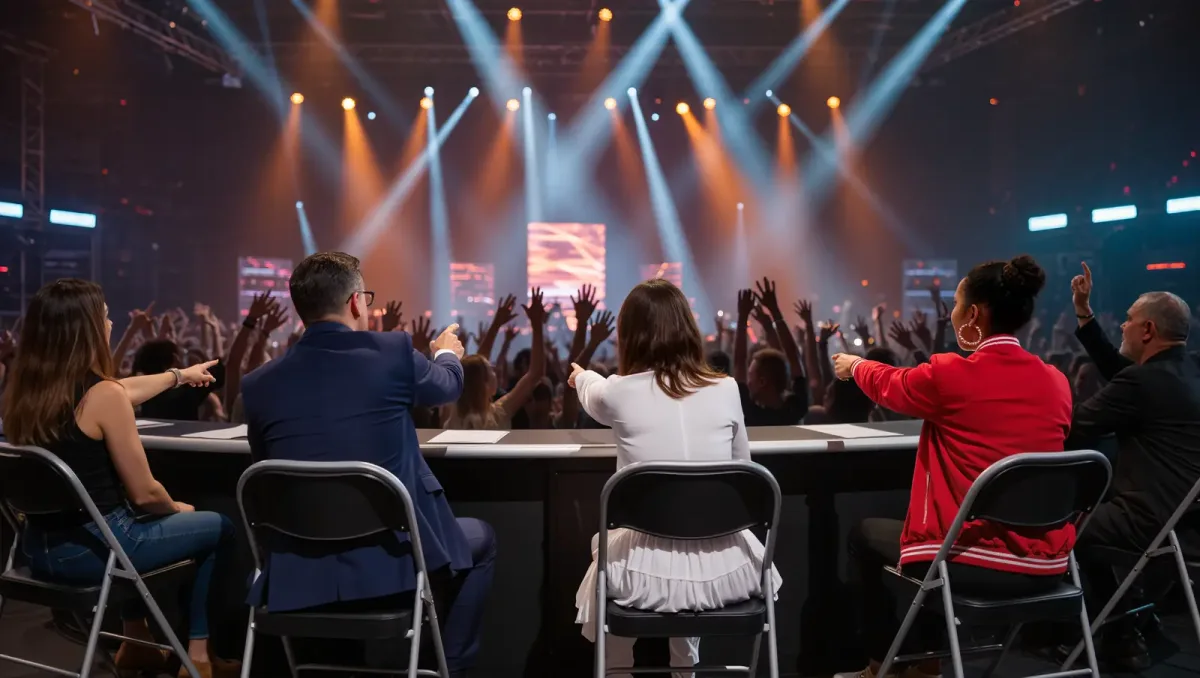
Panels typically seat three to five judges — respected practitioners, often pioneers or current competitors with documented records. Scene practice favors judges who know the style's foundations: in breaking, the vocabulary of top rock, footwork, freezes and power moves; in waacking, the armwork and disco-era posing; in house, footwork and the floor's conversational timing. Across styles, judges weigh a consistent set: foundation — how deeply the vocabulary is known; musicality — whether the dance is in dialogue with the DJ's records rather than on top of them; execution — control at speed; originality — vocabulary that is the dancer's own; and response — how a round answers the opponent's, which is why battles are conversations and not showcases. Voting is public — the raised hand or pointed finger — and ties resolve in extra rounds, sometimes with the crowd's volume acknowledged by judges as a tiebreak of last resort.
What does the MC actually do?
The MC is the event's rhythm section. Beyond announcing, a battle MC builds the room's energy, calls rounds in and out of the music, translates the action for the audience, and manages the social temperature — defusing tension after heated rounds, staging the hyped matchups, and giving newcomers their moment at the mic. The role is a trained craft with its own stars in every scene, and event organizers treat the MC as production infrastructure on par with the DJ: a battle's pacing lives in the MC's hands, and a great MC keeps both the clock and the crowd honest.
How do qualifiers and brackets scale the scene?
The circuit's structure feeds its biggest events. Local jams run cyphers and open brackets; national qualifiers feed international finals, the model Red Bull BC One institutionalized for solo breaking since 2003 — regional cyphers advancing dancers to a world final bracket. Events publish judging criteria in advance for major competitions, seed brackets to keep strong dancers apart early, and increasingly post results with judge votes documented, a transparency shift that accelerated after the Olympic era's scrutiny. Prize money has grown with the audience, but the scene's economy still runs on more than checks: travel crews, workshop slots at the same event, and the reputation arithmetic that decides who gets invited back.
How do DJs shape the battle?
The DJ is a judged variable too. Battle DJs build sets that give dancers something to converse with — breaks with clear structure, tempo swings that test adaptability, records chosen for the room and the round. Scenes have their canon: breaking battles run on classic breaks and funk 45s, house battles on soulful four-to-the-floor, waacking on disco with dramatic string lines and vocal moments. A great battle DJ reads the bracket like a card shark — saving the hardest record for the final, adjusting tempo after a long evening — and dancers train for the DJ as much as the opponent, practicing to varied tempos and structures so the draw of the record never decides the battle. When dancer and DJ lock, the round everyone remembers happens; veterans describe it as the form's whole point.
What etiquette governs the floor?
The form's unwritten rules are consistent across styles. Respect the opponent's round: no dancing over it, no turning your back — attention is the currency. Enter the cypher clean and acknowledge the room. Shake hands after, win or lose; a battle is a conversation with a verdict, not a feud. Challenges belong on the floor, handled through the MC and the format, not in comment sections. And the deepest rule, taught to every newcomer: the battle exists because the culture does — the judges, formats and trophies serve the dance, never the reverse.
What is next for battle culture?
Two currents define the moment: formalization and federation. Olympic-style judged competition brought standardized criteria, athlete pathways and broadcast production — plus the scene's ongoing negotiation over how much codification the form can absorb before the conversation-with-the-DJ gets optimized away. Meanwhile the independent economy keeps generating formats — themed events, mixed-style invitational battles, live-streamed championships with documented judge votes. The scene's through-line holds across both: the format is scaffolding, and the test of any battle event is whether the dancing on the floor would matter with nobody watching.