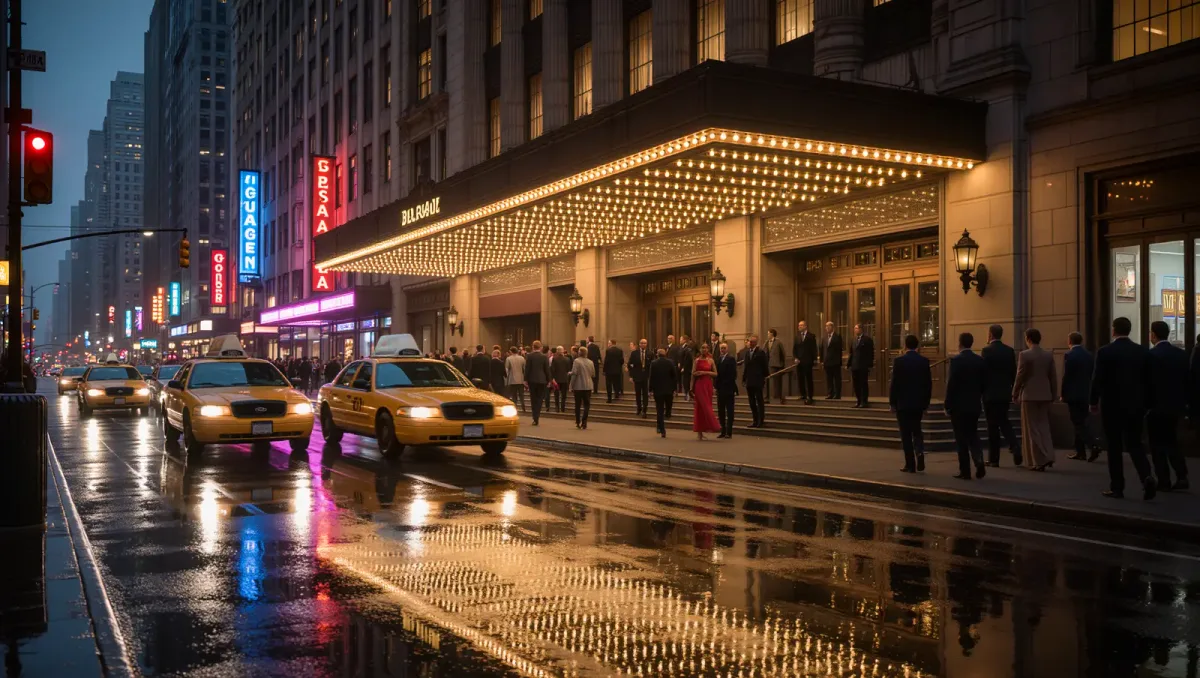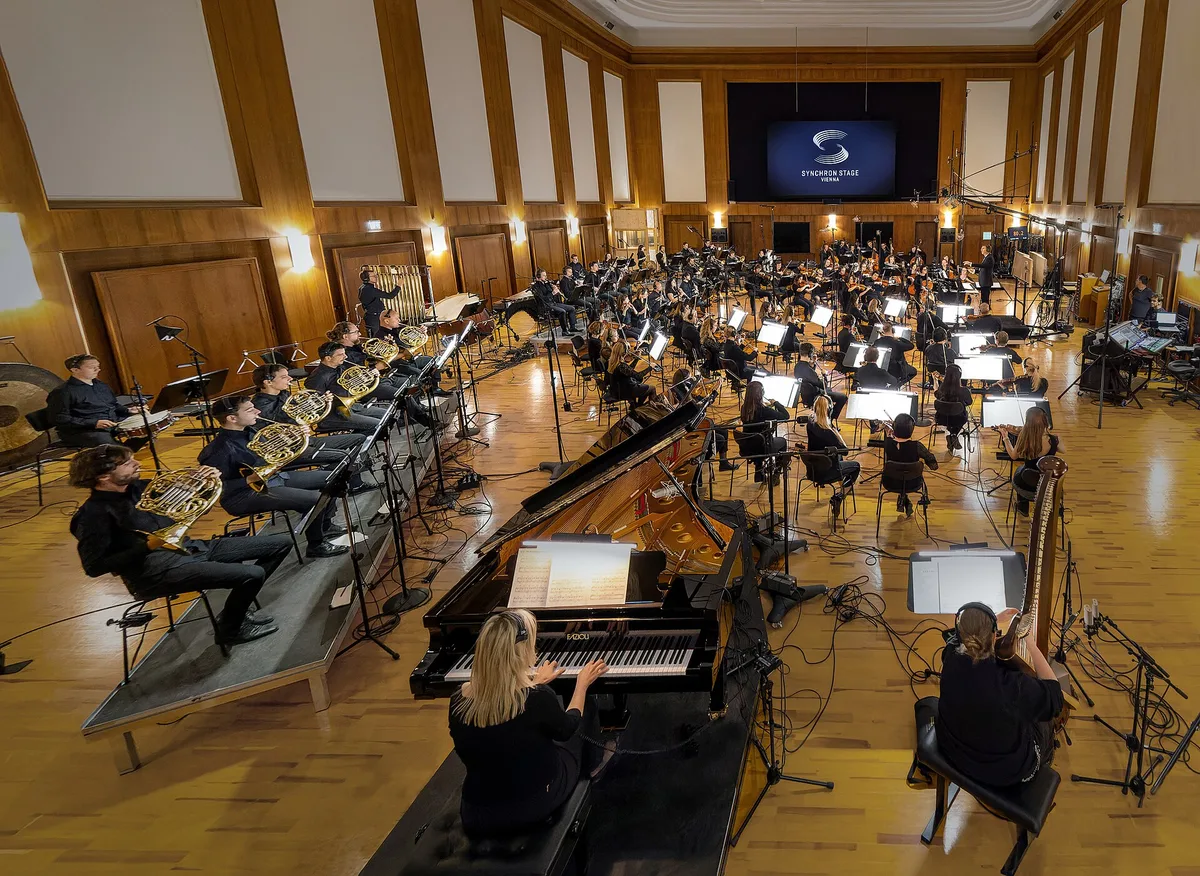
Live music and recorded tracks make a stage show feel complete. But every song you use belongs to someone. Music licensing is the licensed use of copyrighted music , and it exists to make sure the owners of works are paid for certain uses. A purchaser gets limited rights, and anything beyond them needs a separate agreement.
For a theater company, the rules touch almost everything. They cover the songs in a musical, the tracks between scenes, and even the playlist playing in the lobby. Here is how the system works, and what to sort out before opening night.
What a License Actually Grants
A license is the right, granted by the copyright holder or an agent, for the broadcast, recreation, or performance of a work. Payment comes in two common shapes. One is a flat fee for a defined period of usage. The other is royalty payments, set by the number of copies sold or the total revenues the distribution brings in. Most agreements add one more clause. Extra payments fall due when the work they appear in, such as a play, becomes financially successful above a certain threshold.
Performance Rights and Who Watches Them
In licensing terms, a performance is any public performance of a musical piece. It counts whether it is live or recorded, whether the original artist performs it or someone else does, and whether it keeps to the original version or is adapted. Playing a disc in public is performing the work.
Public performance rights sit with large organizations that hold rights for copyrighted musical works. The best known are ASCAP, BMI, and SESAC in the United States, plus PRS for Music in the United Kingdom. They license public performance on a nonexclusive basis and share fees with rights holders through a weighting formula. Per the standard reference overview, these groups sample broadcasts, offer blanket licenses, and investigate complaints to detect unauthorized performances. ASCAP and BMI even hire field agents to monitor public performances. Legal claims are filed often against bars, bookstores, and live music venues that play music without a performance license first.
Who Owns the Work, and How Creators Get Paid
A copyright owner holds five exclusive rights: reproduction, preparing derivative works, distributing copies to the public, performing the work publicly, and displaying it in public. In the United States, works created in 1977 and after are protected once they are fixed in a tangible medium of expression, with no registration needed. A work must be registered before an owner can sue for infringement, though.
The owner of a copyrighted work is called the publisher for copyright purposes. It is now standard practice for songwriters of even the slightest prominence to form a publishing company to hold the rights to their work. Some catalogs offer royalty free music as well. In those deals, the owner waives royalties in exchange for an upfront payment, or gives them up entirely.
Licenses for Film, Video and Media Uses
Two more license types matter when a production touches a camera. Synchronization licensing covers musical works paired with moving pictures in a film, television program, or video. Master use licensing covers the recording itself when it plays as a soundtrack, bumper, lead-in, or background. There is also pre-cleared music, covered under a prior agreement for use in film, video, television, live venues, and multimedia productions. A narrow copyright exception lets many businesses play radio or television on their premises without a fee. A staged show before a paying crowd does not fall into that safe zone. For related coverage, see How to Submit Your Music to Major Film and TV Festivals.
Steps to Take Before Opening Night
Start by listing every use of music in the show, from the overture to the exit music. Track down who controls each song, then request written permission rather than assuming it. Budget for the fee shape you agree to, and remember the success clause. If the run does well, extra payments may be due. Keep copies of every agreement where the whole production team can find them. If a term looks unclear, ask the licensor to spell it out in writing before anyone signs. We covered a connected angle in Tabloids vs. Trade Papers: Who Covers Entertainment Better?.
Conclusion: Clear Rights Make Calmer Runs
Music licensing is not a hurdle built to slow theaters down. It is the system that keeps the people who write songs in business, so the songs keep existing. Map your uses, secure the rights early, and keep the paperwork tidy. Then the only suspense on opening night will be on the stage.